
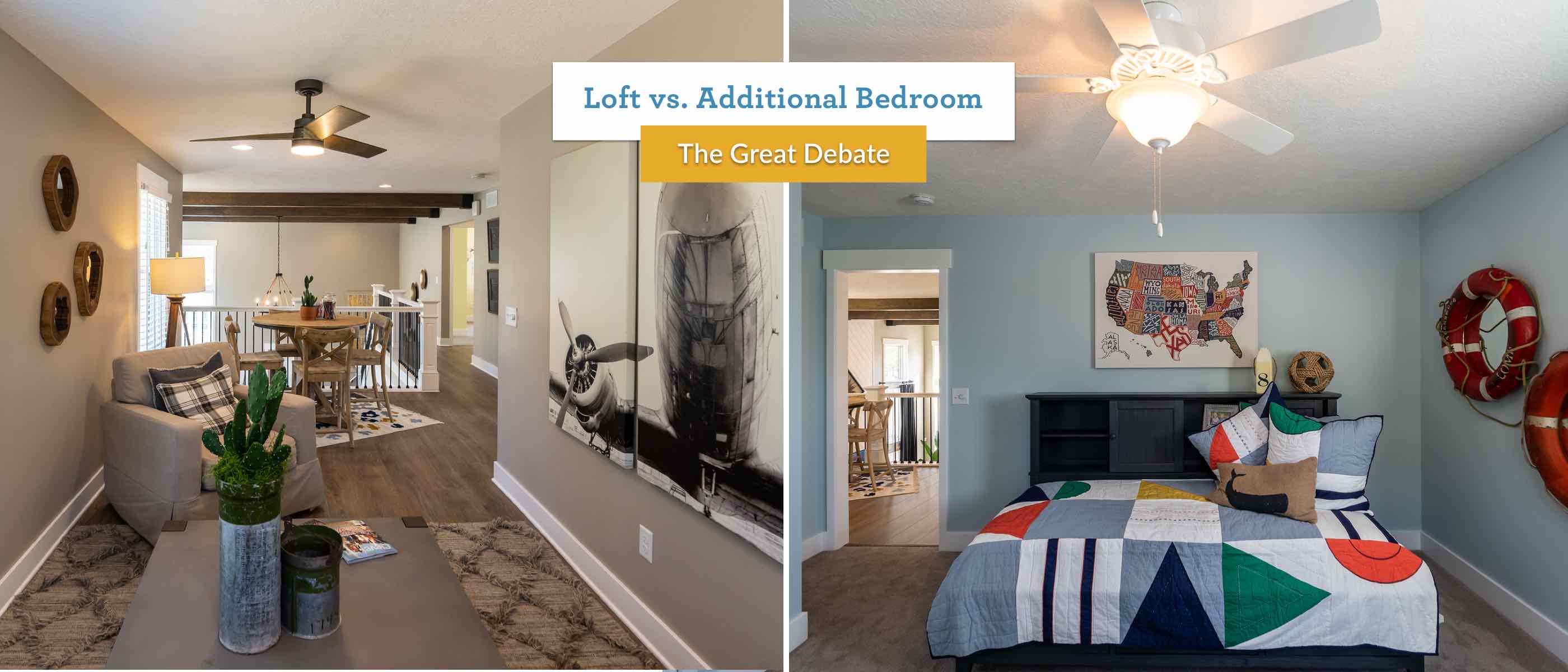
Image Source: waynehomes.com
Can A Loft Be Considered A Bedroom? The Truth
Yes, a loft can be considered a bedroom, but only if it meets specific legal and safety requirements. Whether your loft space can legally be called a bedroom depends heavily on local building codes and regulations, which vary significantly by region. Generally, to qualify as a habitable room, and by extension a bedroom, a loft must have adequate headroom, natural light, ventilation, and safe access.
Many homeowners dream of transforming their unused attic or loft space into an extra bedroom. It’s a fantastic way to add value and living space to your home without the expense of a ground-floor extension. However, the journey from a dusty, forgotten space to a comfortable loft sleeping space is not always straightforward. The critical question most people face is: can this converted loft truly be called a bedroom, both by definition and by law? The answer is a nuanced one, hinging entirely on adherence to building regulations and safety standards. This article will delve deep into what makes a loft a legally recognized bedroom, covering everything from essential dimensions to fire safety, and what you need to know before embarking on such a project.
Deciphering Loft Conversion Bedroom Regulations
Converting a loft into a bedroom is a popular home improvement project, but it comes with a strict set of rules. These loft conversion bedroom regulations are in place to ensure the safety and habitability of the space. Failing to comply can lead to serious issues, including refusal of planning permission, inability to sell your property, and potential fines.
Key Requirements for a Habitable Loft Space
For your loft conversion to be classified as a habitable loft space, and therefore a potential bedroom, several key criteria must be met. These are not mere suggestions; they are the pillars upon which the legality and safety of your new room are built.
- Headroom: This is arguably the most crucial factor. Building codes typically specify a minimum ceiling height. For a habitable room, this is often around 2.1 to 2.3 meters (7 to 7.5 feet). Crucially, this height needs to be consistent across a significant portion of the room, not just a small central point. Sloping ceilings can be accommodated, but there must be a usable area with sufficient headroom for comfortable living and, importantly, safe egress.
- Access: Safe and easy access is paramount. A standard pull-down ladder is usually not sufficient for a bedroom. You’ll typically need a proper staircase, which requires adequate space and may involve altering existing room layouts on the floor below. The stairs must meet specific gradient, tread depth, and riser height requirements.
- Fire Safety: This is a non-negotiable aspect. Loft conversions often require upgrades to fire safety systems. This can include:
- Installing fire doors throughout the property, particularly on the route to the escape.
- Ensuring smoke alarms are interconnected and placed on each level of the dwelling, including the new loft room.
- Meeting fire resistance standards for structural elements and materials.
- Providing a protected escape route from the loft room to the outside.
- Natural Light and Ventilation: A habitable room needs adequate natural light and ventilation. This usually means incorporating windows that meet specific size and opening requirements. The window should be able to provide sufficient light and air, and in many cases, it must also serve as an emergency escape route.
- Insulation and Heating: The loft needs to be properly insulated to ensure it’s comfortable year-round and to meet energy efficiency standards. A reliable heating source is also necessary to make it a truly habitable space.
- Floor Strength: The existing floor joists in the loft may not be strong enough to support the added weight of a bedroom, including furniture and people. Often, these joists need to be strengthened or new ones added.
Loft Room Building Codes: A Closer Look
The specifics of loft room building codes will depend on your local authority. These codes are derived from national building regulations. It’s essential to consult with your local council’s building control department early in the planning process. They can provide detailed guidance specific to your area and project.
Essential Structural Considerations
- Floor Joists: Often, existing loft joists are designed only to support the ceiling of the room below and occasional attic storage. For a habitable room, these will likely need to be reinforced or replaced with new, stronger timbers to support the increased load.
- Roof Structure: The roof structure itself might need modifications to accommodate windows (dormers or rooflights) and to ensure structural integrity after any alterations.
- Waterproofing and Weatherproofing: Ensuring the roof remains watertight after the installation of windows or dormers is crucial.
Ventilation and Light Requirements
- Window Size: Regulations typically specify a minimum window area relative to the floor area of the room. For example, a certain percentage of the floor area might need to be glazed.
- Openable Area: The window must also have an openable section large enough to allow for adequate ventilation and, crucially, for a person to escape in an emergency.
Can a Loft Be a Primary Bedroom?
The question of whether a loft can serve as a loft as primary bedroom is often asked by homeowners looking to maximize their living space. While technically possible if all regulations are met, there are practical and legal considerations.
Practicalities of a Loft as a Primary Bedroom
- Access: As mentioned, a safe and convenient staircase is vital for a primary bedroom. If the access is difficult or takes up too much space in the main living areas, it might not be a practical primary sleeping area.
- Privacy and Noise: Lofts can sometimes be noisier due to their proximity to the roof. Proper insulation is key here. Privacy is also important; ensuring the room feels like a true sanctuary.
- Ensuite Facilities: Many primary bedrooms feature an ensuite bathroom. Adding plumbing to a loft can be complex and costly, requiring careful planning to avoid structural issues and ensure adequate water pressure.
Legal Standing of a Loft as a Primary Bedroom
Legally, if the loft conversion meets all building code requirements for a habitable room, it can absolutely function as a primary bedroom. However, for official purposes, such as mortgage valuations or property listings, it will only be recognized as such if it has passed building control inspections and received the necessary certifications. If the loft room doesn’t meet the full criteria (e.g., reduced headroom in some areas, or access via a ladder), it might be classified as “occasional use” or “storage” and not a legal bedroom.
The Nuances of Loft Sleeping Area Legalities
When considering a loft sleeping area legal, it’s about more than just having a bed up there. The law is focused on safety and habitability for regular occupation.
What Defines a Loft Sleeping Area Legal?
A loft sleeping area legal status is achieved when the space meets the same standards as any other bedroom in the house regarding fire safety, means of escape, headroom, and ventilation. If these standards are not met, it might be considered an informal sleeping area but not a legally compliant bedroom.
- Escape Routes: This is paramount. Every habitable room needs a safe escape route. For a loft bedroom, this typically means a window that can be opened and is large enough for escape, or a protected staircase leading to an exit.
- Fire Doors: Depending on the layout and the number of storeys, fire doors may be required on all rooms leading to the escape route.
Attic Bedroom Criteria: More Than Just a Bed
When thinking about attic bedroom criteria, it’s vital to remember that the focus is on the room’s overall suitability for habitation, not just the presence of a bed.
- Headroom Distribution: It’s not enough to have 2.1 meters of headroom in the very center. Building regulations often specify that a certain percentage of the floor area must have at least this minimum height. Areas with less headroom might be usable for storage or low furniture but cannot contribute to the overall habitable floor area for bedroom classification.
- Natural Light: The amount of natural light is important for health and well-being. The size and placement of windows are regulated to ensure sufficient daylight.
- Artificial Lighting: While natural light is key, adequate artificial lighting is also a requirement for a functional bedroom.
Loft Conversion Bedroom Regulations: A Checklist
To ensure your loft conversion meets the necessary loft conversion bedroom regulations, consider this checklist:
Essential Compliance Points
- Building Regulations Approval: Obtain approval from your local building control department before starting work. They will inspect the project at various stages.
- Structural Integrity: Ensure all structural work, such as strengthening joists or altering roof timbers, is carried out by qualified professionals and meets building codes.
- Fire Safety Measures:
- Interlinked smoke alarms on all floors.
- Fire doors where specified by regulations.
- Protected escape route.
- Access: Install a proper staircase that complies with building regulations for pitch, width, and headroom.
- Headroom: Verify that the minimum headroom requirements are met across the majority of the habitable floor area.
- Ventilation & Light: Ensure windows provide adequate natural light and ventilation, and can serve as emergency escapes.
- Insulation: Comply with current thermal insulation standards for energy efficiency.
- Plumbing (if applicable): If adding an ensuite, ensure all plumbing work complies with water regulations and building codes.
Mezzanine Bedroom Standards: Similarities and Differences
A mezzanine bedroom standards can overlap with loft conversions, but a mezzanine is typically a raised platform within a larger room, often with an open-plan feel.
Key Features of Mezzanine Bedrooms
- Open Plan: Mezzanines are often open to the space below, which can impact privacy and noise levels.
- Access: Access is usually via a fixed staircase, but the headroom above the mezzanine itself is a critical factor.
- Headroom: While the overall room might have high ceilings, the mezzanine sleeping area will have its own headroom requirements, often less stringent than a fully enclosed loft room but still needing to be adequate for comfortable use.
- Building Regulations: Similar to lofts, mezzanine floors must meet structural and safety regulations, especially if they are intended for regular sleeping accommodation.
Loft Dwelling Sleeping Accommodation: Beyond the Basics
Creating loft dwelling sleeping accommodation involves careful planning to ensure it’s not just a place to put a bed, but a safe and comfortable living space.
Factors for Successful Loft Sleeping Accommodation
- Natural Light Maximization: Utilize skylights or dormer windows to bring in as much natural light as possible, making the space feel less confined.
- Effective Ventilation: Good ventilation is crucial to prevent condensation and maintain air quality.
- Acoustic Insulation: Consider soundproofing materials to reduce noise from rain on the roof or external sounds.
- Space-Saving Furniture: Opt for built-in storage and multi-functional furniture to make the most of the often-limited floor space.
What is a Habitable Room?
A habitable room is a room in a dwelling that is intended for regular occupation by people for living, sleeping, or working. It must meet specific minimum standards for space, light, ventilation, heating, and sanitation, as defined by building regulations. A loft conversion designed as a bedroom must therefore meet these same criteria to be considered habitable.
Loft Bed Requirements: More Than Just a Bed Frame
When discussing loft bed requirements, it’s important to distinguish between a simple bed frame placed in a loft and a legally recognized bedroom. The requirements are not about the bed itself, but about the room it is in.
Essential Room Requirements for a Loft Bed
- Adequate Headroom: Sufficient ceiling height all around the bed.
- Safe Egress: A clear and safe escape route from the room.
- Ventilation & Light: Proper airflow and natural light.
- Fire Safety: Compliance with fire safety regulations.
If these room requirements are not met, placing a bed in the loft might be permissible for occasional use (e.g., guest sleeping), but it cannot be legally marketed or considered a proper bedroom.
Frequently Asked Questions (FAQ)
Q1: Can I put a bedroom in my loft without planning permission?
A1: While some minor loft conversions might fall under “permitted development” and not require full planning permission, they always require building regulations approval. Building regulations are about structural safety, fire safety, and habitability, and are separate from planning permission. You absolutely need to consult your local building control.
Q2: What if my loft has less than 2.1 meters of headroom in some areas?
A2: If a significant portion of your loft has less than the minimum headroom, it may not be classified as a habitable room. However, areas with sufficient headroom can still be considered habitable. The building control officer will assess the usable floor area based on the headroom. You might be able to create a bedroom with restricted headroom in some zones, but it could limit its classification or use.
Q3: Do I need fire doors for a loft bedroom?
A3: This depends on your local building regulations and the overall layout of your home. Often, if the loft conversion creates a new storey, fire doors are required on the escape route, typically on the doors of rooms leading off the staircase that serves the loft, and potentially the door to the loft room itself. Your building control officer will provide specific guidance.
Q4: Can a loft conversion be used as an occasional guest room if it doesn’t meet full bedroom standards?
A4: Yes, a loft space that doesn’t meet the full legal criteria for a bedroom (e.g., lacks a proper staircase or has limited headroom) can still be used for occasional sleeping, like a guest room. However, it cannot be officially advertised or considered a legal bedroom for sale purposes, and you must still ensure basic safety measures are in place.
Q5: How do I find out the specific loft conversion bedroom regulations for my area?
A5: The best way is to contact your local council’s building control department. They have the most up-to-date and specific information regarding building regulations in your locality. Architects and reputable loft conversion specialists will also be knowledgeable about these requirements.
In conclusion, transforming a loft into a bedroom is a rewarding endeavor that can significantly enhance your home. However, it’s a process that demands meticulous attention to building regulations and safety standards. By prioritizing these aspects, from ensuring adequate headroom and safe access to implementing robust fire safety measures, you can successfully create a legally compliant and comfortable loft dwelling sleeping accommodation that adds lasting value and enjoyment to your home. Always engage with local authorities and qualified professionals to navigate the complexities and ensure your project is a safe and successful one.