
No, it is generally not safe to leave a space heater on when you are not home. While some modern units with advanced safety features might offer greater peace of mind, the inherent risks associated with unattended operation make it a practice best avoided. This is primarily due to the significant fire hazard they can present.
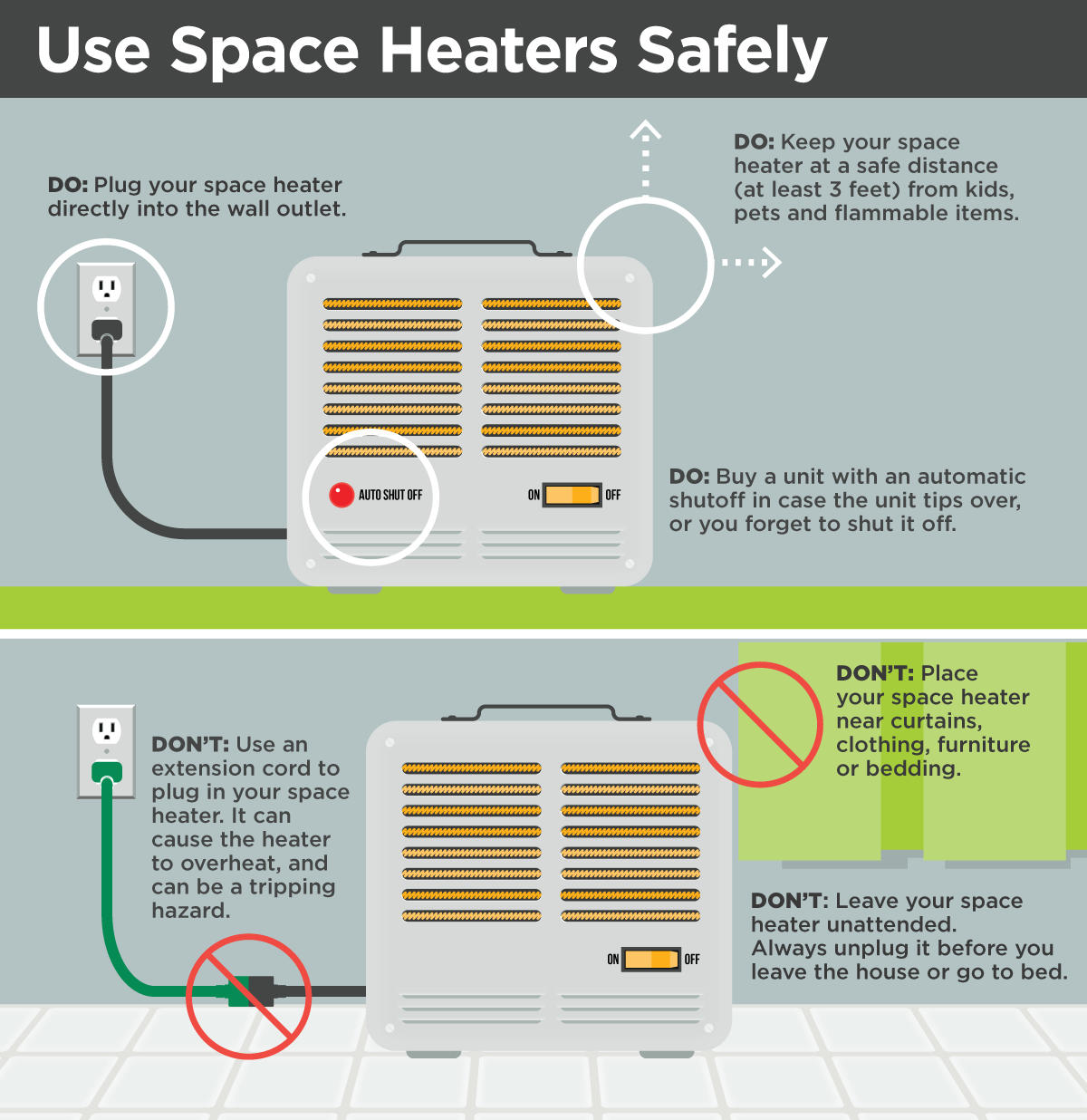
Image Source: dawsonpower.com
Deciphering Space Heater Safety and Remote Operation
Space heaters are a convenient way to supplement your home’s heating system or provide warmth to a specific room. They are designed to provide localized heat, making them energy-efficient for targeted comfort. However, their operation, especially when left unattended, introduces a spectrum of risks that homeowners must carefully consider. This detailed exploration delves into the safety concerns, regulatory aspects, and available technologies surrounding the question: Can you leave a space heater on when not home? The answer, in most scenarios, leans towards a resounding “no.”
The Core Risks of Unattended Space Heaters
The primary concern with leaving a space heater on while you’re away is the increased potential for accidents. These devices, by their nature, generate heat. When this heat generation is unsupervised, the consequences of malfunctions or unforeseen events can be severe.
Fire Hazard: The Most Significant Concern
- Overheating: Many space heaters have internal thermostats. However, if these fail, the unit can continue to heat up beyond safe operating temperatures. This can ignite nearby combustible materials.
- Combustible Materials Proximity: Upholstered furniture, curtains, blankets, paper, and even dust accumulations can easily catch fire if they come into contact with a hot heater surface or if a spark ignites them. When you’re not home, there’s no one to quickly extinguish a nascent flame.
- Faulty Wiring and Internal Malfunctions: Like any electrical appliance, space heaters can develop internal electrical faults. Damaged cords, loose connections, or malfunctioning heating elements can lead to short circuits and sparks, initiating a fire.
- Tip-Over Incidents: Many space heaters are designed with tip-over switches that automatically shut them off if the unit is knocked over. However, these switches can fail, or the heater might fall in a way that doesn’t trigger the switch, potentially spreading heat and igniting flammable materials on the floor.
- Blocked Air Vents: If the air vents on a space heater become blocked by clutter or furniture, the unit can overheat. This is a particular risk in unoccupied spaces where items might shift or be placed near the heater without your immediate knowledge.
Electrical Safety Concerns
Beyond fire risks, improper use or malfunctioning space heaters can also pose electrical safety hazards.
- Overloaded Circuits: Plugging a space heater into an extension cord or a power strip, especially one already powering other high-wattage appliances, can overload the circuit. This can lead to overheating of the wiring, potentially causing a fire. Space heaters should ideally be plugged directly into a wall outlet.
- Damaged Cords: Frayed, cracked, or damaged power cords are a significant hazard. They can expose live wires, leading to shocks or short circuits.
- Incompatible Outlets: Using older, ungrounded outlets for modern, grounded space heaters can compromise their safety features.
Safety Regulations and Building Codes: A Framework for Protection
To mitigate the risks associated with heating appliances, various safety regulations and building codes have been established. These are designed to ensure that the products we use are manufactured to safe standards and that our homes are built with safety in mind.
Product Safety Standards
- UL (Underwriters Laboratories) Certification: A prominent safety certification is the UL mark. Products bearing the UL mark have been tested and meet established safety standards. For space heaters, this typically includes standards related to fire resistance, electrical safety, and thermal protection. Always look for a reputable certification mark like UL, ETL, or CSA on any space heater you purchase.
- Consumer Product Safety Commission (CPSC): The CPSC in the United States issues recalls and safety alerts for products that pose a danger to consumers. They have specific guidance on space heater safety.
Building Codes and Fire Safety
While building codes primarily govern the construction of structures, they also touch upon aspects of electrical safety and fire prevention, which are directly relevant to heating appliances.
- Electrical Codes: National and local electrical codes dictate safe wiring practices, outlet capacity, and the use of extension cords. Adhering to these codes is crucial for preventing electrical fires.
- Fire Codes: Fire codes often include provisions for the safe installation and operation of heating equipment, including requirements for clearance from combustible materials and the use of certified appliances.
Comprehending Unattended Operation: The Crucial Distinction
The core of the question lies in unattended operation. When you are home, you are present to notice if a heater malfunctions, if a pet knocks it over, or if something is placed too close to it. You can react immediately to prevent a minor issue from escalating into a major incident. When you are away, this immediate response capability is lost.
Why “Unattended” Matters Most
- Delayed Detection: Fires started by unattended heaters can spread significantly before being detected by a neighbor or first responders.
- No Intervention: If a heater malfunctions or causes a spark, there is no one present to unplug it, move it away from combustibles, or activate a fire extinguisher.
- Environmental Factors: Pets or children could interact with the heater in unforeseen ways when you are not there to supervise.
Mitigating Risks: Features to Look For and Best Practices
While leaving a space heater on unattended is generally ill-advised, advancements in technology and careful adherence to best practices can help mitigate some of the risks if such operation is considered in specific, limited circumstances.
Advanced Safety Features in Modern Heaters
Many newer space heaters come equipped with features designed to enhance safety, even if unattended operation remains a risky proposition.
- Automatic Shut-Off Timers: Some models allow you to set a timer for how long the heater will operate. While this doesn’t prevent a fire during operation, it limits the duration of potential risk.
- Tip-Over Protection: As mentioned, most modern heaters have a switch that cuts power if the unit is tilted or knocked over.
- Overheat Protection: Internal thermostats that automatically shut off the heater if it reaches unsafe temperatures are standard on most reputable models.
- Cool-Touch Housings: Some heaters are designed with exteriors that remain cool to the touch, reducing the risk of burns.
Smart Home Devices and Appliance Monitoring
The rise of smart home devices offers new possibilities for appliance monitoring.
- Smart Plugs: You can plug a space heater into a smart plug. This allows you to remotely turn the heater on or off via a smartphone app. More advanced smart plugs can also monitor energy consumption and alert you to unusual power draws, which might indicate a problem. Some smart plugs also have built-in timers.
- Smart Thermostats: While not directly controlling the space heater, a smart thermostat can manage your central heating system. This can help maintain a baseline temperature, potentially reducing the need for a space heater to run constantly.
- Remote Monitoring Systems: More sophisticated home security systems or dedicated appliance monitoring systems can alert you to power fluctuations or even smoke detection, providing an extra layer of safety.
Thermostat Control for Efficiency and Safety
Using the built-in thermostat control on your space heater is essential for both efficiency and safety.
- Set and Forget: Set the thermostat to your desired temperature. The heater will cycle on and off to maintain it, preventing continuous operation and reducing the risk of overheating.
- Avoid Maximum Settings: Leaving a heater on its highest setting for extended periods increases the risk of overheating and fire.
Legal and Insurance Implications
Beyond immediate safety, there are broader implications to consider.
Insurance Implications
- Policy Violations: Many homeowner’s insurance policies have clauses or exclusions related to fires caused by negligence or the use of appliances in an unsafe manner, such as leaving them unattended operation. If a fire occurs due to an unattended space heater, your insurance claim might be denied.
- Policy Review: It’s prudent to review your homeowner’s insurance policy or speak with your insurance provider about their stance on using space heaters when away from home.
Legal Responsibility
In the event of a fire that causes damage to your property or a neighbor’s property, you could be held legally responsible for the damages if it’s determined that the fire was caused by your negligence in operating a space heater unattended.
Energy Consumption Considerations
While safety is paramount, energy consumption is also a factor in using space heaters.
- Efficiency: Space heaters can be efficient for heating small spaces, but running them constantly, especially when not home, can lead to surprisingly high electricity bills.
- Smart Usage: Using them for targeted heating when you are present and utilizing timers or smart plugs to limit their operation when away is more energy-conscious.
Can You Leave a Space Heater On When Not Home? Revisited
Given the risks, the most responsible answer remains no, you generally cannot safely leave a space heater on when you are not home.
- Maximum Safety: The safest approach is to turn off and unplug space heaters when you leave the house or go to bed.
- Exceptional Circumstances: If there is an absolute, unavoidable need to maintain a minimal temperature in a vacant property (e.g., to prevent pipes from freezing in extreme cold), only use the most modern, certified heaters with multiple safety features, set on a low setting, and ideally connected to a monitored system. Even then, this is a calculated risk.
- Alternatives: Consider if your central heating system can adequately maintain a safe minimum temperature, or explore other heating solutions that are inherently safer for unattended operation.
Factors Influencing Risk
Several factors can influence the level of risk associated with using a space heater, whether you are home or not.
Heater Type
- Ceramic Heaters: Often considered safer as their surfaces don’t get as intensely hot as some other types.
- Oil-Filled Radiators: These heat oil inside, which then radiates heat. They tend to have more stable temperatures and fewer exposed hot elements, but can still pose a fire risk if placed too close to combustibles.
- Infrared Heaters: These heat objects directly rather than the air. They can be efficient but still require careful placement.
- Fan Heaters: The fan can distribute heat quickly, but the heating element can become very hot.
Location and Environment
- Pets and Children: The presence of pets or children significantly increases the risk when the heater is left unattended.
- Clutter: A tidy space with clear pathways around the heater is crucial.
- Floor Surface: Heaters should always be placed on a hard, level, non-combustible surface. Never on carpet, rugs, or soft furnishings.
Heater Age and Condition
- Older Units: Older space heaters may not have the latest safety features and are more prone to wear and tear, increasing the risk of malfunction.
- Maintenance: Regularly inspect the heater for any signs of damage, such as frayed cords or cracked casings.
Frequently Asked Questions (FAQ)
Q1: Is it safe to leave a space heater on overnight while I’m sleeping?
A1: While safer than leaving it when you’re completely away, it still carries risks. Ensure the heater is placed on a stable, non-combustible surface, away from any flammable materials like bedding or curtains, and has all modern safety features, especially tip-over and overheat protection. Always use it with thermostat control to prevent continuous operation.
Q2: Can I use a space heater with an extension cord?
A2: It is strongly discouraged. Extension cords, especially those that are not heavy-duty or are of poor quality, can overheat and pose a fire hazard. Space heaters draw a significant amount of electricity and should ideally be plugged directly into a wall outlet. Check electrical safety guidelines.
Q3: What are the most important safety features to look for in a space heater?
A3: Key features include automatic tip-over shut-off, overheat protection, a sturdy design that resists tipping, and certifications from reputable safety organizations like UL, ETL, or CSA. Look for units that comply with relevant safety regulations.
Q4: How can smart home devices help with space heater safety?
A4: Smart home devices like smart plugs allow you to remotely monitor and control your space heater, and set schedules. Some can also alert you to unusual energy consumption, which might indicate a problem. This provides an added layer of appliance monitoring.
Q5: What should I do if my space heater starts making a strange noise or smells unusual?
A5: Immediately turn it off and unplug it. Do not attempt to use it again. Have it inspected by a qualified technician or replace it. These are clear indicators of potential malfunctions and a significant fire hazard.
Q6: Does my homeowner’s insurance cover fires caused by space heaters?
A6: This varies by policy. Many policies may deny claims related to negligence or the use of appliances in an unsafe manner, such as unattended operation. It’s crucial to check your policy details and consult with your insurance provider regarding insurance implications.
Q7: Are there any exceptions to the rule of not leaving space heaters unattended?
A7: While generally not recommended, in very specific situations like preventing pipe bursts in an unoccupied home during extreme cold, it might be considered with extreme caution. This would involve using only modern, certified heaters with all safety features, on a low setting, and ideally with remote appliance monitoring. However, the risk remains. Adherence to building codes and safety regulations is always paramount.
In conclusion, while the allure of a constantly warm room is tempting, the potential consequences of leaving a space heater on when you are not home far outweigh the benefits. Prioritizing electrical safety, adhering to safety regulations, and making informed choices about appliance use are crucial for preventing potential tragedies. When in doubt, always err on the side of caution and ensure your home and loved ones are protected.