
Yes, you can use Drano on a clogged kitchen sink, but it’s not always the safest or best solution, and you must follow the instructions carefully. While Drano is a popular chemical drain cleaner designed to tackle tough clogs and unclog kitchen sink blockages, its use comes with potential risks to your pipes, your health, and the environment. This detailed guide will explore the effectiveness, safety considerations, and alternatives for using Drano and other drain openers to address your kitchen sink woes.
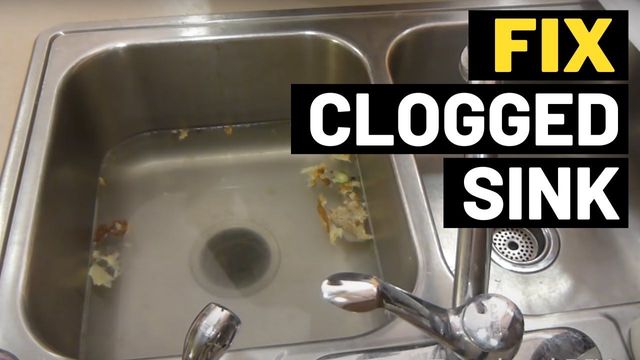
Image Source: lirp.cdn-website.com
Deciphering the Mechanism of Chemical Drain Cleaners
Chemical drain cleaners like Drano work by employing powerful chemicals to break down organic matter that typically causes kitchen sink blockages. These can include grease, hair, soap scum, and food particles. The active ingredients vary by product, but common ones include:
- Sodium Hydroxide (Lye): This is a strong alkali that dissolves grease, oil, and protein-based materials through a process called saponification. It generates heat as it reacts.
- Hypochlorite (Bleach): Found in some formulas, bleach can oxidize and break down organic waste.
- Sulfuric Acid: A highly corrosive acid that can rapidly dissolve organic blockages, but it’s often found in more heavy-duty, industrial-strength cleaners and is generally not recommended for home use.
These chemicals create a chemical reaction that liquefies or breaks apart the clog, allowing water to flow through the drain again. They are designed as a quick fix to unclog kitchen sink problems.
How Drano Works: A Closer Look
Drano products typically contain ingredients that create heat and produce bubbles. This action helps to agitate and break down the clog. For instance, Drano Max Build-Up Remover, a common product, often lists sodium hydroxide as a primary ingredient. When it encounters water in your drain, it generates heat, which helps to soften and break down grease and other organic debris. The bubbling action also aids in physically dislodging some of the clog.
When Drano Might Seem Like the Solution
A clogged kitchen sink can be a major inconvenience, disrupting daily routines. When water backs up, sinks fill with dirty water, and unpleasant odors can arise, people often reach for the quickest available solution. Drano is readily available at most supermarkets and hardware stores, making it an accessible drain cleaner.
Common scenarios where people consider using Drano include:
- Slow Draining: When water takes a long time to drain from the sink after use.
- Complete Blockage: When water doesn’t drain at all, indicating a significant kitchen sink blockage.
- Unpleasant Odors: Persistent foul smells emanating from the drain, often caused by decomposing food particles.
The convenience and perceived effectiveness of a drain opener like Drano make it an attractive first choice for many homeowners struggling to unclog kitchen sink issues.
Safety First: Potential Risks of Using Drano
While Drano can be effective, it’s crucial to be aware of the potential dangers associated with its use. These risks extend to your plumbing system, your personal health, and the environment.
Risks to Your Plumbing System
The powerful chemicals in Drano can be detrimental to certain types of pipes, especially older ones.
- Pipe Corrosion: The corrosive nature of Drano, particularly its strong alkaline or acidic components, can weaken and corrode pipes over time. This is especially true for:
- Older Metal Pipes: Galvanized steel or lead pipes (though lead pipes are rarely found in modern plumbing) are particularly vulnerable to chemical damage.
- Some Plastic Pipes: While many modern PVC pipes are designed to withstand some chemical exposure, repeated or prolonged contact with harsh drain cleaners can still degrade them.
- Joints and Seals: The chemicals can potentially damage the seals and glue used at pipe joints, leading to leaks.
- Damage to Septic Systems: If you have a septic system, pouring chemical drain cleaners down the drain can kill the beneficial bacteria that are essential for the proper functioning of the septic tank. This can lead to system failure and costly repairs.
- Heat Generation: The exothermic reaction (heat-producing) of some Drano formulas can damage PVC pipes or fittings if they are already weakened or if the product is left in the drain for too long.
- Ineffectiveness on Certain Clogs: Drano is primarily effective against organic blockages. It may not work on clogs caused by solid objects or mineral buildup. If the clog isn’t dissolved, the caustic chemicals can sit in the pipes, increasing the risk of damage.
- Mixing with Other Chemicals: Never mix Drano with other drain cleaners or household chemicals. This can create dangerous fumes or violent reactions. For example, mixing Drano with bleach can release toxic chlorine gas.
Risks to Personal Health
The chemicals in Drano are hazardous and can cause serious harm if mishandled.
- Skin and Eye Burns: Drano can cause severe chemical burns upon contact with skin or eyes. Always wear protective gloves and eye protection when handling the product.
- Inhalation Hazards: The fumes released by Drano can be irritating to the respiratory system and may cause coughing, dizziness, or nausea. Ensure good ventilation in the area where you are using the product.
- Ingestion: If accidentally ingested, Drano can cause severe internal burns and is a medical emergency. Keep it away from children and pets.
- Reactions with Plumbing Snakes or Augers: If you use a plumber’s snake or auger after using Drano, the residual chemicals on the snake can splash back onto you, causing burns.
Environmental Concerns
The chemicals in Drano eventually get flushed into the wastewater system.
- Water Contamination: The chemicals can pass through wastewater treatment plants and potentially contaminate water sources.
- Harm to Aquatic Life: If wastewater treatment is insufficient, these chemicals can harm aquatic ecosystems.
When is Drano Appropriate for a Kitchen Sink?
Given the risks, it’s important to consider when Drano might be a relatively suitable option for your kitchen sink.
- Modern, Sturdy Pipes: If you have relatively new plumbing made of PVC or PEX, they are generally more resistant to chemical damage than older materials.
- Minor Organic Clogs: For minor clogs caused by grease and food particles that have not completely solidified, Drano might provide a temporary solution.
- Last Resort (with caution): When other, safer plumbing solutions have failed, and you understand the risks involved, Drano can be considered, but with extreme caution and adherence to all instructions.
What to Do Before Using Drano
Before you even consider reaching for a bottle of Drano, it’s essential to perform a few checks and preparations. This proactive approach can prevent potential problems and ensure you are using the product as safely as possible.
- Identify Your Pipe Material: If possible, determine what your pipes are made of. If you have old or unknown pipe materials, avoid chemical drain cleaners altogether.
- Read the Label Carefully: Every Drano product is different. Read the specific instructions, warnings, and recommended uses for the product you have. Pay attention to any warnings about specific pipe types or if the product is not suitable for kitchen sinks.
- Ensure Good Ventilation: Open windows and doors to allow fresh air to circulate.
- Wear Protective Gear: This is non-negotiable. Put on sturdy rubber gloves, long sleeves, and safety glasses or goggles.
- Clear the Sink: Remove any standing water from the sink as much as possible. This helps the Drano reach the clog directly and reduces the amount of diluted chemical that will be flushed into your pipes.
- Avoid Mixing: As mentioned, never mix Drano with other chemicals. If you have recently used another drain cleaner, wait at least 24 hours, and flush thoroughly with water before trying Drano.
Step-by-Step Guide to Using Drano on a Clogged Kitchen Sink
If you’ve decided that Drano is your chosen method and you’ve taken all necessary precautions, follow these steps precisely to minimize risks:
- Pour Slowly and Directly: Carefully pour the recommended amount of Drano directly into the drain opening. Do not splash.
- Let It Sit: Allow the Drano to work for the time specified on the product label. This is usually between 7 to 30 minutes, depending on the product. Do not leave it in longer than recommended, as this increases the risk of pipe damage.
- Flush with Cold Water: After the waiting period, flush the drain thoroughly with cold water. Using hot water can sometimes accelerate chemical reactions and increase the risk of damage, especially to PVC pipes. Flush for a significant amount of time to ensure all residual chemicals are washed away.
- Test the Drain: Run water to see if the clog has cleared. If the sink still drains slowly or remains clogged, do not immediately pour more Drano.
- Repeat if Necessary (with Caution): Some products allow for a second application. If you must repeat, wait a significant period (e.g., several hours or the next day) and flush thoroughly again before applying more. However, repeated applications significantly increase the risk of pipe damage.
What to Do If Drano Doesn’t Work
If Drano fails to clear the clog, or if the problem persists or worsens, it’s a clear sign that you need to stop using chemical drain openers. At this point, you’re likely dealing with a more stubborn clog or a different type of blockage.
- Do Not Pour More Drano: Continuing to pour chemical drain cleaners will only exacerbate the risk of pipe damage and is unlikely to solve the problem.
- Flush with Lots of Water: Try flushing the drain with large amounts of hot water for an extended period. This can sometimes help wash away residual chemicals and any loosened debris.
- Consider Mechanical Methods: This is often the best next step. A plunger or a plumber’s snake (auger) can physically dislodge or break up clogs without harsh chemicals.
- Call a Professional: If mechanical methods also fail, or if you’re uncomfortable using them, it’s time to call a licensed plumber. They have the tools and expertise to diagnose and fix the problem safely and effectively.
Safer Alternatives for Your Kitchen Sink Blockage
Before you consider a chemical drain cleaner like Drano, explore these safer and often more effective plumbing solutions for your kitchen sink blockage. These methods are generally better for your pipes and your health.
1. The Plunger
A flange plunger (the kind with a cup-like seal at the bottom) is excellent for creating suction and pressure to dislodge clogs.
How to Use:
- Fill the sink with a few inches of water to create a seal around the plunger.
- Place the plunger over the drain opening, ensuring a tight seal.
- Pump the plunger up and down vigorously for about 15-20 seconds.
- Quickly pull the plunger away from the drain.
- Repeat the process several times if necessary.
2. The Plumber’s Snake (Drain Auger)
A plumber’s snake is a flexible cable that can be inserted into the drain to break up or retrieve clogs.
How to Use:
- Feed the snake into the drain opening.
- Once you encounter resistance (the clog), crank the handle to push the snake through the clog, breaking it up.
- Alternatively, twist the snake to snag the clog and pull it out.
- Once the clog is cleared, retract the snake and flush the drain with hot water.
3. Boiling Water Flush
For grease and soap-based clogs, boiling water can be surprisingly effective.
How to Use:
- Carefully pour a kettle of boiling water directly down the drain.
- Wait a few minutes.
- Flush with hot tap water.
- Repeat if needed. Caution: Do not use boiling water if you have PVC pipes that are old or in poor condition, as it could potentially soften them.
4. Baking Soda and Vinegar
This is a classic natural drain clearing method.
How to Use:
- Pour about half a cup of baking soda down the drain.
- Follow with half a cup of white vinegar.
- The mixture will fizz and bubble. Immediately cover the drain with a stopper or rag.
- Let it sit for 30 minutes to an hour.
- Flush with hot water.
5. Dish Soap and Hot Water
For clogs caused primarily by grease.
How to Use:
- Pour a good amount of liquid dish soap (designed to cut grease) down the drain.
- Follow with a kettle of boiling water (again, with caution for PVC pipes).
- The soap helps to emulsify the grease, and the hot water flushes it away.
6. Cleaning the P-Trap
The P-trap is the U-shaped pipe under your sink. It’s a common place for clogs to form.
How to Use:
- Place a bucket underneath the P-trap to catch any water or debris.
- Use a wrench to loosen the slip nuts on either side of the P-trap.
- Carefully remove the P-trap.
- Clean out any accumulated gunk and debris.
- Reassemble the P-trap, ensuring the seals are tight.
- Run water to check for leaks and ensure the drain is clear.
7. Professional Drain Cleaning Services
For persistent or severe clogs, a professional plumber offers the most reliable solution. They have specialized equipment like hydro-jetters and drain cameras that can effectively clear blockages without damaging your plumbing. This is crucial for effective drain clearing when DIY methods fail.
Maintaining Your Kitchen Sink and Disposal Unit
Regular maintenance is the best way to prevent the need for harsh chemicals like Drano and to keep your disposal unit maintenance in check.
Tips for Preventing Clogs:
- Scrape Food Scraps: Always scrape food scraps into the trash or compost bin before rinsing dishes.
- Avoid Greasy Residue: Never pour grease, oil, or fats down the drain. Pour them into a container and discard them once solidified.
- Run Cold Water with Disposal: If you have a garbage disposal, always run cold water for at least 20-30 seconds before and after using it. This helps to solidify any grease and flush it through the pipes.
- Use the Disposal Properly: Avoid putting fibrous foods (celery, corn husks), coffee grounds, eggshells, or large bones into the disposal. These can lead to clogs.
- Regular Flushing: Run hot water down the drain for a minute or two after each use, especially after washing greasy dishes.
- Occasional Natural Cleaning: Periodically use the baking soda and vinegar method or a hot water flush as preventative maintenance.
Disposal Unit Maintenance:
- Regular Cleaning: After each use, run cold water and the disposal for an additional 15-20 seconds to ensure all material is flushed through.
- Ice Cubes: Grinding a few ice cubes can help to clean the grinding chamber and sharpen the blades.
- Citrus Peels: Running citrus peels (like lemon or orange) through the disposal can help to freshen the drain and the unit.
Frequently Asked Questions (FAQ)
Q1: Can Drano damage my PVC pipes?
Yes, Drano can potentially damage PVC pipes, especially if used frequently, left in for too long, or if the pipes are already old or weakened. The heat generated by the chemical reaction and the corrosive nature of the ingredients can degrade the plastic over time, leading to cracks or leaks.
Q2: Is it safe to use Drano if I have a septic system?
No, it is generally not safe to use Drano or any chemical drain cleaner if you have a septic system. The harsh chemicals can kill the beneficial bacteria in your septic tank, which are essential for breaking down waste. This can lead to septic system failure and costly repairs.
Q3: What should I do if Drano splashes on my skin?
If Drano splashes on your skin, immediately rinse the affected area with large amounts of cool water for at least 15 minutes. Remove any contaminated clothing. If irritation or burns persist, seek medical attention.
Q4: How often can I safely use Drano?
It is best to use Drano as infrequently as possible. Ideally, it should be a last resort for a clog, and even then, only once or twice. Repeated use significantly increases the risk of pipe damage. Exploring safer alternatives is always recommended.
Q5: Can I use Drano on a garbage disposal?
While some Drano products might be labeled as safe for garbage disposals, it’s generally not recommended. The chemicals can potentially damage the disposal unit’s components, and the risk of splashing caustic chemicals into the disposal mechanism is high. It’s better to use disposal-specific cleaners or manual methods.
Q6: What is the main difference between Drano and other drain cleaners?
Drano is a brand of chemical drain cleaner that uses specific chemical formulations (often sodium hydroxide) to break down clogs. Other drain cleaners might use different chemicals like sulfuric acid or enzymes. However, the fundamental principle of dissolving or breaking down the clog through chemical reaction remains the same, as does the potential for risk.
Q7: How do I know if my pipes are old and might be damaged by Drano?
If your house was built before the 1980s, there’s a higher chance you might have older metal pipes (galvanized steel) or even lead pipes in some cases. If you’re unsure, or if you notice any signs of corrosion, discoloration, or leaks around your pipes, it’s best to avoid chemical drain cleaners entirely and opt for mechanical methods or professional help.
Conclusion
While Drano offers a quick fix to unclog kitchen sink problems, its use on a clogged kitchen sink should be approached with extreme caution. The potential for pipe damage, health hazards, and environmental impact means it’s rarely the ideal plumbing solution. Prioritizing safer, mechanical methods like plunging or snaking, or natural remedies like baking soda and vinegar, is always advisable. Regular maintenance and proper disposal habits are the most effective ways to prevent clogs altogether and ensure the longevity of your plumbing system. When in doubt, or when DIY methods fail, always call a qualified plumber to handle your drain clearing needs safely and effectively.