
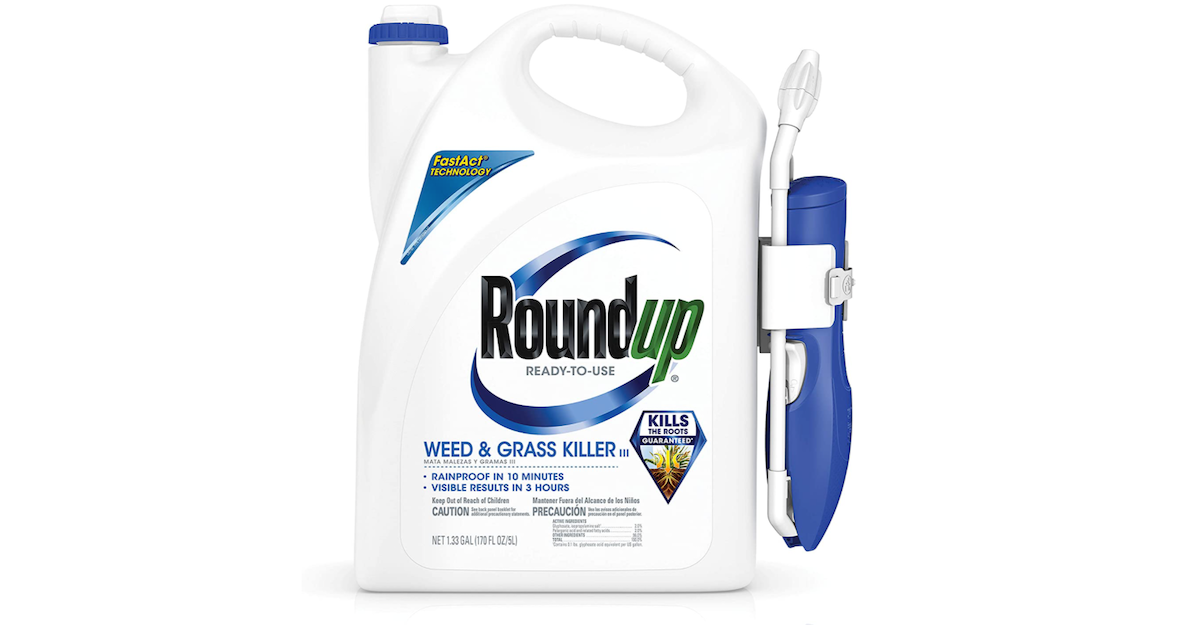
Image Source: media.greenmatters.com
Can You Use Roundup In A Garden Safely?
Yes, you can use Roundup in a garden, but doing so requires careful consideration of safety protocols and potential impacts on your plants and the environment.
Navigating Weed Control: Is Roundup the Right Choice for Your Garden?
When it comes to keeping your garden tidy, weeds are a constant challenge. Many gardeners turn to herbicides, and Roundup is often the first name that comes to mind. But can you use Roundup in a garden safely? This question involves a deep dive into herbicide safety, understanding the active ingredient, and exploring best practices for application. It also brings up the important discussion about organic gardening and the availability of non-toxic alternatives.
Roundup, a brand name for a glyphosate-based herbicide, is widely used for its effectiveness in killing a broad spectrum of weeds. Glyphosate works by disrupting a plant’s ability to produce certain proteins necessary for growth, ultimately leading to its demise. While it’s a potent tool for garden weed control, its use isn’t without controversy or potential risks if not handled with care.
The Core Ingredient: Glyphosate Use and Its Garden Implications
Glyphosate is the active ingredient in Roundup and many other weed killers. Its effectiveness lies in its non-selective nature, meaning it kills most plants it comes into contact with. This is a key factor to consider when using it in a garden, especially if you have desirable plants nearby.
How Glyphosate Works
Glyphosate is absorbed through the leaves of plants and then translocated throughout the entire plant, including the roots. This systemic action ensures that even deep-rooted weeds are killed. It inhibits the enzyme EPSP synthase, which is crucial for the synthesis of certain amino acids in plants. Humans and animals do not have this enzyme, which is a primary reason for its perceived lower toxicity to them compared to some older herbicides.
Potential for Plant Damage
The non-selective nature of glyphosate means that if it drifts onto or is accidentally sprayed on your flowers, vegetables, or lawn, it will damage or kill them. This is a significant concern for edible gardens and mixed planting beds where a wide variety of plants coexist. Even trace amounts can cause stunting or discoloration.
Safety First: Ensuring Herbicide Safety in Your Garden
Responsible use is paramount when dealing with any herbicide. Understanding the principles of herbicide safety will help you minimize risks to yourself, your family, pets, and the environment.
Personal Protective Equipment (PPE)
When applying Roundup or any other garden chemical, wearing appropriate personal protective equipment is non-negotiable. This includes:
- Gloves: Chemical-resistant gloves, such as nitrile or neoprene, protect your skin from direct contact.
- Eye Protection: Safety glasses or goggles prevent accidental splashes from reaching your eyes.
- Long Sleeves and Pants: Covering your skin reduces exposure.
- Mask: In some cases, especially if there’s a risk of mist or spray drifting, a mask can offer additional respiratory protection.
Reading and Following the Label
The product label is your most important guide. It contains crucial information on:
- Dosage and Dilution: Using the correct amount prevents over-application and reduces the risk of plant damage.
- Application Timing: Some labels specify the best time of day or weather conditions for application.
- Target Weeds: While glyphosate is non-selective, some formulations might be more effective on certain types of weeds.
- Re-entry Intervals: This is the time you need to wait before entering a treated area to avoid exposure.
- Storage and Disposal: Proper handling extends to how you store and dispose of the product.
Avoiding Drift
Herbicide drift is a major concern, especially in breezy conditions. The fine mist from a sprayer can travel considerable distances, impacting plants you didn’t intend to treat.
- Calm Conditions: Always apply herbicides on a calm day with minimal wind.
- Low-Pressure Spraying: Using lower pressure can create larger droplets, which are less prone to drifting.
- Shielding: Consider using a shield or a targeted application method to protect nearby plants.
Post-Application Precautions
After application, ensure you follow any waiting periods before harvesting edible crops or allowing children and pets into the treated area. Thoroughly wash any exposed skin and clean your equipment.
Roundup in Edible Gardens: A Delicate Balance
The question of using Roundup in edible gardens is particularly sensitive. Since Roundup is non-selective, it can easily harm or contaminate the very plants you intend to eat.
Direct Application Concerns
Never spray Roundup directly on edible plants. This can lead to the absorption of the herbicide into the plant tissues, potentially making them unsafe for consumption. Even if you’re targeting weeds growing around vegetables, extreme caution is needed to prevent overspray.
Weed Control Between Rows
In some vegetable gardens, Roundup might be used to clear pathways or areas between rows where no desirable plants are growing. This requires meticulous care and precise application to ensure only the weeds are targeted. Waiting for the plant to fully die back and break down before any contact with edible plants is also advised.
Impact on Soil and Beneficial Organisms
While glyphosate is generally considered to break down relatively quickly in soil, there are ongoing studies about its potential long-term effects on soil microbiome and beneficial organisms. For organic gardening practices, using synthetic herbicides like Roundup is strictly prohibited.
Alternatives to Roundup: Embracing Non-Toxic Solutions
For those who prefer to avoid synthetic herbicides or want safer options for their edible gardens, a variety of non-toxic alternatives are available. These methods might require more effort but are generally considered better for the environment and overall garden health.
Organic Gardening Principles
Organic gardening emphasizes working with nature, not against it. This often means relying on manual methods or natural products for pest control and weed management.
Manual Weed Removal
- Hand Pulling: This is the most direct and often most effective method for small gardens. Pulling weeds when the soil is moist makes it easier to remove the entire root system.
- Hoeing: Regularly hoeing the soil surface can disrupt young weeds before they establish themselves.
Mulching
- Benefits: A thick layer of mulch (wood chips, straw, compost) suppresses weed growth by blocking sunlight and makes it harder for weed seeds to germinate. It also helps retain soil moisture and improve soil health.
- Types of Mulch: Organic mulches like straw, wood bark, and compost are excellent choices. Inorganic mulches like gravel can also be used in certain areas.
Natural Herbicides
While less potent than synthetic options, some natural products can help manage weeds:
- Vinegar: Horticultural vinegar (with a higher acetic acid content than kitchen vinegar) can burn the foliage of weeds. However, it is non-selective and can harm desirable plants. Multiple applications may be needed.
- Boiling Water: Pouring boiling water directly onto weeds can kill them instantly. This is best for cracks in pavements or patios where you don’t have any plants nearby.
- Salt: While salt can kill weeds, it can also sterilize the soil for extended periods, making it unsuitable for use in garden beds.
Other Strategies
- Flame Weeding: Using a propane torch to briefly scorch weeds can be effective, but it requires extreme caution to prevent fires, especially in dry conditions or near flammable materials.
- Ground Covers: Planting dense ground covers can outcompete weeds for light, water, and nutrients.
Lawn Care and Roundup: Specific Considerations
When it comes to lawn care, Roundup can be a tool for eliminating broadleaf weeds or clearing areas for renovation. However, similar principles apply regarding safety and plant damage.
Spot Treatment
If you have specific weeds in your lawn that are difficult to manage, spot treatment with Roundup can be effective. Ensure you are only spraying the weed and not the surrounding grass.
Lawn Renovation
If you’re looking to kill off an old lawn to start fresh, Roundup can be used. Follow the label instructions for application and waiting periods before reseeding or sodding.
Impact on Grass
Roundup will kill any grass it comes into contact with. If you’re using it for spot treatment, you’ll likely need to reseed the treated area afterward.
Understanding Different Roundup Formulations
Roundup isn’t just one product. There are various formulations available, each with slightly different concentrations of glyphosate and additional ingredients.
| Formulation Type | Active Ingredient Concentration (Glyphosate) | Typical Use Cases |
|---|---|---|
| Ready-to-Use (RTU) | Typically 1-2% | Small-scale spot treatment, casual use |
| Concentrates | 41% or higher | Larger areas, mixing for specific application rates |
| Enhanced/Specialty | May contain additional surfactants | Targeted weed control, faster action |
Always read the label of the specific Roundup product you are using to understand its concentration and recommended application rates.
Environmental and Health Concerns
The safety of glyphosate and herbicides, in general, is a topic of ongoing scientific debate and public concern.
Research and Regulatory Status
While the U.S. Environmental Protection Agency (EPA) has stated that glyphosate is not likely to be carcinogenic to humans, other regulatory bodies and scientific organizations have reached different conclusions. It’s important to stay informed about the latest research and regulatory guidance.
Potential for Water Contamination
Improper application or spills can lead to glyphosate entering waterways, which can have adverse effects on aquatic ecosystems. Responsible disposal and adherence to application guidelines are crucial to prevent this.
When to Consider Using Roundup
Despite the availability of alternatives, there are situations where Roundup might be considered for garden use, provided all safety precautions are strictly followed:
- Extensive Weed Infestations: For very large areas with overwhelming weed problems that are difficult to manage manually.
- Tough, Persistent Weeds: Certain weeds with deep root systems might be more effectively controlled with a systemic herbicide.
- Clearing Areas Before Planting: When starting a new garden bed or renovating an area, clearing existing vegetation with Roundup can be an option, followed by a waiting period.
Weighing the Pros and Cons
| Pros of Using Roundup in Gardens | Cons of Using Roundup in Gardens |
|---|---|
| Effective against a wide range of weeds | Non-selective, can kill desirable plants |
| Relatively fast-acting | Potential environmental concerns and ongoing health debates |
| Can be cost-effective for large areas | Requires careful handling and personal protective equipment |
| Convenient for certain types of weed control | Not suitable for organic gardening |
| May be necessary for very stubborn, deep-rooted weeds | Risk of plant damage through drift or accidental contact in edible gardens |
Conclusion: A Cautious Approach to Roundup in Your Garden
Can you use Roundup in a garden safely? The answer is a qualified yes, but only with a profound commitment to understanding and implementing rigorous herbicide safety practices. For edible gardens, the risks often outweigh the benefits, and a strong emphasis on non-toxic alternatives and manual control is highly recommended. For general garden weed control and lawn care, Roundup can be a tool, but one that demands respect for its power and potential impact. Always prioritize reading and adhering to the product label, wearing appropriate protective gear, and considering the well-being of your plants, your family, and the environment. Ultimately, informed decisions and cautious application are the cornerstones of safe herbicide use in any garden setting.
Frequently Asked Questions About Roundup in Gardens
Q1: Is Roundup safe for my pets if I use it in my garden?
Once the product has dried and the treated area is safe for re-entry according to the label, it’s generally considered safe for pets. However, it’s always best to keep pets away from treated areas until they are completely dry and to prevent them from ingesting treated weeds.
Q2: How long does it take for Roundup to work?
Roundup typically starts showing results within a few hours to a couple of days, with visible browning and wilting. Complete kill can take anywhere from a week to a few weeks, depending on the weed type and environmental conditions.
Q3: Can I use Roundup near water features or ponds?
It is strongly advised to avoid using Roundup near water features, ponds, or any area where it could potentially run off into waterways. The chemical can be harmful to aquatic life.
Q4: Is there a way to protect my plants when using Roundup for nearby weeds?
Yes, you can use a shield made of cardboard or plastic to protect desirable plants from overspray. Alternatively, use a targeted application method like a sponge or brush to apply Roundup directly to the weed’s leaves.
Q5: Can I use Roundup in a garden that is intended for organic certification?
No, synthetic herbicides like Roundup are not permitted in organic gardening. Organic certification requires the avoidance of synthetic pesticides and fertilizers.