
What is at-home insemination? At-home insemination is a method where sperm is introduced directly into the reproductive tract of a female partner without the need for a clinic. Can I do insemination at home? Yes, it’s possible to perform insemination at home, often using insemination kits. Who is at-home insemination for? It’s often chosen by couples facing infertility, same-sex couples, or individuals using a sperm donor who prefer privacy or cost savings.
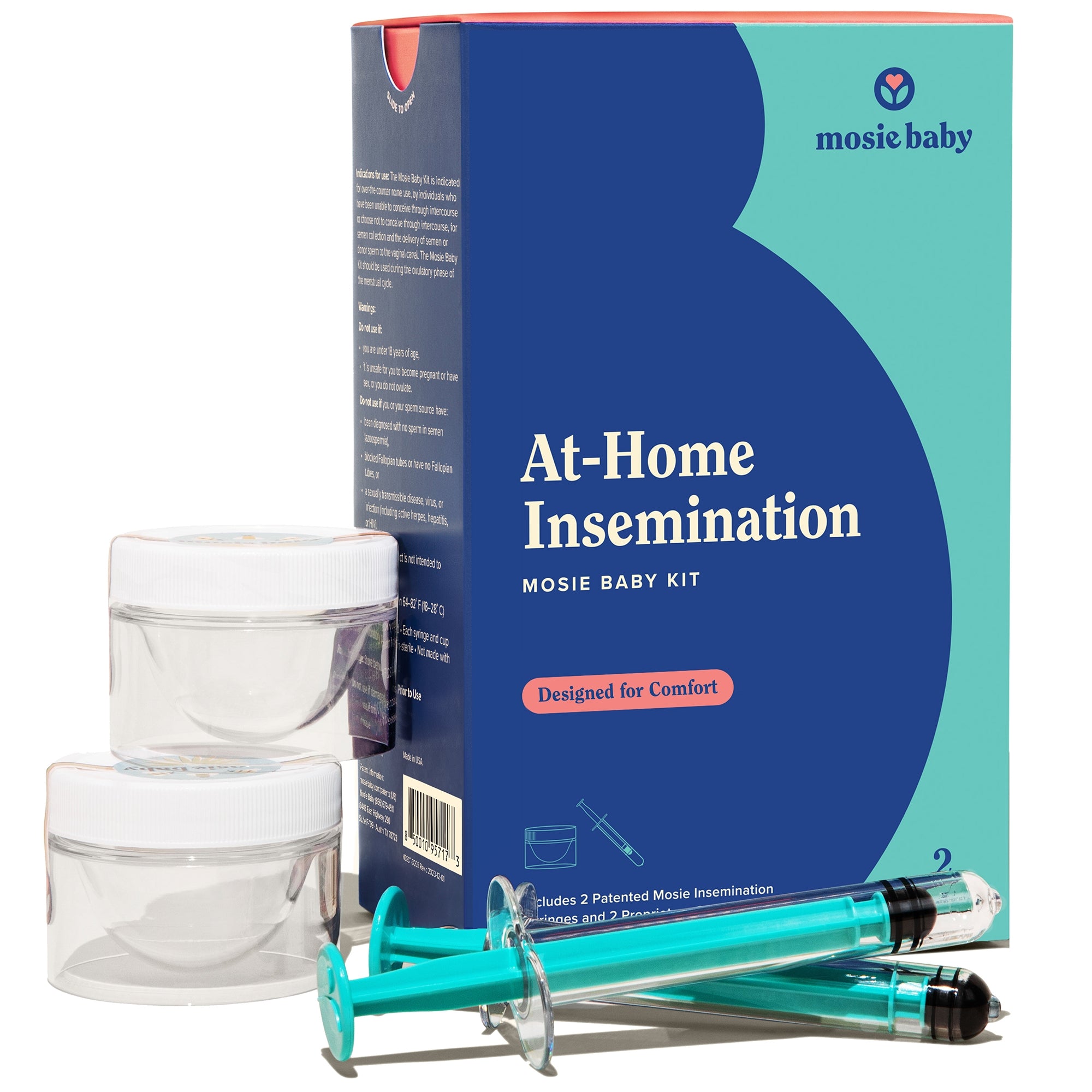
Image Source: mosiebaby.com
Deciphering At-Home Conception
At-home insemination, a form of assisted reproduction at home, offers a more private and potentially cost-effective alternative to traditional fertility clinics. This method is increasingly popular for those seeking to conceive without the formal clinical setting. It allows individuals and couples to manage the conception process on their own terms, often utilizing sperm at home collected from a partner or a donor.
The Basics of At-Home Insemination
At its core, at-home insemination involves placing sperm into the cervix or uterus at the time of ovulation. This bypasses the need for sexual intercourse and can be a helpful strategy when timing is critical or when there are mild male factor infertility issues. The goal is to maximize the chances of sperm reaching the egg for fertilization.
Common Scenarios for At-Home Conception
- Unexplained Infertility: When the cause of infertility is not clear, at-home insemination can be a first step.
- Mild Male Factor Infertility: If sperm count, motility, or morphology are slightly affected, concentrating and delivering sperm directly can improve success.
- Same-Sex Couples: It’s a popular method for lesbian couples or transgender individuals who wish to conceive using a sperm donor.
- Single Parents by Choice: Individuals who want to become pregnant without a partner can utilize donor sperm at home.
- Cost and Convenience: For some, avoiding clinic fees and appointments makes at-home methods more appealing.
Examining Home Insemination Success Rates
When considering at-home conception, it’s crucial to look at home insemination success rates. These rates can vary widely depending on several factors, making it difficult to give a single definitive percentage. However, research provides a general idea of what to expect.
Factors Influencing Success
Several key elements play a role in the effectiveness of DIY insemination:
- Age of the Female Partner: Fertility naturally declines with age, particularly after 35. Younger women generally have higher success rates.
- Sperm Quality: The concentration, motility (movement), and morphology (shape) of the sperm are critical. Higher quality sperm leads to better outcomes.
- Timing of Insemination: Accurately identifying the fertile window and performing insemination at the optimal time are paramount.
- Method Used: The technique and tools used can impact how effectively sperm is delivered.
- Underlying Fertility Issues: The presence of conditions like endometriosis, blocked fallopian tubes, or ovulation disorders will affect success.
- Sperm Donor vs. Partner Sperm: The quality of sperm from a donor can be screened and may be higher than that of a partner with known fertility issues.
Typical Success Rates
While precise figures are elusive for all at-home scenarios, studies on therapeutic donor insemination (TDI) with IUI (intrauterine insemination, a similar process but clinically performed) often show success rates of 15-20% per cycle for younger women with healthy sperm.
- For Intrauterine Insemination (IUI) in a clinic:
- Under 35: 10-20% per cycle
- 35-40: 5-10% per cycle
- Over 40: Less than 5% per cycle
At-home insemination, particularly with intracervical insemination (ICI, placing sperm into the cervix), may have slightly lower rates than clinical IUI because less sperm may reach the uterus. However, when using effective insemination kits and proper techniques, the difference might be minimal for some.
It’s important to note: These are general figures. Individual experiences can differ significantly. If conception doesn’t occur after several cycles, consulting with a fertility specialist is recommended.
Navigating Sperm at Home and Donor Options
The source of sperm is a significant consideration for those undertaking at-home conception. Whether using a partner’s sperm or a sperm donor insemination home, careful sourcing and handling are vital.
Partner Sperm
If using a partner’s sperm, the collection process is straightforward. Sperm is typically collected via masturbation into a sterile, wide-mouthed container. It’s crucial to use the container provided with a kit or a sterile medical container to avoid contamination.
Sperm Donor Insemination Home
Using a sperm donor insemination home requires more planning. Sperm banks offer screened donor sperm, which can be purchased and shipped directly to your home. This is the safest and most reliable way to use donor sperm.
Choosing a Sperm Donor
- Anonymous Donors: Donors who do not wish to be identified or contacted by any resulting children.
- Known Donors: Friends, family members, or acquaintances who consent to donate sperm. This requires careful legal agreements.
- Identity-Release Donors: Donors who agree to have their identity released to the child when they reach adulthood.
Sourcing Donor Sperm
- Sperm Banks: Reputable sperm banks screen donors thoroughly for infectious diseases and genetic conditions. They provide detailed donor profiles.
- Direct Donation (Risky): Obtaining sperm directly from an individual without the screening and legal protections of a sperm bank carries significant health and legal risks. It is strongly discouraged.
Sperm Preparation and Handling
Proper handling of sperm at home is crucial for success.
- Collection: Collect sperm in a sterile container.
- Warming: If the sperm sample is frozen, it needs to be thawed according to the sperm bank’s instructions.
- Timing: Use the sperm promptly after collection or thawing. Sperm viability decreases over time.
- Storage: If not used immediately, follow specific storage instructions. However, it is generally best to use fresh or properly thawed sperm as soon as possible.
Types of At-Home Insemination Methods
There are several self-insemination methods and techniques that can be employed at home. The choice often depends on personal preference, the type of insemination desired (cervical or uterine), and the availability of specific tools.
1. Intracervical Insemination (ICI)
This is the most common and simplest method of DIY insemination. Sperm is placed directly into the cervix using a syringe without a needle, a cervical cap, or a menstrual cup.
Procedure:
- Ovulation Tracking: Identify your fertile window using ovulation predictor kits (OPKs), basal body temperature (BBT) charting, or cervical mucus monitoring.
- Sperm Collection: Collect the sperm sample in a sterile container. If using donor sperm, thaw it according to instructions.
- Loading the Syringe: Draw the sperm into a clean, needle-less syringe.
- Insertion: Gently insert the tip of the syringe into the vagina, aiming towards the cervix, and slowly push the plunger to deposit the sperm.
- Rest: Lie down for 15-30 minutes to allow gravity to help the sperm move towards the cervix.
Pros of ICI:
- Simple and easy to perform.
- Requires minimal equipment.
- Can be done at home with privacy.
Cons of ICI:
- May have slightly lower success rates than IUI as sperm has to navigate the cervix naturally.
- Sperm may leak back out of the vagina.
2. Intrauterine Insemination (IUI) at Home (DIY IUI)
This method aims to place washed sperm directly into the uterus, mimicking a clinical IUI procedure. It involves a process of “washing” the sperm to concentrate the most motile sperm and remove seminal fluid. This is more complex and carries higher risks than ICI and is generally not recommended for home performance without professional guidance.
Procedure (Simplified and Cautioned):
- Sperm Collection and Washing: This is the most challenging part at home. It typically involves layering sperm in a special medium and centrifuging it to separate motile sperm. This requires specialized equipment and expertise and is best performed in a clinic.
- Loading the Catheter: The washed sperm is drawn into a thin, flexible catheter.
- Insertion: The catheter is inserted through the cervix into the uterus.
- Deposition: The sperm is slowly deposited into the uterus.
Pros of DIY IUI (Theoretical):
- Potentially higher success rates than ICI by bypassing the cervix and placing sperm directly into the uterus.
Cons of DIY IUI (Significant):
- Risk of Infection: Improper sterile technique can lead to serious pelvic infections.
- Sperm Damage: The washing process can damage sperm if not done correctly.
- Uterine Cramping/Injury: Incorrect insertion can cause pain or injury to the uterus.
- Limited Effectiveness: Without proper washing and concentration, it may not be more effective than ICI.
- Professional Guidance Essential: Due to the risks, most fertility experts advise against DIY IUI.
Using Insemination Kits
Many insemination kits are available online. These kits typically include:
- Needle-less Syringes: For depositing sperm.
- Specimen Cups: For sperm collection.
- Sterile Wipes: For cleaning.
- Instructions: Guidance on how to perform the procedure.
Some kits may also include ovulation predictor kits or BBT thermometers to aid in timing. When selecting a kit, ensure it is from a reputable supplier and that the components are sterile.
Factors Crucial for Successful At-Home Conception
Achieving pregnancy at home requires meticulous attention to detail. Beyond the basic procedure, several factors contribute significantly to the overall success of fertility treatment at home.
Accurate Ovulation Tracking
This is arguably the most critical step. Conception can only occur during a woman’s fertile window, which includes the days leading up to and including ovulation.
- Ovulation Predictor Kits (OPKs): Detect the surge in luteinizing hormone (LH) that precedes ovulation. A positive OPK indicates ovulation is likely within 24-36 hours.
- Basal Body Temperature (BBT) Charting: Tracking your BBT daily can help confirm ovulation after it has occurred, as there’s a slight rise in temperature post-ovulation. It’s more useful for understanding your cycle patterns than predicting ovulation in real-time.
- Cervical Mucus Monitoring: Changes in cervical mucus throughout the cycle can indicate fertility. Fertile mucus is typically clear, slippery, and stretchy, resembling raw egg whites.
- Fertility Monitors: Electronic devices that track hormones in urine to predict ovulation with higher accuracy.
Timing of Insemination
Once ovulation is predicted, the timing of insemination becomes key. Sperm can survive in the female reproductive tract for up to 5 days, while the egg is viable for only about 12-24 hours after ovulation.
- Optimal Timing: For the best chance of conception, insemination should occur 1-2 days before ovulation or on the day of ovulation.
- Multiple Inseminations: Some protocols suggest performing insemination on consecutive days during the fertile window to maximize chances.
Lifestyle Factors
A healthy lifestyle supports fertility for both partners.
- Nutrition: A balanced diet rich in fruits, vegetables, and whole grains is important. Certain nutrients like folate, zinc, and antioxidants can support reproductive health.
- Weight Management: Maintaining a healthy weight can improve ovulation regularity and sperm quality.
- Stress Reduction: Chronic stress can negatively impact fertility hormones. Techniques like yoga, meditation, or mindfulness can be beneficial.
- Avoidance of Harmful Substances: Limiting alcohol consumption, avoiding smoking, and minimizing exposure to environmental toxins are recommended.
Sperm Quality
As mentioned earlier, sperm quality is paramount.
- For Partner Sperm: If there are known fertility concerns, a semen analysis can provide valuable information about sperm count, motility, and morphology. Lifestyle changes or medical interventions might be considered.
- For Donor Sperm: Opt for reputable sperm banks that rigorously screen donors.
Considerations for At-Home Conception
Embarking on at-home conception involves several practical and emotional considerations. It’s a journey that requires careful planning and realistic expectations.
Legal and Emotional Aspects
- Donor Agreements: If using a known donor, it is highly recommended to have legal agreements in place that clearly define parental rights and responsibilities to avoid future disputes.
- Emotional Support: The process of trying to conceive can be emotionally taxing. Seek support from a partner, friends, family, or a therapist if needed. Open communication with your partner is essential.
- Privacy and Confidentiality: At-home methods offer a high degree of privacy, which is a significant draw for many individuals and couples.
Cost Comparison
While generally less expensive than clinical fertility treatments, there are still costs involved in fertility treatment at home.
- Insemination Kits: Typically range from $20 to $100 per kit.
- Ovulation Predictor Kits: Monthly costs can range from $15 to $50 depending on the brand and frequency of use.
- Donor Sperm: A vial of donor sperm from a reputable bank can cost between $300 and $1,000, plus shipping and handling fees.
- Medical Consultations: Even with at-home methods, initial consultations with a doctor or fertility specialist can be beneficial and incur costs.
When to Seek Professional Help
While at-home insemination can be effective, it’s not always the solution, and knowing when to seek professional help is crucial.
- After 6-12 Months: If you are under 35 and have not conceived after 12 months of trying (or 6 months if over 35), it’s advisable to consult a fertility specialist.
- Known Fertility Issues: If you or your partner have a diagnosed fertility problem (e.g., PCOS, endometriosis, severe male factor infertility), seeking professional guidance from the outset may be more efficient.
- Complex Procedures: If considering DIY IUI or if experiencing difficulties with at-home methods, a fertility clinic can provide necessary expertise and safer procedures.
- Multiple Failed Attempts: If at-home insemination is not yielding results, a specialist can investigate underlying issues and recommend alternative fertility treatment at home or clinical options.
Frequently Asked Questions About At-Home Insemination
Q1: Is at-home insemination safe?
At-home insemination, particularly Intracervical Insemination (ICI), is generally considered safe when performed with sterile equipment and proper hygiene. However, DIY Intrauterine Insemination (IUI) carries higher risks of infection and injury and is not recommended without professional guidance.
Q2: How much does it cost to inseminate at home?
The cost varies. Basic insemination kits can be $20-$100. Ovulation predictor kits add to the monthly cost. If using donor sperm, a vial can cost $300-$1,000, plus shipping. This is typically less expensive than in-clinic treatments like IVF.
Q3: Can I use frozen donor sperm at home?
Yes, you can purchase frozen donor sperm from a licensed sperm bank and have it shipped to your home. It’s crucial to follow the thawing instructions provided by the sperm bank precisely.
Q4: What’s the success rate of at-home insemination?
Success rates vary greatly depending on age, sperm quality, timing, and method. For ICI, success rates per cycle can range from 5% to 20%, similar to natural conception rates for some couples. Clinical IUI success rates are often in the 10-20% range per cycle.
Q5: What if sperm leaks out after insemination?
Some leakage of sperm after insemination is normal, especially with ICI. Lying down for 15-30 minutes after the procedure can help gravity keep the sperm in place. It doesn’t necessarily mean the insemination was unsuccessful.
Q6: How do I know when to inseminate?
Accurate ovulation tracking is essential. Use ovulation predictor kits (OPKs) to detect the LH surge or monitor cervical mucus and basal body temperature. Insemination is typically most effective 1-2 days before ovulation or on the day of ovulation.
Q7: Can I use a turkey baster for insemination?
While a turkey baster can be used, it’s not ideal. Dedicated needle-less syringes designed for insemination are preferable as they offer better control and a more sterile application. Ensure any tool used is clean and sterile.
Q8: What are the risks of DIY IUI?
The main risks of DIY IUI include uterine infection, cervical damage, and potential damage to the sperm during the washing process if not done correctly. These risks are why professional supervision is strongly advised for IUI procedures.
Q9: Can I get pregnant at home without a doctor?
Yes, many people successfully achieve pregnancy at home through at-home insemination without direct medical intervention for every step, especially with ICI. However, it’s always wise to have discussed your plans with a healthcare provider, especially for initial fertility assessments.
Q10: What are the best insemination kits for home use?
Reputable online retailers specializing in fertility products offer various insemination kits. Look for kits that include sterile, needle-less syringes, collection cups, and clear instructions. Always check reviews and product specifications.