
Building a modular home can be much faster than traditional stick-built houses. Generally, the entire process from design to move-in can take anywhere from 4 to 10 months. This timeframe includes everything from initial planning and factory production to site preparation and final assembly.
The appeal of modular home construction lies in its efficiency. Instead of building an entire house on-site, exposed to weather delays and sequential construction phases, a significant portion of the home is built in a controlled factory environment. This parallel processing drastically shortens the overall build duration. Let’s dive deeper into the factors that influence the modular home construction timeline and what you can expect.
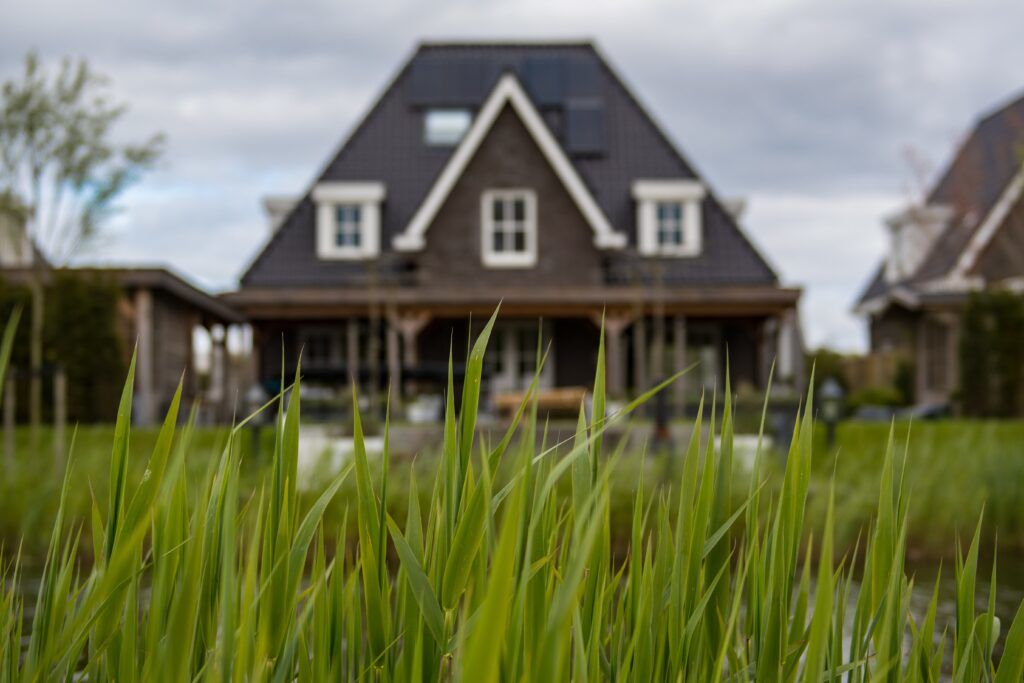
Image Source: www.nextmodular.com
Deciphering the Modular Home Construction Timeline
The prefab home build duration is a complex equation with several variables. While the factory production is streamlined, the time spent on your site and the customization of your design play crucial roles. We’ll break down each stage to give you a clear picture.
Phase 1: Design and Permitting (Typically 2-6 Weeks)
This initial stage is all about planning. It involves working with the modular home builder to select a design, customize it to your needs, and finalize floor plans and elevations.
- Design Selection: Most modular home manufacturers offer a wide range of pre-designed floor plans. You can often customize these designs to suit your preferences and budget.
- Customization: This is where your personal touch comes in. You’ll choose finishes, fixtures, layouts, and any structural modifications. The extent of customization can impact the design and permitting time.
- Engineering and Approval: Once the design is finalized, detailed architectural and structural plans are created. These plans are then submitted to local authorities for building permits.
- Permitting: The time it takes to obtain building permits varies significantly by location. Some municipalities have faster processes than others.
Factors affecting this phase:
- Complexity of the design: Simple, standard designs will move faster than highly customized ones.
- Responsiveness of the homeowner: Prompt decisions on selections and approvals can speed things up.
- Local building department efficiency: Delays in permit approvals can extend this phase.
Phase 2: Factory Production (Typically 4-12 Weeks)
This is where the magic happens, and a significant chunk of time is saved compared to traditional building. Your home is constructed in modules within a climate-controlled factory setting.
- Module Construction: Skilled tradespeople work on your home’s modules simultaneously. This includes framing, electrical, plumbing, insulation, drywall, and interior finishing.
- Quality Control: Factories have rigorous quality control measures in place to ensure consistency and adherence to building codes.
- Efficiency: The controlled environment minimizes weather delays and allows for specialized tooling and efficient workflows.
The factory built home lead time is largely determined by the manufacturer’s current production schedule, the size and complexity of your home, and the specific options you’ve chosen.
Factors affecting this phase:
- Manufacturer’s backlog: Popular manufacturers may have longer waiting lists.
- Number and size of modules: Larger or more complex homes will take longer to build.
- Custom options and finishes: Specialized requests can add to production time.
Phase 3: Site Preparation (Typically 2-8 Weeks)
While your home is being built in the factory, your building site needs to be prepared. This crucial step often happens concurrently with factory production, contributing to the overall speed of the project.
- Foundation: This is a critical component. Common foundation types for modular homes include full basements, crawl spaces, and slab foundations. The type of foundation and the site’s soil conditions will influence the time and cost.
- Utility Connections: Water, sewer/septic, and electrical lines need to be brought to the building site.
- Excavation and Grading: The land may need to be cleared, excavated, and graded to accommodate the foundation and home.
- Driveway and Access: Ensuring proper access for delivery trucks and cranes is essential.
The site prep for modular home can be a significant factor in the overall timeline. Poor site conditions, challenging weather, or delays in utility work can extend this phase.
Factors affecting this phase:
- Site conditions: Steep slopes, rocky soil, or wetlands can add time and complexity.
- Foundation type: A full basement typically takes longer than a slab foundation.
- Local climate: Harsh weather can halt excavation and foundation work.
- Availability of contractors: Scheduling excavators, concrete crews, and utility installers can sometimes lead to delays.
Phase 4: Delivery and Assembly (Typically 1-5 Days)
This is the exciting part where your home comes to life on your prepared site.
- Transportation: The factory-built modules are transported to your building site on specialized trucks.
- Craning: Large cranes are used to lift the modules off the trucks and place them onto the prepared foundation.
- Sealing and Joining: Once in place, the modules are precisely sealed and joined together by a specialized crew. This process is remarkably quick and creates a structurally sound and weather-tight home.
- Roofing and Exterior Finishing: The roof is often completed on-site, and any remaining exterior finishing, such as siding or porch installation, is done.
The modular house assembly time is generally very fast, often completed within a matter of days. However, the coordination of delivery and the crane crew is vital.
Factors affecting this phase:
- Weather: Extreme weather can delay module delivery and crane operations.
- Site accessibility: Narrow roads, overhead obstructions (like power lines), or tight building envelopes can make delivery and crane placement challenging and time-consuming.
- Module configuration: Homes with many modules or complex configurations might require more careful planning for assembly.
- Modular home delivery scheduling: Coordinating the arrival of the modules, crane, and assembly crew requires meticulous planning.
Phase 5: Finishing and Inspection (Typically 2-8 Weeks)
Once the modules are assembled, the final connections and finishing touches are completed on-site.
- Utility Hook-ups: Plumbing, electrical, and HVAC systems are connected between modules and to the main utilities.
- Interior Finishing: Seams between modules are finished, flooring may be completed, and any remaining interior trim or painting is done.
- Exterior Finishing: Porches, decks, garages, and final landscaping are often completed during this phase.
- Final Inspections: Local building inspectors will conduct final walkthroughs to ensure the home meets all building codes and regulations.
- Certificate of Occupancy: Once all inspections are passed, you’ll receive a Certificate of Occupancy, allowing you to move in.
The average modular home completion time for this phase depends on the complexity of the finishing work and the efficiency of the on-site crew and inspectors.
Factors affecting this phase:
- Scope of on-site work: If extensive decks, garages, or landscaping are part of the package, this phase will take longer.
- Contractor availability: Scheduling the necessary tradespeople for final connections and finishes.
- Inspection scheduling: The availability of building inspectors can impact the timeline.
Factors Influencing the Overall Modular Home Build Time
Several overarching factors can sway the modular building process length significantly.
Customization Level
The more customized your home, the longer each phase might take.
Standard Designs vs. Custom Modular Home Build Time
| Design Type | Design & Permitting Time | Factory Production Time | Site Prep & Assembly Time | Finishing Time | Overall Estimated Time |
|---|---|---|---|---|---|
| Standard/Basic | 2-4 Weeks | 4-8 Weeks | 2-6 Weeks | 2-4 Weeks | 10-22 Weeks (2.5-5.5 months) |
| Semi-Custom | 4-6 Weeks | 6-10 Weeks | 4-8 Weeks | 4-6 Weeks | 18-30 Weeks (4.5-7.5 months) |
| Highly Custom | 6-8 Weeks | 8-12 Weeks | 6-10 Weeks | 6-8 Weeks | 26-40 Weeks (6.5-10 months) |
Note: These are general estimates and can vary widely.
Manufacturer’s Schedule and Location
- Production Capacity: A busy manufacturer will have a longer backlog, meaning you might wait longer to start factory production.
- Proximity to Site: The distance between the factory and your building site impacts transportation costs and logistics, which can affect delivery scheduling.
Site Conditions and Accessibility
- Ease of Access: A flat, easily accessible lot simplifies module delivery and crane placement. Difficult terrain or narrow roads can add time and cost.
- Foundation Requirements: Complex foundation needs due to soil conditions or desired features (like walk-out basements) will extend site preparation.
Permitting and Local Regulations
- Building Department Efficiency: The speed at which your local building department processes permits and conducts inspections can be a major determinant.
- Zoning Laws: Strict zoning laws or specific architectural review boards can add layers of approval and time.
Weather
While modular building significantly reduces weather-related delays, extreme weather can still impact site preparation, foundation work, and the on-site assembly and finishing stages.
What is the Average Modular Home Completion Time?
The average modular home completion time typically falls within the 4 to 10-month range. This is a broad spectrum, and your specific project will likely fall somewhere within it, depending on the factors discussed above. For a simpler, pre-designed model with straightforward site conditions, you might find yourself moving in closer to the 4-month mark. For a highly customized home requiring extensive site work, the timeline could extend to 10 months or even slightly longer.
Can I Accelerate the Modular Home Build Process?
Yes, to some extent, you can influence the speed of your modular home construction.
Strategies for Speeding Up Your Build:
- Be Decisive: Make your design choices and selections promptly. Delays in decision-making can stall progress.
- Thorough Site Assessment: Understand your property’s challenges early on. Address any potential issues with utilities or site access proactively.
- Choose a Reputable Builder: Experienced modular home builders have efficient processes and strong relationships with suppliers and subcontractors.
- Pre-Approve Designs: If your local jurisdiction allows, see if you can get preliminary design approvals before finalising everything.
- Stay Organized: Keep all your documentation, permits, and communication logs in order.
Who is Responsible for Site Preparation?
Typically, the homeowner or their general contractor is responsible for the site preparation. However, many modular home builders offer site preparation services or can recommend trusted local contractors. It’s crucial to clarify this responsibility in your contract.
Frequently Asked Questions (FAQ)
Q1: How much faster is a modular home than a traditional home?
Modular homes can be built up to 30-50% faster than traditional site-built homes. This is primarily due to the parallel construction process – building in the factory while preparing the site.
Q2: What are the main stages in modular home construction?
The main stages include: Design & Permitting, Factory Production, Site Preparation, Delivery & Assembly, and Finishing & Inspection.
Q3: Does the modular home delivery scheduling impact the build time?
Yes, efficient modular home delivery scheduling is critical. Coordinating the precise arrival of modules, the crane, and the assembly crew ensures the assembly phase proceeds smoothly and without unnecessary delays.
Q4: What is the most time-consuming part of building a modular home?
While factory production is efficient, the site preparation phase can sometimes be the most variable and potentially time-consuming, especially if there are unforeseen site conditions or delays in utility work.
Q5: Can I make changes to the design after factory production has started?
Generally, significant design changes are difficult and costly to make once the modules are in production. It’s best to finalize your design before manufacturing begins. Minor changes might be possible early on, but always consult with your builder.
Q6: What is the typical lead time from ordering a modular home to delivery?
The factory built home lead time can vary, but it typically ranges from 8 to 20 weeks from the time you sign your contract and finalize your design to when the modules are ready for delivery to your site. This lead time includes the design approval, engineering, and the actual factory production.
Q7: How long does it take to get permits for a modular home?
Permit times are highly dependent on the local municipality. They can range from a few weeks to several months. It’s advisable to inquire with your local building department about their typical processing times for new home construction.
By understanding the various modular home construction phases and the factors that influence them, you can better plan and anticipate the timeline for your dream home. While the speed is a major advantage, remember that quality and careful planning are paramount for a successful build.