
Deciding on the right amount of kitchen island overhang is crucial for both comfort and functionality. Generally, you’ll need at least 10 inches of overhang for comfortable seating, but this can vary based on the height of your island and the type of seating you plan to use. This guide will help you determine the perfect countertop overhang depth for your specific needs.
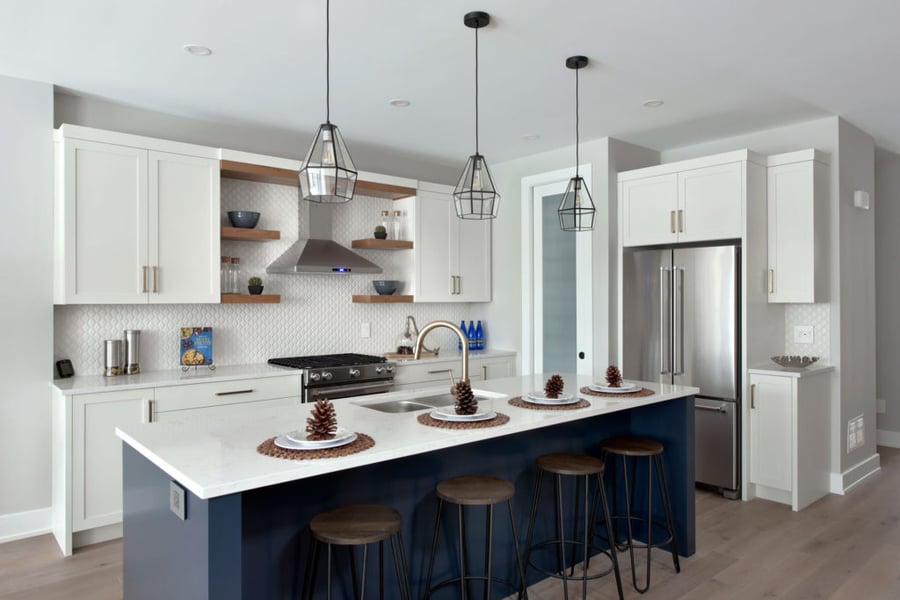
Image Source: www.deslaurier.com
Why Overhang Matters: More Than Just Aesthetics
A kitchen island overhang is more than just a design element; it’s a functional necessity that significantly impacts how you use your kitchen. It provides crucial legroom for seating, allows for comfortable dining or casual meals, and can even influence the overall flow and accessibility of your kitchen space. When planning your kitchen remodel or new build, getting the overhang right ensures your island is a welcoming and practical hub for your family and guests.
The Essential Functionality of an Overhang
- Comfortable Seating: The primary role of an overhang is to allow people to sit comfortably at the island without their knees hitting the island’s base cabinets. This is especially important for kitchen island seating overhang where guests or family members will be spending time.
- Dining and Entertaining: A well-sized overhang transforms your island into a functional dining or entertaining space. It can serve as a breakfast bar or a casual spot for meals, reducing the need for a separate dining table in smaller kitchens.
- Aesthetic Appeal: While function is key, overhangs also contribute to the visual balance of your island. They create a more inviting and less boxy appearance, softening the look of the solid cabinetry.
Factors Influencing Overhang Decisions
Several factors come into play when deciding on the ideal overhang. These include the intended use of the island, the height of the countertop, and the type of material used for the countertop.
- Island Height: Different countertop heights have different seating requirements.
- Countertop Material: Heavier materials may require more support, influencing the maximum allowable overhang.
- Intended Use: Will the island be primarily for prep, seating, or both?
Gauging the Perfect Countertop Overhang Depth
Determining the right countertop overhang depth is a balancing act between achieving adequate legroom and maintaining structural integrity. The thickness of your countertop material and the type of support you employ will play a significant role in how much overhang you can safely incorporate.
Seating Overhang Guidelines: A Closer Look
When planning for seating, seating overhang guidelines are paramount. These guidelines ensure that your guests have enough space to sit comfortably without feeling cramped.
- Standard Kitchen Island Overhang for Seating: For a standard seating area, a minimum of 10 inches of overhang is generally recommended. This allows enough space for knees and legs under the counter.
- Bar Height Island Overhang: If your island is designed as a bar height island overhang (typically around 42 inches high), you might consider a slightly larger overhang, around 12 inches, for more generous seating. This extra inch can make a noticeable difference in comfort.
- Counter Depth Overhang: When discussing counter depth overhang, it’s important to differentiate this from the overhang used for seating. Counter depth overhang is often more about aesthetic balance and protecting the cabinetry from spills, typically ranging from 1 to 1.5 inches.
Varying Needs for Different Heights
The height of your island directly impacts the required overhang for comfortable seating.
Counter Height Islands (36 inches)
Counter height islands are the most common and are typically used for casual dining or as a workspace.
- Minimum Seating Overhang: For comfortable seating at a counter height island, aim for a countertop overhang depth of at least 10 inches.
- Ideal Seating Overhang: An 11 to 12-inch overhang offers even more legroom and comfort, especially for longer periods of sitting.
- Support Considerations: Most granite and quartz countertops can support a 10-12 inch overhang without additional support if the material is at least 3 cm thick. For thinner materials or natural stones like marble, additional support might be needed.
Bar Height Islands (42 inches)
Bar height islands are designed for a more casual, bar-like seating experience.
- Minimum Seating Overhang: For a bar height island overhang, a minimum of 12 inches is recommended to accommodate comfortable seating.
- Ideal Seating Overhang: A 15-inch overhang can provide exceptional comfort and is often preferred for extended seating at bar height.
- Support Considerations: With the increased leverage of a longer overhang, support becomes more critical. Consider adding knee braces or a thick countertop material (4 cm).
Dining Height Islands (30 inches)
Dining height islands, which mimic the height of a standard dining table, require a different approach to overhang.
- Minimum Seating Overhang: For a dining height island overhang, a minimum of 12 inches is still a good starting point for comfortable legroom.
- Ideal Seating Overhang: To mimic a dining table experience, 15 to 18 inches of overhang is ideal, allowing ample space for plates and comfortable seating.
- Support Considerations: At this length, supports are almost always necessary. Options include steel brackets, wooden braces, or a thicker countertop material.
Table: Overhang Recommendations by Island Height
| Island Height | Primary Use | Minimum Seating Overhang | Ideal Seating Overhang | Notes on Support |
|---|---|---|---|---|
| 36 inches | Casual Dining, Workspace, General Use | 10 inches | 11-12 inches | Standard 3cm stone is usually sufficient for 10-12 inches. Ensure fasteners are robust. |
| 42 inches | Bar Seating, Casual Socializing | 12 inches | 15 inches | Thicker materials (4cm) or robust support systems (e.g., steel brackets, knee braces) are recommended for 15 inches to prevent sagging or breakage. |
| 30 inches | Dining Table Replacement, Formal Seating | 12 inches | 15-18 inches | Supports are essential for this depth. Steel brackets, substantial wooden braces, or a thick slab of stone are typical solutions. Consider the weight of the slab. |
| N/A | Waterfall Island Overhang (Any Height) | Varies | Varies | Overhang on waterfall sides is primarily aesthetic. Typically 6-12 inches, but depends on the design and the support system integrated into the waterfall panel. Structural support for the countertop edge is still critical. |
| N/A | Knee Wall Overhang Kitchen Island | Varies | Varies | Overhang extends over the knee wall. Typically 6-12 inches for usability and aesthetics, ensuring clearance from the wall itself for seating. Support is often integrated into the knee wall structure or via countertop supports. |
Structural Support: The Backbone of Your Overhang
A beautiful countertop can quickly become a hazard if not adequately supported. The choice of support system is critical, especially for larger overhangs, and depends heavily on your countertop material and the overall design.
Common Support Systems Explained
- Overhang Brackets: These are metal brackets, often made of steel, that are attached to the island’s cabinet base and extend outwards to support the countertop. They are a popular choice for their strength and relatively unobtrusive profile.
- Knee Braces: Similar to brackets, knee braces are angled supports that run from the cabinet to the underside of the countertop. They offer excellent stability, especially for deeper overhangs.
- Countertop Thickness: A thicker countertop slab (e.g., 3 cm instead of 2 cm) naturally has more inherent strength and can often support a longer overhang without additional visible supports.
- Hidden Support Systems: These can include solid wood panels integrated into the island’s structure or specialized steel supports that are completely hidden from view, offering a clean, seamless look.
- Support for Waterfall Island Overhang: For a waterfall island overhang, where the countertop material extends down the sides of the island, the support is often integrated directly into the waterfall panels or requires internal framing within the island.
Material Strength and Overhang Limits
Different countertop materials have varying strengths and flexural moduli, which dictate how much overhang they can safely accommodate.
- Granite and Quartz: These engineered stones are very strong and durable, making them excellent choices for islands with seating. They can typically handle a 10-12 inch overhang with minimal or no visible support if the slab thickness is 3 cm.
- Marble: While beautiful, marble is softer and more porous than granite or quartz. It is also more prone to chipping and cracking. For marble, a maximum overhang of 6-8 inches is generally recommended without robust support.
- Solid Wood (Butcher Block): Butcher block countertops can be susceptible to warping. For an overhang, it’s crucial to ensure the wood is well-sealed and to use appropriate support to prevent sagging.
- Laminate: Laminate countertops are less rigid. Overhangs beyond 6-8 inches are not typically recommended without substantial support, as the core material can flex.
Designing for Seating: Beyond the Basic Overhang
Creating a comfortable and functional seating area at your kitchen island involves more than just measuring for the overhang. Consider the overall layout, the type of seating, and the flow of traffic around the island.
Seating Arrangements and Space Considerations
- Stool vs. Chair: The type of seating you choose will impact the space needed. Bar stools typically have a smaller footprint than chairs.
- Clearance: Ensure there is enough space behind the seating for people to get in and out comfortably. A minimum of 36 inches is recommended for a walkway behind seating.
- Knee Wall Overhang Kitchen Island: If your island incorporates a knee wall overhang kitchen island, the overhang needs to clear the knee wall itself, providing comfortable legroom without obstruction. The depth here is often dictated by the thickness of the knee wall plus the desired legroom.
The Breakfast Bar Experience
A breakfast bar overhang is a popular feature that adds versatility to kitchen islands.
- Comfortable Seating: As mentioned, a 10-12 inch overhang is ideal for comfortable seating at counter height.
- Visual Appeal: A well-proportioned overhang can make the island look more inviting and less like a solid block.
- Material Choice: Consider how the overhang will look with your chosen countertop material. Thicker slabs can create a more substantial and luxurious feel.
Incorporating a Waterfall Island Overhang
A waterfall island overhang refers to the portion of the countertop that extends over the side panels of the island, creating a continuous, flowing effect.
- Aesthetic Focus: The overhang here is primarily for visual continuity. It can range from a few inches to a more significant extension, depending on the design.
- Support: While aesthetic, the edge of the countertop still needs support. This is often achieved through internal framing within the island structure or by ensuring the waterfall panel is robust enough.
Frequently Asked Questions (FAQs)
Q1: What is the standard kitchen island overhang?
A: The standard kitchen island overhang for seating is typically 10-12 inches. For non-seating overhangs, like the edge of a countertop that doesn’t have seating underneath, 1.5 inches is common for aesthetic balance and spill protection.
Q2: Can I have a 15-inch overhang on my kitchen island?
A: Yes, you can have a 15-inch overhang, especially for bar height islands (42 inches). However, for this depth, it is strongly recommended to use adequate support, such as steel brackets, knee braces, or a thicker countertop material (4cm or more). Always consult with your fabricator about the specific limitations of your chosen material.
Q3: Who is responsible for checking the overhang support?
A: Typically, the homeowner, designer, or contractor is responsible for specifying the required overhang and ensuring appropriate support is included in the design and installation plan. Your countertop fabricator will also provide guidance based on the material’s properties and their experience.
Q4: What is the best countertop material for a large overhang?
A: Quartz and granite are generally the best countertop materials for larger overhangs due to their strength and durability. Engineered quartz, in particular, offers excellent resistance to cracking and chipping, making it a reliable choice for substantial overhangs.
Q5: How much space do I need for seating behind a kitchen island?
A: You need at least 36 inches of clear walkway space behind your island seating. This allows people to sit down and stand up comfortably without bumping into the island or the wall behind them. If there are high-traffic areas or appliances behind the seating, aim for 48 inches.
Q6: Does a waterfall island need special support for the overhang?
A: Yes, while the visual design is key, the countertop edge of a waterfall island still requires structural support. This is often achieved through internal framing within the island, specialized brackets that are integrated into the waterfall panel, or ensuring the waterfall panel itself is sufficiently strong and securely attached.
Q7: What is a knee wall overhang kitchen island?
A: A knee wall overhang kitchen island is an island that features a knee wall (a short wall, typically 30-36 inches high) on one side, often used to conceal appliances or provide a dividing line. The overhang extends from the countertop over this knee wall, creating a seating area or a functional surface. The overhang depth needs to accommodate comfortable legroom past the thickness of the knee wall.
By carefully considering these guidelines and consulting with professionals, you can design a kitchen island with the perfect overhang, maximizing both its beauty and its functionality for years to come.