
What are trichomes? Trichomes are tiny, crystal-like structures that grow on cannabis plants, and checking them tells you when your cannabis is ready to harvest.
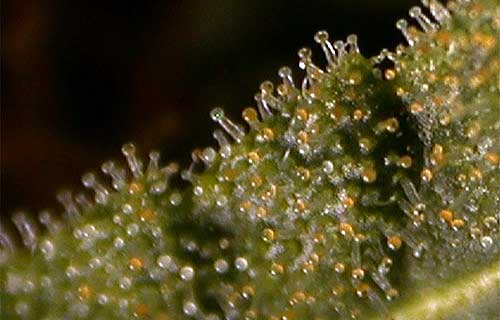
Image Source: www.growweedeasy.com
Deciphering Trichome Stages for Optimal Harvest
Knowing when to harvest your cannabis plants is crucial for getting the best quality and potency. The key to this decision lies in observing the trichome stages. These minuscule glands are often called “sugar leaves” or “crystals” and are the powerhouse of cannabinoids like THC and CBD, as well as terpenes.
The Importance of Trichome Observation
Cannabis trichomes are not just decorative; they are functional. They protect the plant from pests and environmental stress and are the primary source of the plant’s aromatic compounds and psychoactive ingredients. As the plant matures, these trichomes change in appearance, offering a visual roadmap to trichome ripeness. Monitoring these changes allows cultivators to pinpoint the peak of trichome development and harvest at the optimal moment, maximizing cannabinoid and terpene profiles. Ignoring trichome observation can lead to harvesting too early (underdeveloped potency) or too late (degradation of THC into CBN, which can cause a more sedative effect).
Tools for Trichome Examination
To accurately assess trichome maturity, you need the right tools. A simple visual inspection with the naked eye is insufficient. The fine details of trichome color and structure are best viewed with magnification.
Essential Magnification Devices
- Jeweler’s Loupe: A common and affordable option, typically offering 10x to 30x magnification. This is often enough to see the basic color changes in trichomes.
- Digital Microscope: These handheld devices connect to your phone or computer, offering higher magnification (up to 1000x or more) and the ability to take photos or videos. This is ideal for detailed analysis.
- Smartphone Magnifier Apps: While not as precise as dedicated tools, some apps can enhance your phone’s camera to provide a moderate level of magnification.
When checking trichomes, aim for a magnifying glass for trichomes that offers at least 30x magnification. This will allow you to clearly see the different trichome stages and their associated colors.
Navigating Trichome Color: A Visual Timeline
The color of trichomes is the most direct indicator of trichome maturity. Each color stage signifies a different phase in the plant’s cannabinoid and terpene production cycle.
Stage 1: Clear Trichomes
When cannabis plants are young, their trichomes appear clear and transparent, much like glass.
- Appearance: Clear, glassy, transparent.
- Cannabinoid Profile: At this stage, THC and CBD levels are still developing. The trichomes are not yet producing their full potential of cannabinoids.
- Harvest Timing: Harvesting at the clear stage is generally not recommended for most users. The effects will be weak, and the cannabinoid content will be low.
- Terpene Profile: Terpenes are present but not yet fully developed in terms of quantity or complexity.
Stage 2: Milky/Cloudy Trichomes
As the plant matures, the trichomes begin to turn opaque and milky white. This is often considered the “sweet spot” for many growers, especially those seeking a more cerebral and energetic high.
- Appearance: Opaque, cloudy, milky white.
- Cannabinoid Profile: THC levels are typically at their peak during this stage. CBD production is also increasing.
- Harvest Timing: This is a prime harvest window for a potent, uplifting effect.
- Terpene Profile: Terpenes are well-developed, contributing to a rich aroma and flavor.
Stage 3: Amber Trichomes
The final stage of trichome development sees the trichomes turning from milky white to an amber or brown hue. This indicates that THC is beginning to degrade into CBN (cannabinol), a cannabinoid known for its sedative properties.
- Appearance: Amber, brown, reddish-brown.
- Cannabinoid Profile: THC levels may start to decrease slightly, while CBN levels increase. CBN is associated with a more relaxing, couch-lock effect.
- Harvest Timing: Harvesting when trichomes are predominantly amber is ideal for users seeking a strong sedative or pain-relieving effect. A mix of milky and amber trichomes offers a balanced effect.
- Terpene Profile: Some terpenes may begin to degrade at this stage, potentially altering the aroma and flavor profile.
The Trichome Chart: Your Visual Reference
A trichome chart is an invaluable tool for growers. It visually represents the different trichome stages and their associated colors, helping you make informed harvesting decisions. While specific charts may vary slightly, the general progression of cannabis trichome color remains consistent.
| Trichome Color | Appearance | THC Level | CBD Level | Primary Effect | Harvest Recommendation |
|---|---|---|---|---|---|
| Clear | Glassy, transparent | Low to developing | Low to developing | Mild, almost unnoticeable | Too early; allow further development. |
| Milky/Cloudy | Opaque, white | Peak | Moderate | Uplifting, cerebral | Ideal for potent, energetic effects. |
| Amber/Brown | Amber to brown | Decreasing | Increasing | Sedative, relaxing | Ideal for strong body relaxation and sleep aid. |
Interpreting the Mix of Colors
Most growers aim for a specific balance of trichome colors, rather than a single color dominating. The ideal mix depends on the desired effect.
- For an energetic high: Aim for mostly milky trichomes with a few clear or early amber ones.
- For a balanced high: A good mix of milky and amber trichomes (e.g., 70% milky, 30% amber) is often preferred.
- For a sedative high: Target a higher percentage of amber trichomes (e.g., 50% amber or more).
Fathoming Trichome Clarity
Beyond color, the clarity of the trichome head is also a factor. Initially, the trichome head is clear. As it matures, it becomes cloudy. The shape of the trichome head also changes, from a simple bulbous shape to a more mushroom-like appearance as trichome development progresses.
Checking Trichomes: A Step-by-Step Approach
Checking trichomes requires patience and the right technique. Here’s a breakdown of how to do it effectively.
Step 1: Identify the Target Area
When checking trichomes, it’s important to observe them on the actual buds, not the sugar leaves. Sugar leaves mature faster than the buds themselves. Focus on the calyxes – the part that forms the bud.
Step 2: Gather Your Magnification Tool
Ensure your magnifying glass for trichomes or digital microscope is ready. Clean the lens for the clearest view.
Step 3: Get Close and Observe
Gently bring your magnification tool close to the buds. You’ll want to look at several buds from different parts of the plant to get an accurate assessment of overall maturity.
Step 4: Assess the Trichome Color and Clarity
Observe the color of the trichome heads. Are they clear, milky, or amber? Note the dominant color and the presence of any other colors. Also, pay attention to the shape of the trichome head.
Step 5: Consult Your Trichome Chart
Compare what you see with a trichome chart to gauge the trichome maturity and make an informed decision about harvesting.
Factors Influencing Trichome Development and Maturity
Several factors can influence how and when trichomes mature. Understanding these can help you better interpret the trichome stages.
Genetics
The strain of cannabis plays a significant role in the trichome development timeline and the final cannabinoid and terpene profiles. Some strains naturally produce more resinous trichomes than others.
Environmental Conditions
- Light: Adequate light is crucial for trichome production.
- Temperature and Humidity: Stable conditions promote healthy growth and resin production. Extreme fluctuations can stress the plant.
- Nutrients: Proper nutrient feeding, especially during the flowering stage, supports robust trichome development.
Flushing
The practice of “flushing” – withholding nutrients in the final weeks of flowering – can sometimes affect trichome appearance, though its impact on trichome color itself is debated. The primary goal of flushing is to remove excess mineral salts from the plant.
Common Questions About Checking Trichomes
What is trichome magnification?
Trichome magnification refers to the process of using optical tools to enlarge the appearance of trichomes, allowing for a detailed examination of their color, shape, and density. This is essential for accurately determining trichome ripeness.
Can I check trichomes on the fan leaves?
No, it is not recommended to check trichomes on fan leaves. Fan leaves have very few, if any, trichomes, and those that are present often mature at a different rate than those on the buds. For accurate trichome checking, always focus on the buds themselves.
Who is checking trichomes for?
Cultivators check trichomes to determine the optimal time to harvest their cannabis plants. This allows them to maximize the potency, flavor, and desired effects of the final product.
What is trichome clarity referring to?
Trichome clarity refers to the transparency or opacity of the trichome head. Clear trichomes are transparent, while milky trichomes are opaque. This change in clarity is a key indicator of trichome development.
Is there a standard trichome chart?
While there isn’t one single universally mandated trichome chart, the general principles of cannabis trichome color progression (clear to milky to amber) are consistent across most reliable guides. Visual references showing these stages are widely available.
FAQ: Frequently Asked Questions About Trichomes
Q1: How often should I check my trichomes?
You should start checking trichomes regularly once your plant begins showing signs of flowering maturity, typically in the last 2-3 weeks before your estimated harvest date. Checking every couple of days will give you a good sense of their progression.
Q2: What if my trichomes have different colors?
It’s very common to see a mix of colors. The decision on when to harvest often depends on the desired effect. A majority of milky trichomes with a small percentage of amber is a popular choice for a balanced high.
Q3: Does the shape of the trichome matter?
Yes, the shape can offer additional clues. As trichomes mature, the stalk may become more defined, and the head can appear fuller or more bulbous. However, color is the primary indicator of cannabinoid development.
Q4: Can I harvest based on pistil color alone?
While pistil color (the white hairs on the buds) can give a general indication of flowering, it’s not as precise as trichome checking. Pistils can change color due to environmental factors, not just maturity. Always rely on trichome observation for the most accurate harvest timing.
Q5: How does trichome magnification affect my reading?
Higher trichome magnification (like from a digital microscope) allows for a more detailed and accurate assessment of trichome clarity and color nuances. A simple magnifying glass for trichomes might suffice for basic color changes, but a more powerful tool provides greater precision.
By diligently observing your trichomes, you’ll gain invaluable insight into your plant’s lifecycle, ensuring you harvest at the perfect moment for the most desirable outcome. Happy growing!