
What is window tint percentage? Window tint percentage, also known as Visible Light Transmission (VLT), indicates how much light passes through your car’s windows. A lower VLT percentage means the tint is darker, blocking more light. Can you check window tint percentage at home? Yes, you can check window tint percentage at home using a specialized tool.
Tinting your car’s windows can offer many benefits, from reducing heat and glare to improving privacy and aesthetics. However, there’s a catch: windshield tint regulations and laws across different states and countries dictate legal tint levels. Driving with tints that are too dark can lead to tickets and fines. So, how can you be sure your tint is compliant? This guide will show you exactly how to check car window tint percentage at home with simple tools and methods.
You don’t need to be a professional to get an accurate reading. With the right approach, you can become your own tint darkness checker and ensure your vehicle adheres to the law. We’ll cover the essential tools, the step-by-step process, and what to do if your tint is not legal.
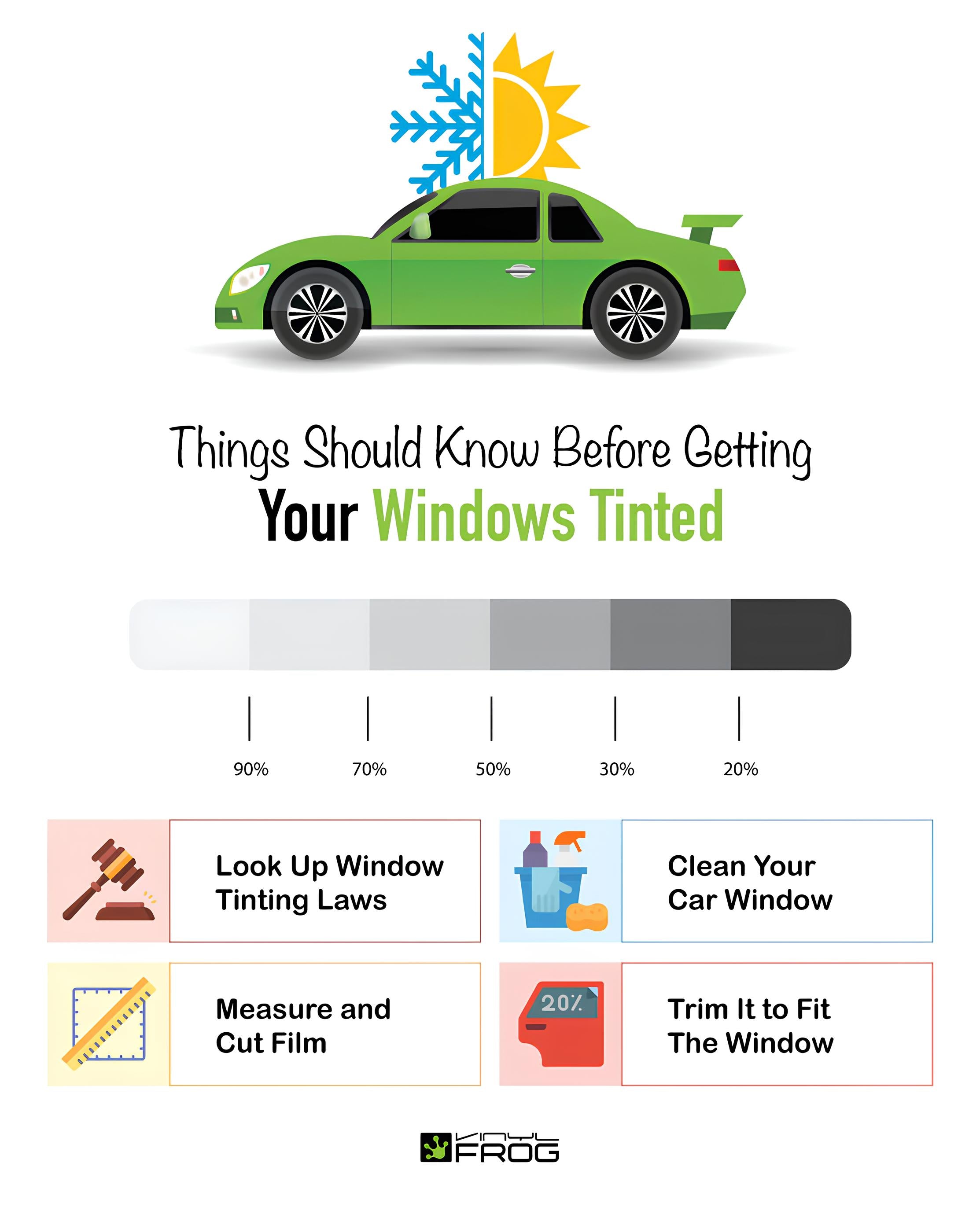
Image Source: cdn.shopify.com
Why Checking Your Window Tint is Important
Before diving into the “how,” let’s briefly touch upon the “why.” Understanding your window tint’s VLT is crucial for several reasons:
- Legal Compliance: As mentioned, most regions have specific laws regarding how dark window tint can be. For example, many states have restrictions on how dark the front side windows and windshield can be. The rear windows often have more lenient rules.
- Safety: Extremely dark tints can impair visibility, especially at night or in poor weather conditions, posing a safety risk to the driver and others.
- Resale Value: If you’re selling your car, knowing the tint’s VLT can be important information for potential buyers.
- Peace of Mind: Avoid costly tickets and potential requirements to remove non-compliant tint by simply knowing what you have.
Tools for DIY Tint Measurement
To accurately check car window tint percentage at home, you’ll need a specific tool. The most common and effective tool for this purpose is a window tint meter, also known as a VLT meter or a light transmission meter.
The Essential Tool: A Window Tint Meter
A window tint meter is a device designed to measure the percentage of visible light that passes through a tinted surface. These devices are also commonly referred to as:
- VLT Meter: Directly measures Visible Light Transmission.
- Light Transmission Meter: A more general term, but commonly used for tint testing.
- Automotive Tint Tester: Specifically indicates its use for vehicles.
- Handheld Tint Meter: Describes its portable nature.
These meters typically consist of two main parts: a light emitter and a light sensor. You place the emitter on one side of the glass and the sensor on the other. The meter then calculates the percentage of light that makes it through.
Types of Window Tint Meters:
- Digital Handheld Tint Meters: These are the most common and user-friendly for DIY use. They are compact, battery-powered, and display the VLT reading on a digital screen. They are often referred to as a handheld tint meter.
- Professional-Grade Meters: While more expensive, these offer higher accuracy and sometimes additional features. For home use, a good quality digital handheld meter is more than sufficient.
Where to Buy a Window Tint Meter:
You can purchase a VLT meter from various sources:
- Online Retailers: Amazon, eBay, and specialized automotive tool websites are excellent places to find a light transmission meter.
- Automotive Specialty Stores: Stores that sell car accessories and tools might carry them.
- Tint Shops: While they might not sell them for DIY use, they can sometimes recommend reputable brands or models.
When choosing a meter, look for models with good reviews, a clear display, and a straightforward operating procedure. A good automotive tint tester will be easy to calibrate (if necessary) and provide consistent readings.
How to Use a Window Tint Meter: A Step-by-Step Guide
Using a window tint meter is generally quite simple. Here’s a detailed breakdown of how to perform a DIY tint measurement:
Step 1: Preparation is Key
Before you start measuring, ensure you have a clean and dry surface.
- Clean the Windows: Use a good quality glass cleaner and a microfiber cloth to thoroughly clean the inside and outside of the window you intend to measure. Any dirt, dust, or residue can affect the accuracy of the reading.
- Ensure Dryness: Make sure the windows are completely dry before using the meter. Moisture can interfere with the light sensor.
- Check the Meter: Ensure your handheld tint meter has fresh batteries or is fully charged. Some meters may require a quick calibration – check your device’s manual.
Step 2: Calibrating Your Meter (If Necessary)
Some VLT meters require calibration before use to ensure accurate readings. This usually involves placing the emitter and sensor together or on a clear, untinted piece of glass (like the portion of your windshield above the tint line, if applicable).
- Follow Manufacturer Instructions: Always refer to the specific manual that came with your light transmission meter. The calibration process can vary between models.
- Zeroing the Meter: Often, calibration means “zeroing” the meter on clear glass. This tells the device what 100% VLT looks like.
Step 3: Performing the Measurement
This is the core of the DIY tint measurement.
- Position the Meter: Most handheld tint meters have an emitter on one part and a sensor on another. You will typically place the emitter against the glass on one side and the sensor on the opposite side. For side windows, this means placing one part on the inside and the other on the outside.
- Align the Meter: Ensure the two parts of the automotive tint tester are pressed firmly against the glass and are aligned directly opposite each other. A good seal prevents ambient light from interfering with the reading.
- Read the VLT Percentage: Once properly positioned and aligned, the meter will typically take a few seconds to process the light transmission. The VLT percentage will then be displayed on the screen.
- Repeat for Accuracy: It’s good practice to take multiple readings on the same window, in slightly different spots, to ensure consistency. This helps rule out any minor fluctuations or issues with the meter or the glass surface.
Step 4: Measuring Different Windows
- Side Windows: These are generally the easiest to measure. You can usually place the emitter on the inside and the sensor on the outside, or vice-versa. Ensure a firm contact.
- Rear Window: The rear window might be slightly more challenging due to its curvature or defroster lines. Try to find a smooth area for placement. You might need to be more careful with alignment.
- Windshield: Windshield tint regulations are often stricter than for other windows. Many states prohibit any tint on the front windshield, or allow only a very small strip at the top. When measuring the windshield, you can often use the area above the AS-1 line (the manufacturer-designated area for potential tint) or a section where the tint is applied.
Interpreting Your Readings and Legal Tint Levels
Once you have your VLT readings, the next step is to compare them with the legal tint levels in your area.
Common Legal Tint Restrictions:
It’s crucial to understand that tint laws vary significantly by state and country. Always check your local regulations for the most accurate information. However, here are some common patterns:
- Front Windshield: Most jurisdictions prohibit any tint on the windshield, or allow a small strip (e.g., 6 inches) at the very top. Some may allow clear, UV-rejecting films.
- Front Side Windows: Typically, the VLT for front side windows is restricted to around 70% VLT or higher. This means the tint should allow at least 70% of light to pass through.
- Rear Side Windows and Rear Windshield: These often have more lenient rules. Many places allow darker tints, such as 35% VLT or even darker, on the rear side and rear windows. Some areas have no VLT restrictions on these windows at all.
Table: Example of Common Tint Regulations (Illustrative Only – Check Local Laws!)
| Window Type | Typical Legal VLT Range (US States) |
|---|---|
| Windshield | No tint or small top strip (e.g., 70% VLT or higher) |
| Front Side Windows | 65% – 70% VLT or higher |
| Rear Side Windows | 30% – 50% VLT or no restriction |
| Rear Windshield | 30% – 50% VLT or no restriction |
Note: This table is for illustrative purposes only. Actual laws can be more specific and vary widely.
What Your Readings Mean:
- VLT of 70% or Higher: This generally means the window is either untinted or has a very light tint.
- VLT Below 70% on Front Windows: If your front side windows are reading below the legal limit (e.g., 70% VLT), they are likely too dark.
- Darker VLT on Rear Windows: If your rear windows are darker (e.g., 35% VLT), they might be perfectly legal, depending on your local laws.
Using Your Readings as a Tint Darkness Checker:
Your handheld tint meter acts as your personal tint darkness checker. By comparing the VLT reading from your automotive tint tester with your local legal tint levels, you can determine if your tint is compliant.
What to Do If Your Tint is Not Legal
If your DIY tint measurement reveals that your window tint is too dark for your area, don’t panic. There are solutions:
Removing Tint
Tint film can be removed, though it can be a bit of a tedious process.
Methods for Tint Removal:
-
Heat and Peel:
- Materials: Heat gun or powerful hairdryer, razor blade scraper (plastic is safer to avoid scratching glass), glass cleaner, microfiber cloths, trash bags or old newspapers.
- Process:
- Clean the window thoroughly.
- Heat a section of the tint with the heat gun or hairdryer. Keep the heat source moving to avoid overheating any one spot. The heat softens the adhesive.
- Once softened, carefully try to lift a corner of the tint.
- Slowly peel the tint away while continuing to apply heat to the area you are peeling. The goal is to remove it in one piece, but this is often difficult.
- Use the razor blade scraper to gently lift any stubborn sections or to remove residue.
- After the bulk of the tint is removed, you’ll likely have adhesive residue. You can use a dedicated adhesive remover or a strong glass cleaner and the scraper to remove this.
- Clean the window again thoroughly.
-
Steaming:
- Materials: Clothes steamer or a dedicated window tint steamer, razor blade scraper, glass cleaner, microfiber cloths.
- Process: Similar to the heat method, but steam helps to loosen the adhesive. Apply steam to the tint, wait for it to soften, and then peel and scrape.
Important Considerations for Removal:
- Patience: Tint removal can be time-consuming and requires patience.
- Protect Interior: Cover your car’s interior with towels or plastic to protect it from water and adhesive residue.
- Glass Care: Be very careful when using scrapers, especially metal ones, to avoid scratching the glass. Always use a lubricant (like soapy water) and a gentle angle.
Re-tinting
Once the old tint is removed, you have the option to re-tint your windows with a legal shade.
- Consult Professionals: It’s often best to have a professional tint shop apply new tint. They have the expertise and tools to ensure a clean, bubble-free installation and can advise you on legal tint options for your specific location.
- Choose Legal Shades: When selecting new tint, clearly communicate to the installer the VLT percentage you want to achieve and ensure it complies with your local windshield tint regulations and other state laws.
Advanced Considerations and Tips
Beyond the basic measurement, there are a few extra points to keep in mind.
Tint Specifications vs. Actual VLT
- Manufacturer VLT: When you get your windows tinted, the installer should tell you the VLT of the film used. However, the actual VLT of the installed film can be slightly affected by the glass it’s applied to. For example, if your car’s factory glass already has a slight tint (which many do), applying a 70% VLT film will result in a lower actual VLT than 70%.
- Glass Tint: Some vehicles come with “privacy glass” or factory tint, especially on the rear windows. This means the glass itself is tinted, and you’ll need to account for this when calculating the combined VLT. Your VLT meter will measure the combined effect of the factory glass and the applied tint film.
Checking Different Areas of the Glass
- Consistency: While most meters are designed for flat surfaces, the curvature of car windows can sometimes lead to slight variations in readings if the meter isn’t perfectly aligned. Take readings in a few spots to ensure consistency.
- Edge vs. Center: Sometimes, tint application might be slightly less precise at the very edges. Check both the center and the edges if you suspect an issue.
The Role of the “Tint Sticker”
Many professional tint shops will apply a small sticker on one of your windows (often the bottom corner of a rear side window) that indicates the VLT percentage of the film used. This sticker can be a helpful reference, but it’s always best to verify with your own VLT meter to be absolutely sure, especially if you’ve had the car for a while or aren’t the original owner.
Frequently Asked Questions (FAQ)
Q1: How accurate are home window tint meters?
A1: Good quality handheld tint meters are generally very accurate for DIY purposes. While professional-grade meters used by law enforcement or tint shops might have higher precision, a typical consumer VLT meter will give you a reliable reading to check against legal tint levels.
Q2: Can I use a light meter app on my phone instead of a VLT meter?
A2: Phone apps that claim to measure VLT are generally not accurate. They lack the necessary precision and calibration to measure light transmission reliably. It’s best to invest in a dedicated window tint meter for accurate results.
Q3: Does the type of glass (e.g., tinted factory glass) affect the reading?
A3: Yes. Your VLT meter measures the total light transmission through the glass and the tint film. If your car has factory-tinted glass, the resulting VLT reading will be lower than if the same film were applied to clear glass. This is why knowing your local legal tint levels is essential, as they apply to the final VLT.
Q4: What are the penalties for illegal window tint?
A4: Penalties vary by location but can include fines, warnings, and requirements to have the tint removed. In some cases, you might be issued a “fix-it ticket” that requires you to bring your car into compliance within a certain timeframe.
Q5: Can I tint my entire windshield?
A5: In most places, tinting the entire windshield is illegal or restricted to very light, clear films that primarily block UV rays. Always check your local windshield tint regulations before applying any tint to the front windshield.
Q6: How do I know which VLT percentage is legal in my state?
A6: The best way to find out is to search online for “[Your State] window tint laws” or “[Your State] VLT regulations.” Official government websites or reputable automotive forums are good sources of this information.
Q7: If my tint is too dark, can I just scrape it off myself?
A7: Yes, you can remove tint yourself, but it requires patience and the right tools. Using a heat gun or steamer and a scraper is the common method. Be careful not to scratch the glass.
By following this guide and using a reliable window tint meter, you can confidently check your car window tint percentage at home. This simple DIY tint measurement can save you from potential fines and ensure your vehicle is both stylish and legal on the road. Stay informed about your local laws and keep your tint compliant!