
Image Source: i.ytimg.com
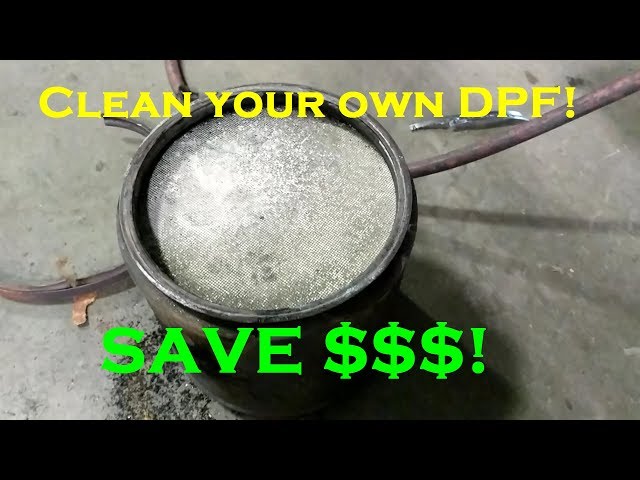
DIY DPF Filter Cleaning: How To Clean A DPF Filter At Home
Can you clean a DPF filter at home? Yes, with the right approach and tools, you can perform DIY DPF filter cleaning at home. This guide will walk you through various DPF cleaning methods, from basic regeneration to more involved manual cleaning processes. We’ll cover what you need, how to do it safely, and when it’s best to seek professional help.
What is a DPF?
A Diesel Particulate Filter (DPF) is a crucial component of modern diesel engines. Its primary job is to trap soot and other particulate matter emitted from the exhaust. Over time, this soot builds up, which can lead to a clogged DPF. A clogged DPF can cause a range of problems, including reduced engine performance, increased fuel consumption, and even engine damage.
Why Clean Your DPF?
Regular DPF cleaning is essential for maintaining the health and efficiency of your diesel vehicle. Ignoring a dirty DPF can lead to:
- Reduced Power and Performance: A clogged filter restricts exhaust flow, making the engine work harder.
- Increased Fuel Consumption: The engine compensates for the restriction, using more fuel.
- Engine Warning Lights: The vehicle’s computer will often detect DPF issues and illuminate warning lights on the dashboard.
- Expensive Repairs: If the DPF becomes severely clogged, it can lead to costly damage to other engine components, such as the turbocharger and exhaust manifold.
- Vehicle Shutdown: In extreme cases, the vehicle may enter a “limp home” mode or shut down entirely.
DPF Cleaning Methods: An Overview
There are several DPF cleaning methods available. Some are automated by the vehicle’s computer, while others require manual intervention. We’ll explore these in detail.
1. DPF Regeneration at Home
DPF regeneration is the process of burning off the accumulated soot. Modern diesel vehicles have an active regeneration system that does this automatically. However, sometimes manual intervention, or forced regeneration, is needed.
What is Active Regeneration?
Your vehicle’s engine control unit (ECU) monitors the DPF’s backpressure. When the backpressure reaches a certain level, indicating a significant soot buildup, the ECU initiates an active regeneration. This involves injecting extra fuel into the exhaust system, raising the exhaust gas temperature. This high temperature burns off the trapped soot, converting it into ash.
When Does Active Regeneration Happen?
Active regeneration typically occurs when the vehicle is driven at consistent speeds for a sustained period, usually on a highway. Short trips, stop-and-go traffic, and frequent idling can prevent the exhaust temperature from reaching the necessary levels for active regeneration to complete.
What is Forced Regeneration?
If active regeneration fails to clear the DPF, a forced regeneration may be necessary. This is a more controlled process that can be initiated through diagnostic tools.
Can You Do DPF Regeneration at Home?
While you cannot directly “force” a regeneration without specialized equipment, you can encourage your vehicle’s active regeneration to occur. This is often referred to as DPF regeneration at home.
How to Encourage Active Regeneration:
- Highway Driving: Find an opportunity to drive your vehicle on a highway or a similar road where you can maintain a consistent speed (typically above 40 mph) for at least 20-30 minutes.
- Avoid Short Trips: Try to combine errands to minimize short trips where the engine doesn’t reach optimal operating temperature.
- Monitor DPF Warning Lights: Pay attention to your dashboard for DPF warning lights. If a light comes on, try to complete a regeneration cycle as soon as safely possible.
Important Note: If the DPF warning light is flashing, it usually indicates a more severe issue that requires immediate attention and may not be resolved by simple regeneration.
2. Manual DPF Cleaning
When regeneration isn’t enough, or if the DPF is severely clogged with ash, manual cleaning might be the solution. This involves removing the DPF from the vehicle and cleaning it.
Is Manual DPF Cleaning Difficult?
Manual DPF cleaning requires mechanical aptitude and specific tools. It’s more involved than just driving your car.
Steps for Manual DPF Cleaning:
This process can be broken down into several key stages:
h3: Preparation and Safety Precautions
Before you begin any manual DPF cleaning, safety is paramount.
- Safety Gear: Always wear safety glasses, gloves, and appropriate clothing. Exhaust components can be hot.
- Vehicle Cooling: Ensure the vehicle has cooled down completely.
- Tools: You will need a socket set, wrenches, a torque wrench, a drain pan, and potentially specialized DPF cleaning tools.
- Workspace: Work in a well-ventilated area, away from ignition sources.
- Consult Your Vehicle Manual: Always refer to your vehicle’s service manual for specific instructions and torque specifications.
h3: Removing the DPF
This is often the most challenging part of the DIY process. The DPF is usually located in the exhaust system, often between the turbocharger and the muffler.
- Locate the DPF: It’s typically a cylindrical metal housing.
- Disconnect Sensors: There are usually sensors attached to the DPF, such as the exhaust gas temperature (EGT) sensors and differential pressure sensors. Carefully disconnect these.
- Unbolt Clamps and Brackets: The DPF is held in place by exhaust clamps and mounting brackets. Loosen and remove these.
- Careful Removal: Once unbolted, gently maneuver the DPF out of the exhaust system. It can be heavy and awkward.
h3: DPF Cleaning Methods and Solutions
Once removed, you have several options for cleaning the DPF. These are the most common DPF cleaning methods for DIY use.
Using a Home DPF Cleaning Fluid
There are various home DPF cleaning fluid products on the market specifically designed for cleaning DPFs. These are often spray-on or soak-in solutions that break down soot and carbon deposits.
How to Use DPF Cleaning Fluids:
- Spray Application: Some cleaners are designed to be sprayed directly into the DPF. Follow the product instructions carefully. You might need to spray into both the inlet and outlet of the DPF.
- Soak Application: Other cleaners require you to submerge the DPF in a cleaning solution or fill the DPF with the solution and let it soak for a specified period.
- Rinsing: After the cleaning agent has worked, it’s crucial to rinse the DPF thoroughly. Use a strong stream of water (preferably a pressure washer on a lower setting) to flush out the loosened soot and cleaner. Rinse from both ends of the DPF to ensure all debris is removed.
- Drying: Allow the DPF to air dry completely. You can also use compressed air to speed up the drying process. Ensure no moisture remains, as this can cause damage.
Popular DPF Cleaning Products:
Many reputable brands offer DPF cleaning products. Look for those specifically formulated for diesel particulate filters. Some well-known options include:
- Liqui Moly Diesel Particulate Filter Cleaner
- Wynns Diesel Particulate Filter Cleaner
- Cataclean Diesel DPF Cleaner
Important Considerations for DPF Cleaning Solutions:
- Compatibility: Ensure the DPF cleaning solutions you choose are compatible with your specific DPF material (often ceramic).
- Safety: Wear protective gear, as these chemicals can be harsh.
- Environment: Dispose of used cleaning fluid and rinse water responsibly according to local regulations.
The DPF Flush at Home Method
A DPF flush at home often refers to a thorough cleaning process using a combination of specialized cleaners and pressure washing.
Steps for a DPF Flush:
- Soaking: Fill the DPF with a DPF cleaning solution or a mixture of warm water and a degreaser (ensure it’s safe for DPFs). Let it soak for several hours or overnight.
- Agitation: Gently agitate the DPF (without damaging the internal structure) to help loosen stubborn deposits.
- Pressure Washing: Use a pressure washer to thoroughly rinse the DPF from both ends. Aim for a moderate pressure to avoid damaging the filter’s delicate structure.
- Repeat if Necessary: For heavily clogged DPFs, you might need to repeat the soaking and flushing process.
- Drying: Thoroughly dry the DPF.
Professional Cleaning Services
While DIY is an option, many individuals opt for professional DPF cleaning methods. These services use specialized equipment, such as ultrasonic cleaners or oven baking, to achieve a deep clean. This is often the most effective way to clean a clogged DPF, especially if it’s severely impacted.
Table: Comparing DIY vs. Professional DPF Cleaning
| Feature | DIY DPF Cleaning | Professional DPF Cleaning |
|---|---|---|
| Cost | Lower (cost of cleaning products and tools) | Higher (service fees) |
| Effort | High (requires mechanical skill and time) | Low (vehicle is dropped off and picked up) |
| Effectiveness | Can be effective for moderate clogs; variable results | Generally more effective, especially for severe clogs |
| Tools Needed | Basic mechanical tools, DPF cleaning fluids | Specialized equipment (ultrasonic cleaners, ovens, diagnostic tools) |
| Risk | Higher risk of damage if done incorrectly | Lower risk of damage, done by trained technicians |
| Time | Several hours to a full day | Typically 1-3 business days |
h3: Reinstalling the DPF
Once the DPF is cleaned and thoroughly dried, it’s time to reinstall it.
- Inspect: Before reinstallation, inspect the DPF for any cracks or damage that may have occurred during cleaning.
- Clean Mounting Surfaces: Ensure the mating surfaces on the exhaust system are clean.
- Reattach: Carefully position the DPF back into its place in the exhaust system.
- Secure Clamps and Brackets: Reinstall all clamps and brackets, tightening them to the manufacturer’s specified torque. Overtightening can damage the DPF or exhaust system.
- Reconnect Sensors: Reconnect all DPF sensors. Ensure they are properly seated.
h3: Post-Cleaning Procedures
After reinstalling the DPF, there are a few important steps to ensure everything is functioning correctly.
- Clear DPF Error Codes: Use an OBD-II scanner to clear any stored DPF-related error codes from the ECU.
- Perform a Forced Regeneration (if possible): If you have a diagnostic tool that allows for forced regeneration, perform one now. This helps the ECU relearn the DPF’s status and ensures proper operation. If you don’t have a scanner, drive the vehicle on the highway for an extended period to encourage active regeneration.
- Test Drive: Take the vehicle for a test drive to check for any unusual noises, exhaust leaks, or performance issues. Monitor for any DPF warning lights.
When DIY DPF Cleaning Isn’t Enough
While DIY DPF cleaning can be effective for mild to moderate soot buildup, there are instances where it’s not suitable or sufficient.
- Severe Clogging: If your DPF is completely blocked or contains hardened ash deposits, DIY methods may not be powerful enough.
- DPF Damage: If the DPF housing is cracked or damaged, it will need replacement, not cleaning.
- Lack of Confidence or Tools: If you are not comfortable performing the mechanical work or lack the necessary tools, it’s best to avoid DIY cleaning.
- Persistent Warning Lights: If DPF warning lights persist after cleaning attempts, further diagnosis by a professional is required.
- Ash Buildup: DPFs eventually fill with ash, which cannot be burned off through regeneration. At this point, the DPF needs professional cleaning or replacement.
Alternatives to Cleaning: DPF Replacement
If your DPF is beyond repair or cleaning, replacement is the only option. This is typically the most expensive solution.
- Original Equipment Manufacturer (OEM) Parts: These are the most expensive but ensure perfect fit and performance.
- Aftermarket DPFs: These can be a more affordable alternative but ensure they meet emissions standards and are compatible with your vehicle.
- Reconditioned DPFs: Some companies offer reconditioned or remanufactured DPFs, which can be a cost-effective option.
Maintaining Your DPF
Preventative maintenance is key to prolonging the life of your DPF and reducing the need for frequent cleaning.
- Regular Highway Driving: Incorporate longer drives at consistent speeds into your routine.
- Use Quality Diesel Fuel: Using clean, high-quality diesel fuel can reduce the amount of particulate matter produced.
- Avoid Excessive Idling: Minimize unnecessary idling, as it can hinder regeneration.
- Address Engine Issues Promptly: Ensure your engine is running efficiently. Any issues with injectors, turbochargers, or the EGR system can impact the DPF.
- Use DPF Additives (with caution): Some DPF additives can help keep the filter cleaner, but use them as directed and research their effectiveness and potential side effects.
Frequently Asked Questions (FAQ)
Q1: How often should I clean my DPF?
A1: The frequency depends on your driving habits. If you do a lot of city driving, you may need to clean it more often than someone who primarily drives on highways. Many vehicles alert you when cleaning is needed.
Q2: Can I just remove the DPF?
A2: No, removing the DPF is illegal in most regions and will cause your vehicle to fail emissions tests. It can also lead to serious engine damage and void your warranty.
Q3: What are the symptoms of a clogged DPF?
A3: Common symptoms include a loss of engine power, increased fuel consumption, a glowing DPF warning light on the dashboard, and occasionally a burning smell.
Q4: Is it safe to use generic cleaning fluids?
A4: It’s best to use DPF cleaning products specifically designed for diesel particulate filters. Generic cleaners might damage the filter media or sensors.
Q5: How long does DIY DPF cleaning take?
A5: The process, including removal, cleaning, drying, and reinstallation, can take anywhere from 2-5 hours, depending on your experience and the complexity of your vehicle’s exhaust system.
Q6: What’s the difference between passive and active DPF regeneration?
A6: Passive regeneration happens naturally during normal driving when exhaust temperatures are high enough. Active regeneration is when the engine control unit injects extra fuel to increase exhaust temperature and burn off soot when passive regeneration isn’t sufficient.
Q7: Can I use a pressure washer to clean my DPF?
A7: Yes, but with caution. Use a moderate pressure setting and rinse from both ends. Excessive pressure can damage the ceramic filter structure.
Q8: Will cleaning my DPF improve my car’s performance?
A8: Yes, if the DPF was clogged, cleaning it will restore lost power and improve fuel efficiency.
In conclusion, performing DIY DPF cleaning can be a viable option for many diesel vehicle owners looking to save money and maintain their vehicle. By following these detailed steps and prioritizing safety, you can effectively clean your DPF at home. However, always be prepared to consult a professional if the task seems too daunting or if the DPF is severely damaged. Regular maintenance and attentive driving habits will also go a long way in keeping your diesel engine running smoothly and your DPF in good condition.