
Can you clean antique jewelry at home safely? Yes, you can clean antique jewelry at home safely by using gentle cleaning solutions and following specific tips to protect its delicate nature.
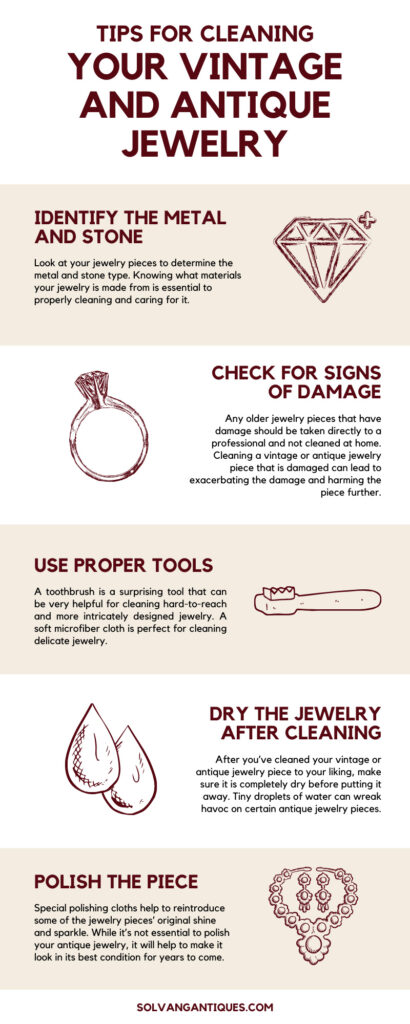
Image Source: solvangantiques.com
The Allure of Antique Jewelry and the Need for Care
Antique jewelry holds a special place in our hearts and history. Each piece tells a story, a whispered echo of past lives and styles. Whether it’s a shimmering Art Deco brooch, a Victorian mourning ring, or a filigree Art Nouveau pendant, these treasures are more than just adornments; they are heirlooms, often passed down through generations. But time, wear, and environmental factors can take their toll, leading to tarnish, grime, and a general dullness that can obscure their original beauty. This is where the art of cleaning antique jewelry at home comes into play. However, it’s crucial to approach this task with extreme caution. Incorrect cleaning methods can cause irreversible damage, diminishing the value and charm of these precious items. This guide will equip you with the knowledge of gentle cleaning solutions and essential tips to safely restore antique jewelry and keep your cleaning delicate heirlooms looking their best.
Identifying Your Antique Jewelry: The First Crucial Step
Before you even think about grabbing a cleaning cloth, the most important step is to correctly identify the materials your antique jewelry is made from. Different metals, gemstones, and finishes require vastly different care. Mixing up cleaning methods can be disastrous.
What Materials Are Your Treasures Made Of?
- Metals:
- Gold: Solid gold (10K, 14K, 18K, 24K) is relatively stable but can have intricate settings or plating that needs care. Yellow gold, rose gold, and white gold have different alloy compositions that might react differently.
- Silver: Sterling silver (92.5% silver, 7.5% other metals like copper) is prone to tarnishing. Antique silver often has detailed finishes like niello or etching that can be sensitive to harsh scrubbing.
- Platinum: Platinum is a durable metal but can develop a patina over time, which some collectors find desirable.
- Base Metals: Many antique pieces might be made of brass, copper, or pewter, often gilded or plated. These are more susceptible to damage from abrasives and strong chemicals.
- Gemstones:
- Hard Gemstones: Diamonds, sapphires, rubies, emeralds, and amethysts are generally durable.
- Softer Gemstones: Opals, pearls, turquoise, coral, lapis lazuli, and amber are porous or have lower Mohs hardness ratings. They are easily damaged by heat, ultrasonic cleaners, ammonia, and abrasives.
- Treated Gemstones: Some gemstones may have been treated (e.g., oiled emeralds, fracture-filled diamonds). These treatments can be compromised by aggressive cleaning.
- Enamels and Other Finishes: Enamel, niello, patinas, and patinated finishes require very gentle handling. Abrasives or harsh chemicals can strip these delicate layers.
When to Seek Professional Help
If your jewelry is extremely valuable, historically significant, or features a combination of fragile materials, it’s always best to consult a professional jeweler or conservator. This is especially true for:
- Jewelry with valuable or rare gemstones.
- Pieces with intricate enamel work or delicate filigree.
- Items with loose stones or structural damage.
- Jewelry that has not been cleaned in decades and may have hidden damage.
Gentle Cleaning Solutions for Common Antique Jewelry Materials
When it comes to cleaning antique jewelry at home, the golden rule is to start with the mildest method possible and only escalate if necessary. Here are some gentle cleaning solutions and techniques.
1. Mild Soap and Water: The First Line of Defense
For most solid gold, platinum, and durable gemstone jewelry (like diamonds, sapphires, rubies), a simple solution of mild, unscented dish soap and lukewarm water is often sufficient.
How-to:
- Prepare the Solution: Mix a few drops of mild dish soap (avoid those with harsh degreasers or moisturizers) into a small bowl of lukewarm water.
- Soak Briefly: Place your jewelry in the solution for no more than 5-10 minutes.
- Gentle Agitation: Use a very soft toothbrush (a child’s toothbrush or one specifically designed for jewelry cleaning is ideal) to gently brush around the settings and crevices. For very delicate pieces, you might skip the toothbrush or use a cotton swab instead.
- Rinse Thoroughly: Rinse the jewelry under cool, running water. Ensure all soap residue is removed, as this can dull the finish. You can place jewelry in a fine-mesh strainer to prevent accidental loss down the drain.
- Dry Completely: Pat the jewelry dry with a soft, lint-free cloth. Avoid rubbing, which can cause micro-scratches. For intricate pieces, you can use a hairdryer on a cool setting to ensure all moisture is removed from hidden areas.
2. Ammonia Solution: For Stubborn Grime (Use with Caution!)
A solution of one part ammonia to six parts water can be effective for removing stubborn grease and grime from most gold and durable gemstone jewelry. However, never use ammonia on pearls, coral, turquoise, opals, or any porous or treated gemstones. It can also damage certain metal finishes.
How-to:
- Prepare the Solution: Mix 1 part clear household ammonia with 6 parts lukewarm water in a small bowl.
- Soak Briefly: Submerge your jewelry for no more than 1-2 minutes.
- Gentle Brushing: Use a soft toothbrush to gently clean around the settings.
- Rinse and Dry: Rinse thoroughly under cool water and pat dry with a soft cloth.
3. Baking Soda Paste: A Mild Abrasive (Use with Extreme Caution!)
Baking soda is a mild abrasive that can help remove tarnish, but it must be used with extreme caution on antique jewelry. It can scratch softer metals or delicate finishes. It’s generally not recommended for polished surfaces but can be used very carefully on heavily tarnished silver if other methods fail, or for cleaning components of jewelry that are not the main polished surface.
How-to:
- Prepare the Paste: Mix baking soda with a small amount of water to create a paste.
- Apply Gently: Apply the paste with a soft cloth or cotton swab to the tarnished area.
- Rub Lightly: Rub very gently in a circular motion. Do not scrub aggressively.
- Rinse and Dry: Rinse thoroughly and dry completely.
4. Vinegar or Lemon Juice: Acidic Cleaners (Use Sparingly!)
These acidic solutions can help remove tarnish from silver. However, they are strong and can damage certain gemstones or metal finishes if left on for too long.
How-to:
- Prepare the Solution: Mix equal parts white vinegar or lemon juice with water.
- Soak Briefly: Dip the jewelry for no more than a minute.
- Rinse and Dry: Rinse immediately and thoroughly with cool water and dry.
Specialized Cleaning Techniques for Different Materials
Now let’s dive into antique gold cleaning methods, polishing antique silver, safe methods for antique pearls, and cleaning antique gemstones.
Cleaning Antique Gold
Solid gold jewelry, especially vintage pieces, can accumulate dirt and grime in its intricate settings.
Gentle Cleaning Solutions:
- Mild Soap and Water: As described above, this is the safest starting point.
- Ammonia Solution: For tougher grime on gold without sensitive stones (like pearls or coral), the ammonia solution can be effective.
- DIY Jewelry Cleaner (Gold): A simple DIY option for gold is mixing 1 cup of warm water with 1/2 teaspoon of mild dish soap. For slightly more stubborn dirt, you can add a teaspoon of ammonia. Again, avoid this for pieces with pearls, opals, or turquoise.
Important Considerations for Gold:
- Gold Plating: If your antique gold piece is plated, be extremely careful. Harsh chemicals or vigorous scrubbing can wear away the plating, exposing the base metal underneath.
- Enamel: If the gold piece has enamel work, avoid any abrasive cleaners or prolonged soaking. Use only a very soft brush and mild soapy water, and dry immediately.
- Patina: Some antique gold pieces develop a natural patina. Decide if you want to remove this; sometimes, the patina adds to the antique character.
Polishing Antique Silver
Cleaning tarnished antique jewelry, especially silver, often involves dealing with tarnish. While commercial silver polishes exist, many contain harsh chemicals or abrasives that can damage delicate antique silver.
Gentle Cleaning Solutions:
- Baking Soda and Aluminum Foil Method: This is a popular DIY method for removing tarnish from silver. It uses a chemical reaction to transfer the tarnish from the silver to the aluminum.
- How-to: Line a glass or ceramic bowl with aluminum foil. Place the silver jewelry on the foil. Pour hot (not boiling) water into the bowl until the jewelry is submerged. Add 1-2 tablespoons of baking soda. You’ll see a fizzing reaction. Let it sit for a few minutes, then gently turn the piece over to ensure all sides are exposed. Rinse thoroughly and dry with a soft cloth.
- Caution: This method is generally safe for sterling silver but might affect certain finishes or patinas. Test on an inconspicuous area first. It’s not recommended for pieces with gemstones or enamel.
- Mild Soap and Water with Soft Cloth: For light tarnish and general cleaning, a soft cloth and mild soapy water will suffice.
- Commercial Silver Polishes (Use with Extreme Caution): If you must use a commercial polish, choose one specifically designed for antique or fine silver. Always apply it to a soft cloth first, not directly to the jewelry. Rub very gently, and rinse thoroughly. Avoid polishes with abrasive particles.
Tips for Polishing Antique Silver:
- Work in Small Sections: For intricate pieces, polish one section at a time.
- Use Soft Cloths: Microfiber cloths or soft cotton cloths are ideal.
- Avoid Over-Polishing: Aggressive polishing can remove the silver itself, especially from intricate details or plated items.
- Consider a Natural Patina: Many collectors appreciate the natural patina that develops on antique silver. Decide if you want to remove it entirely.
Safe Methods for Antique Pearls
Pearls are organic gems and are extremely delicate. They are susceptible to damage from acids, alkalis, heat, and abrasives.
Safe Cleaning Methods:
- Gentle Wipe Down: The best and safest method for pearls is a gentle wipe with a soft, damp cloth after each wear. This removes body oils and makeup that can dull their luster.
- Mild Soap and Water (Diluted): If pearls are visibly dirty, you can use a very dilute solution of mild, unscented soap (like castile soap) and distilled water. Dip a cotton swab into the solution, wring it out thoroughly so it’s barely damp, and gently wipe the pearl. Avoid getting water into the drill holes.
- Rinsing: If you use soap, rinse immediately with a clean, damp cloth.
- Drying: Pat dry with a soft, lint-free cloth. Ensure no moisture remains.
What to Absolutely Avoid for Pearls:
- Ultrasonic Cleaners: The vibrations can cause pearls to crack.
- Steam Cleaners: Heat is detrimental to pearls.
- Ammonia, Bleach, or Harsh Chemicals: These will damage the nacre.
- Abrasive Cleaners or Brushes: These will scratch the surface.
- Soaking: Never soak pearls in any liquid.
- Toothpaste: It’s too abrasive.
Cleaning Antique Gemstones
The cleaning method for gemstones depends heavily on their hardness and whether they have been treated.
General Guidelines:
- Hard, Durable Gemstones (Diamonds, Sapphires, Rubies): These can typically be cleaned with mild soap and water and a soft toothbrush. An ammonia solution can also be used with caution.
- Softer Gemstones (Emeralds, Opals, Turquoise, Coral, Amber):
- Emeralds: Often oiled to enhance their clarity. Avoid ultrasonic cleaners and strong chemicals. Mild soapy water and a soft brush are best, but be gentle.
- Opals: Extremely sensitive to heat, chemicals, and shock. Only wipe gently with a damp cloth. Never soak or use any cleaning solutions.
- Turquoise, Coral, Lapis Lazuli: These are porous and can be damaged by chemicals and prolonged soaking. A gentle wipe with a slightly damp cloth is usually sufficient.
- Amber: Avoid heat, chemicals, and abrasives. A soft cloth is best.
- Treated Gemstones: If you suspect your gemstones have been treated (e.g., dyed, fracture-filled), it’s best to stick to the mildest cleaning methods or consult a professional.
DIY Jewelry Cleaner (Gemstones): For durable gemstones, a mild dish soap and water solution is your safest DIY option. For less durable stones, a slightly damp cloth is the only recommended approach.
Restoring Antique Jewelry: Tips for Longevity
Preserving vintage jewelry goes beyond just cleaning. It involves careful handling and storage.
Storage Solutions
- Separate Compartments: Store each piece of jewelry in a separate soft pouch or compartment within a jewelry box to prevent scratching and tangling.
- Avoid Humidity: Store jewelry in a cool, dry place. High humidity can accelerate tarnishing, especially for silver.
- Anti-Tarnish Strips: For silver pieces, consider placing anti-tarnish strips in your jewelry box to absorb sulfur compounds that cause tarnish.
Handling with Care
- Last On, First Off: Put your jewelry on after applying makeup, perfume, and lotions, and take it off before showering, swimming, or exercising.
- Avoid Harsh Chemicals: Never wear antique jewelry while cleaning with household chemicals.
- Regular Inspections: Periodically inspect your jewelry for loose stones or damage.
What Not to Do When Cleaning Antique Jewelry
To reiterate, here are some critical “don’ts” when cleaning your precious heirlooms:
- Don’t use abrasive cleaners: This includes commercial cleaners with gritty particles, toothpaste, or harsh scrubbing pads.
- Don’t use ultrasonic cleaners: Unless you are absolutely certain the piece and its gemstones can withstand it (very rare for antique jewelry).
- Don’t use harsh chemicals: Avoid bleach, ammonia (unless specifically for gold and without sensitive stones), and strong solvents.
- Don’t soak delicate items: Pearls, opals, porous gemstones, and enameled pieces should never be soaked.
- Don’t use a regular toothbrush: Opt for a very soft brush or cotton swabs.
- Don’t ignore the materials: Always identify your jewelry before cleaning.
- Don’t over-clean: Sometimes, a little tarnish or patina is part of a piece’s charm and history.
Cleaning Specific Types of Antique Jewelry
Let’s break down cleaning for some common antique jewelry types.
Cleaning Antique Rings
Rings, especially those with intricate settings and gemstones, can trap a lot of dirt.
- Method: Start with mild soap and water and a soft toothbrush. Gently brush around the settings and under the gemstones. Rinse thoroughly and dry with a soft cloth.
- Gemstone Considerations: Adjust your method based on the gemstones. For diamonds, you can be a bit more vigorous with the brushing. For emeralds or opals, be extremely gentle.
Cleaning Antique Necklaces and Bracelets
These often have delicate chains and clasps.
- Method: For chains, a mild soapy water soak for a few minutes followed by gentle brushing with a soft brush or even your fingertip can work. For intricate pendants, use a cotton swab dipped in mild soapy water. Rinse carefully and dry by laying on a soft cloth, or gently patting with a hairdryer on a cool setting.
- Clasps: Pay attention to clasps, as they can get clogged with dirt. Use a fine-tipped cotton swab to clean them.
Cleaning Antique Brooches and Pins
These can have complex designs, sometimes with enamel or delicate metalwork.
- Method: Treat brooches with extreme care due to their often intricate designs and potential for enamel or fragile finishes. Use a cotton swab dipped in a mild soapy solution to clean around the pin mechanism and decorative elements. Avoid getting water into the pin mechanism itself.
- Enamel: For enameled brooches, a very gentle wipe with a slightly damp cloth is all that’s recommended.
Frequently Asked Questions (FAQ)
Q1: How often should I clean my antique jewelry?
A1: This depends on how often you wear it and the environment. For pieces worn daily, a gentle clean with mild soap and water every few months is usually sufficient. For pieces stored away, an occasional check and gentle wipe-down annually is a good practice.
Q2: Can I use toothpaste to clean my antique jewelry?
A2: No, absolutely not. Toothpaste is abrasive and can permanently scratch the surface of metals and gemstones, significantly damaging your antique jewelry.
Q3: My antique silver has a lot of black tarnish. What’s the best way to remove it?
A3: For heavy tarnish on silver, the baking soda and aluminum foil method is often effective and relatively gentle. However, always test on an inconspicuous area first, and avoid this method if the silver has gemstones or delicate finishes. For very valuable or historically significant silver, consider professional cleaning.
Q4: I have an antique ring with an opal. How can I clean it?
A4: Opals are very delicate. The safest method is to gently wipe the opal with a soft, slightly damp cloth. Avoid any soaking, harsh chemicals, or abrasive materials. If it’s very dirty, consult a professional jeweler specializing in antique pieces.
Q5: Is it safe to use rubbing alcohol on antique jewelry?
A5: Rubbing alcohol (isopropyl alcohol) can be used cautiously on some durable gemstones and gold, as it can help remove grease. However, it can damage certain finishes and gemstones like pearls, opals, and turquoise. Always test on an inconspicuous area first, and avoid it for any porous or organic materials.
Conclusion: Cherishing Your Heirlooms Safely
Caring for antique jewelry is a labor of love. By employing gentle cleaning solutions, being mindful of the specific materials, and always erring on the side of caution, you can effectively clean and maintain the beauty of your cleaning delicate heirlooms. Remember, the goal is preservation and enhancement, not restoration that alters the historical integrity of the piece. When in doubt, always consult a professional to ensure your treasured family pieces can be enjoyed for generations to come.