
Can you use food coloring in homemade soap? Yes, you can, but it’s often not the best choice for lasting, vibrant colors, and it can sometimes fade or bleed. This guide will help you choose the safest and most effective soap making colorants for your creations.
Making your own soap is a rewarding hobby. You can create beautiful, personalized bars that are kind to your skin. One of the most exciting parts of soap making is adding color. But with so many options, how do you know which ones are safe and will give you the look you want? Let’s dive into the world of soap making colorants.
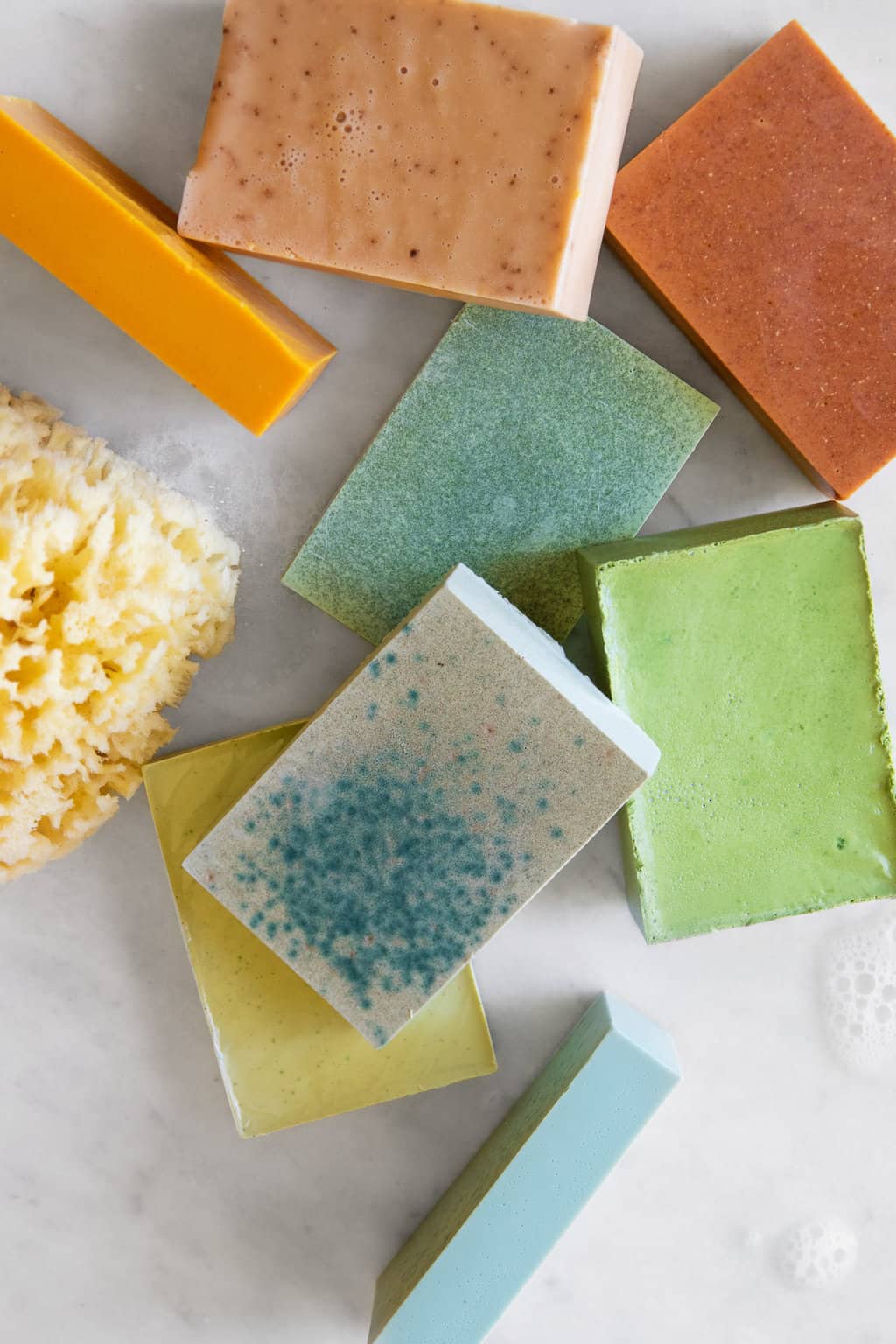
Image Source: helloglow.co
Choosing the Right Colorants for Your Soap
The colors in your soap come from special ingredients called colorants. These can be natural or synthetic. It’s important to pick cosmetic grade pigments that are approved for use on skin. Not all colors are made equal, and some can cause irritation or fade quickly.
Natural Soap Dyes
Many people love using natural soap dyes. These come from plants, minerals, and other natural sources. They often give softer, earthier tones.
-
Herbs and Spices:
- Turmeric: Gives a bright yellow to orange color.
- Paprika: Creates shades of orange and red.
- Annatto Seed: Yields yellow to orange hues.
- Alkanet Root: Produces purples and pinks.
- Madder Root: Offers red and pink tones.
- Indigo: Provides beautiful blues.
- Chlorophyll (from plants): Gives green colors.
-
Clays:
- Kaolin Clay (White): Can be used as a base or to lighten other colors.
- Rose Clay: A gentle pink or rosy hue.
- Redmond Clay: A reddish-brown color.
- Bentonite Clay: Can add greyish tones.
-
Other Natural Colorants:
- Cocoa Powder: For brown and chocolatey shades.
- Activated Charcoal: Creates a deep black or grey.
- Sifted Botanicals (like lavender buds, calendula petals): Can be added for visual appeal and subtle color.
Pros of Natural Dyes:
* Often seen as healthier and more “pure.”
* Can provide unique, subtle color variations.
* Good for sensitive skin.
Cons of Natural Dyes:
* Colors may be less vibrant.
* Can fade over time, especially with sun exposure.
* Some may change color during the saponification process (when lye and oils react).
* Can sometimes affect the scent of the soap.
Synthetic Colorants
Synthetic colorants are made in a lab. They are very popular in soap making because they are reliable and offer bright, bold colors.
-
Mica Powder Soap:
Mica powder soap colorants are very popular. Mica is a natural mineral that is ground into a fine powder. For soap making, it is often coated with cosmetic grade pigments to create vibrant colors. Mica powders are known for their shimmer and sparkle.-
Types of Mica:
- Matte Mica: No sparkle.
- Shimmer Mica: A subtle sheen.
- Sparkle Mica: Visible glitter particles.
- Pearl Mica: A pearly, iridescent finish.
-
Using Mica: Mica powders can be mixed into your soap batter. Some soap makers like to “micaslide” them, meaning they sprinkle them onto the top of the soap before it hardens for a marbled effect. Mica is generally stable in cold process soap.
-
-
Oxide Colorants Soap:
Oxide colorants soap refers to pigments made from iron oxides. These are inorganic compounds that are very stable and offer a wide range of colors, including reds, yellows, browns, and blacks. They are also known for their opacity.-
Common Oxides:
- Red Iron Oxide: Deep reds.
- Yellow Iron Oxide: Bright yellows.
- Black Iron Oxide: Black or dark grey.
- Brown Iron Oxide: Various shades of brown.
-
Using Oxides: Oxides need to be dispersed properly. They can be mixed with a little water, rubbing alcohol, or glycerin before adding to the soap batter. This helps prevent speckling. They are generally stable and colorfast.
-
-
Ultramarine Pigments:
Ultramarine pigments are mineral-based and come in blues, pinks, violets, and greens. They are generally stable in soap but can sometimes shift color in highly alkaline (high pH) soap. It’s best to use them in cold process soap where the pH is controlled.- Colors: Primarily blues, but also available in pinks and violets.
- Note: Avoid using ultramarines in melt-and-pour soap bases that are very clear, as they may sink to the bottom.
-
Chromium Oxide Greens: These provide stable, true green colors.
-
Dioxides:
Titanium dioxide soap is used to make soap white and opaque. Titanium dioxide is a white powder that is safe for cosmetic use. It’s essential for achieving bright, pastel colors. Without it, dark oils or certain colorants can make your soap look muddy.- How to Use Titanium Dioxide: It needs to be dispersed in a liquid (like distilled water, glycerin, or rubbing alcohol) before adding to the soap batter to prevent clumping.
-
Liquid Soap Colorants:
For liquid soap, liquid soap colorants are the easiest to use. These are specifically designed for liquid soap bases. They are usually water-based or alcohol-based.- Types: Often synthetic dyes, but some natural liquid options are available.
- Ease of Use: Simply add drop by drop until you reach the desired shade.
Food Coloring in Homemade Soap
Food coloring homemade soap is something many beginners consider. While technically possible, it’s generally not recommended for long-term use.
-
Why it’s not ideal:
- Fading: Food colors are designed to be eaten, not to withstand the alkalinity of soap or UV light. They tend to fade quickly in soap.
- Bleeding: Colors can bleed into each other or wash out easily.
- Staining: Some food dyes can stain skin or washcloths.
- Not Designed for Soap: They aren’t formulated to be stable in soap making.
If you absolutely must use food coloring for a temporary project or a specific effect where longevity isn’t a concern, use “oil-based” or “gel-based” food colorings, as they tend to be a bit more stable than liquid ones. Always test first.
How to Add Color to Your Soap
The method of adding color depends on the type of soap you are making: cold process, hot process, or melt and pour.
Cold Process Soap Making
Cold process soap involves mixing lye (sodium hydroxide) with oils and fats. The saponification process happens over time.
Best Colorants for Cold Process:
* Mica powders
* Oxide pigments
* Ultramarine pigments (with caution for pH sensitivity)
* Natural powders (clays, herbs)
* Dispersed titanium dioxide for white or pastels
Adding Color:
1. Prepare your colorants: Mix mica or oxides with a small amount of carrier oil (like sweet almond oil or olive oil), rubbing alcohol, or glycerin. This helps them disperse evenly and prevents speckling. For powders like titanium dioxide soap, mix with a bit of water or alcohol.
2. When to add: Add colorants at “trace.” Trace is when the soap batter has thickened enough that when you lift your whisk or spatula, the batter that falls back onto the surface leaves a visible trail.
3. Mixing: Stir the colorant mixture into your soap batter. You can add different colors to separate portions of batter for multi-colored swirls.
4. Swirling: Use a chopstick, skewer, or spatula to create swirls and patterns.
Tips for Cold Process:
* Test: Always test your colors in a small batch first.
* Accelerated Trace: Some additives (like sugar or certain fragrances) can speed up trace, making it harder to work with colors.
* Dispersing is Key: Ensure all pigments are well-dispersed.
* Color Change: Be aware that colors can shift during the saponification process. Reds can sometimes turn orange or brown. Blues might turn a bit greenish.
Melt and Pour Soap Making
Melt and pour soap bases are pre-made. You simply melt the base, add color and fragrance, and pour into molds. This is the easiest method for beginners.
Best Colorants for Melt and Pour:
* Mica powders (highly recommended for shimmer and color intensity)
* Liquid soap colorants (specifically formulated for melt and pour)
* Dispersed titanium dioxide for opaque white
* Some cosmetic-grade liquid dyes
Adding Color:
1. Melt the base: Cut the soap base into small cubes and melt it gently in a double boiler or microwave. Avoid overheating.
2. Add color: Stir in your chosen colorant. Mica powders can be added directly, or you can mix them with a bit of rubbing alcohol first for a smoother finish. Liquid liquid soap colorants can be added drop by drop.
3. Stir well: Ensure the color is evenly distributed.
4. Pour: Pour the colored soap into your molds.
Tips for Melt and Pour:
* Less is More: Start with a small amount of colorant and add more if needed.
* Overheating: Don’t overheat the base, as it can become cloudy or break down.
* Mica Settling: In clear bases, mica can sometimes settle. Adding a little mica to rubbing alcohol before adding it to the melted soap can help prevent this.
Hot Process Soap Making
Hot process soap is similar to cold process but is cooked after mixing to speed up saponification.
Best Colorants for Hot Process:
* Similar to cold process, but colors tend to be more stable as saponification is complete.
* Mica powders
* Oxide pigments
* Natural powders
Adding Color:
* Colors are typically added towards the end of the cooking process or after the soap has cooled slightly but is still pliable.
Safety First: What You Need to Know
When working with soap making colorants, safety is paramount. Always use ingredients that are specifically approved for cosmetic use.
Understanding Lye Safety
Lye (sodium hydroxide) is a caustic substance. It’s essential to handle it with extreme care, always wearing gloves, eye protection, and long sleeves. Work in a well-ventilated area. Never add water to lye; always add lye to water slowly.
Cosmetic Grade vs. Non-Cosmetic Grade
- Cosmetic Grade: These colorants have been tested and approved for use on skin. They are safe for soaps, lotions, and other personal care products. This applies to mica powder soap, cosmetic grade pigments, liquid soap colorants, titanium dioxide soap, ultramarine pigments, and oxide colorants soap.
- Non-Cosmetic Grade: These include craft glitters, some industrial pigments, and even some food colorings. They are not tested for skin safety and can cause irritation or allergic reactions.
Regulatory Standards
In many countries, colorants used in cosmetics must meet specific standards set by regulatory bodies (like the FDA in the United States). Ensure your colorants are labeled as cosmetic-grade and meet these standards.
Testing Your Colorants
Before adding a new colorant to a large batch of soap, it’s wise to do a small test.
1. Mix a small amount of soap batter or melt and pour base.
2. Add a tiny bit of your colorant.
3. Observe how it behaves. Does it mix well? Does the color look as expected? Let it cure or cool completely to see the final result.
Color Stability and Interaction
- pH Sensitivity: Some colors, particularly ultramarines and some natural dyes, can change color in a highly alkaline environment. Cold process soap is alkaline until it cures.
- Heat Sensitivity: While most cosmetic colorants are heat stable, extremely high temperatures or prolonged cooking (in hot process) can sometimes affect certain colors.
- Fragrance Oils: Some fragrance oils can interact with colorants, causing them to fade or change color. Always check product descriptions for any known interactions.
- Scents: Some strong fragrance oils can mask subtle natural colors.
Colorants by Soap Type: A Quick Reference
| Colorant Type | Cold Process Soap | Melt & Pour Soap | Liquid Soap | Notes |
|---|---|---|---|---|
| Mica Powders | Excellent | Excellent | Not recommended | Shimmery, sparkly; needs dispersing. |
| Oxide Colorants | Excellent | Excellent | Not recommended | Opaque, stable; needs dispersing. |
| Ultramarine Pigments | Good | Good | Not recommended | Can shift color in high pH; blues, pinks, violets. |
| Titanium Dioxide | Excellent | Excellent | N/A (for opacity) | Makes soap white/opaque; needs dispersing. |
| Natural Powders/Clays | Good | Good | Not recommended | Earthy tones; can be less vibrant; may affect scent/texture. |
| Water-Based Liquid Dyes | Not recommended | Good | Excellent | Specifically for liquid soap; can fade in bar soap. |
| Oil-Based Liquid Dyes | Possible (test) | Good | Not recommended | More stable than water-based in bar soap, but still prone to fading. |
| Food Coloring | Not Recommended | Not Recommended | Not recommended | Prone to fading, bleeding, and staining. |
Achieving Specific Colors and Effects
- Bright Whites & Pastels: Use titanium dioxide soap dispersed in your base. This provides a bright white canvas. Then add small amounts of other colorants to achieve pastel shades.
- Deep Blacks: Use activated charcoal powder or black iron oxide pigment. Ensure they are well-dispersed.
- Vibrant Blues: Ultramarine blues are a good choice, but be mindful of pH sensitivity. Cosmetic-grade synthetic blues are also available and are very stable.
- Rich Reds: Red iron oxide is a good option. Some reds can morph to orange or brown, so testing is key. Using a base color of titanium dioxide can help maintain vibrancy.
- Earthy Tones: Utilize natural soap making colorants like clays, cocoa powder, and spices.
- Shimmer and Sparkle: Mica powder soap is your go-to for these effects. Use different grades of mica for varying levels of shine.
- Layering Colors: In melt and pour, you can pour layers of different colors. In cold process, you can carefully pour different colored batters on top of each other or create swirls.
Frequently Asked Questions (FAQ)
Q: Can I use mica powder in cold process soap?
A: Yes, mica powder soap colorants are excellent for cold process soap. They are stable and provide beautiful colors and shimmer. Remember to disperse them in a liquid before adding to the soap batter.
Q: What is the safest way to color homemade soap?
A: The safest way is to use cosmetic grade pigments that are specifically approved for use in soap and cosmetics. This includes mica powders, oxides, and approved cosmetic dyes. Always check that your colorants are labeled as safe for skin.
Q: Will food coloring work in my homemade soap?
A: While you can use food coloring homemade soap, it is generally not recommended for permanent or vibrant results. Food colors tend to fade quickly in soap due to the chemical process and exposure to light.
Q: How do I make my soap opaque?
A: To make soap opaque, you use titanium dioxide soap. It’s a white pigment that is dispersed into the soap batter to create a solid, non-transparent look, essential for pastel colors.
Q: What are ultramarine pigments used for in soap?
A: Ultramarine pigments provide blues, pinks, and violets. They are generally stable but can sometimes shift color in highly alkaline soap, so they are best used with caution in cold process soap.
Q: Are oxide colorants safe for soap?
A: Yes, oxide colorants soap are safe and stable. They are mineral-based pigments that offer a wide range of opaque colors like reds, yellows, browns, and blacks.
Q: What are the best colorants for liquid soap?
A: For liquid soap colorants, it’s best to use liquid dyes specifically formulated for liquid soaps. These are typically water or alcohol-based and mix easily into the soap base without affecting its consistency.
Q: How much colorant should I use?
A: The amount of colorant needed varies greatly depending on the type of colorant and the desired intensity. Always start with a small amount, add more gradually, and refer to the manufacturer’s recommended usage rates. A general guideline for micas and oxides is 1 teaspoon of dispersed colorant per pound of oils in cold process, but this can vary.
Q: Can fragrance oils change the color of my soap?
A: Yes, some fragrance oils can cause color changes in soap. For example, vanilla-scented oils can sometimes turn soap brown over time. It’s always a good idea to research your fragrance oils or test them with your chosen colorants.
Q: My soap colors look different after curing. Why?
A: Colors can change during the saponification process and as the soap cures. This is due to the chemical reactions and the change in pH. Testing colors in small batches before making a large batch is the best way to anticipate these changes. Natural colorants are especially prone to color shifts.
Making soap is an art, and coloring it is a significant part of that art. By choosing the right soap making colorants, understanding how to use them safely, and testing your results, you can create beautiful, vibrant, and safe soaps every time. Enjoy the colorful journey of soap making!