
Can you safely remove a tooth at home? While the idea of DIY tooth removal might seem appealing, especially when faced with a painful or problematic tooth and limited access to dental care, it’s crucial to understand that at-home tooth extraction carries significant risks. This guide aims to provide information on the topic, but it strongly advises against attempting this yourself due to the potential for serious complications. It is always best to consult a qualified dental professional for any tooth extraction needs.
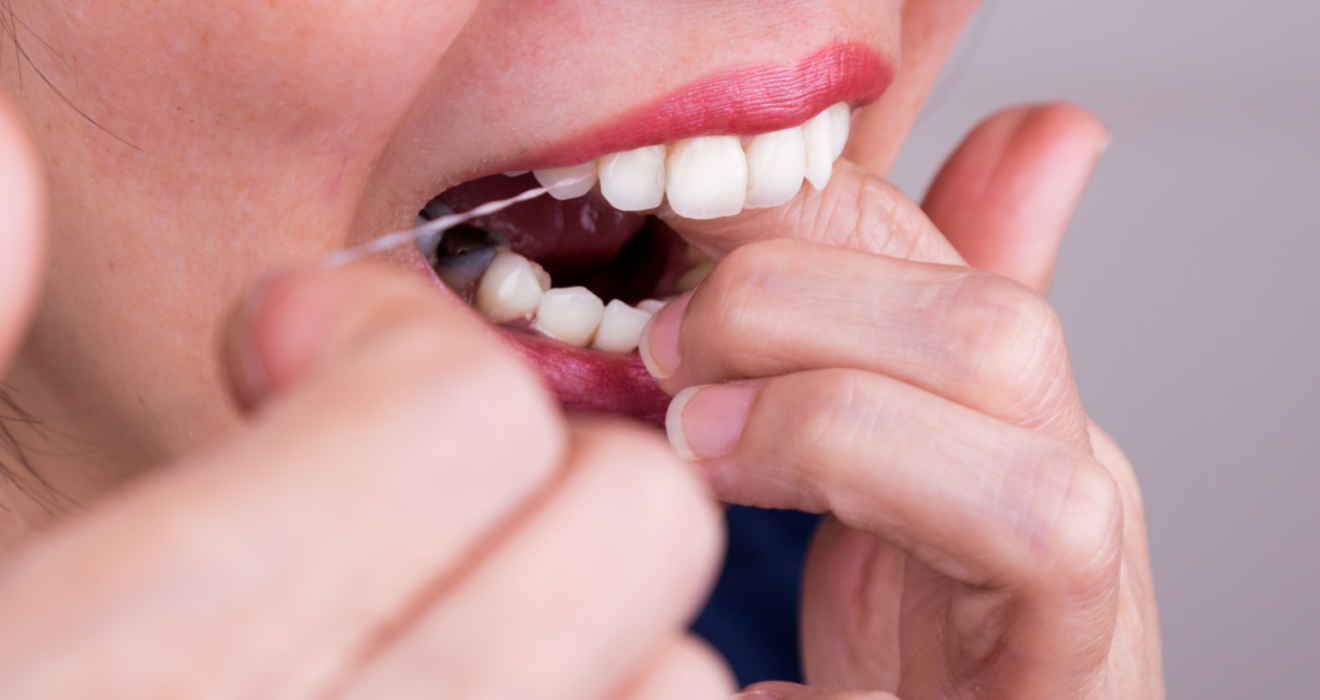
Image Source: smiletowndentalclinic.com
Why People Consider DIY Tooth Extraction
Life happens, and sometimes dental emergencies strike when professional help isn’t immediately available. For a loose tooth that’s causing discomfort, or a tooth that feels like it’s on its last leg, the temptation to perform a self tooth extraction can be strong. Common reasons people consider this approach include:
- Cost: Dental procedures can be expensive, and for individuals without dental insurance or with limited funds, the cost of a professional extraction can be a significant barrier.
- Accessibility: In rural areas or places with fewer dentists, getting an appointment can be difficult and time-consuming.
- Fear of Dentists: Dental phobia is a real condition that prevents many people from seeking necessary treatment.
- Perceived Simplicity: For a tooth that is already very loose and appears ready to fall out, some might believe pulling a tooth yourself is a straightforward process.
- Urgency: Severe tooth pain can be unbearable, leading people to seek immediate relief, even if it means resorting to home methods.
Risks Associated with At-Home Tooth Extraction
Before we delve into any methods that might be discussed in popular media or online forums, it is vital to highlight the significant dangers involved in at-home tooth extraction. The mouth is a delicate ecosystem, and improper handling can lead to severe and lasting health problems.
Severe Infection
The mouth contains millions of bacteria. Without sterile equipment and a controlled environment, introducing these bacteria deeper into the gum tissue can cause serious infections. These infections can spread to the jawbone, surrounding tissues, and even into the bloodstream (sepsis), which can be life-threatening.
Excessive Bleeding
Teeth are held in place by blood vessels and nerves. Attempting to pull a tooth without proper technique can cause significant bleeding. While minor bleeding is expected during a professional extraction, uncontrolled bleeding at home can lead to anemia or shock.
Damage to Surrounding Teeth and Gums
The force required for an untrained individual to extract a tooth can easily damage adjacent healthy teeth, the gums, and the bone structure supporting them. This can lead to further pain, instability of other teeth, and long-term dental problems.
Incomplete Extraction
The root of the tooth might break off during a DIY attempt, leaving a fragment embedded in the jawbone. This retained root fragment can become a source of chronic infection and pain, often requiring surgical removal by a dentist.
Nerve Damage
The nerves in the mouth are intricate. Applying excessive force or using the wrong tools can lead to nerve damage, potentially causing numbness, tingling, or chronic pain in the lips, chin, or tongue.
Jaw Fracture
In rare but severe cases, particularly with attempts to extract molars, the force applied can be enough to fracture the jawbone.
Post-operative Complications
Without the sterile environment and post-operative care provided by a dentist, the risk of dry socket (a painful condition where the blood clot dislodges from the socket) or other healing complications is much higher.
When is a Tooth “Ready” for Extraction (And When to Seek Professional Help Immediately)?
Some teeth, like baby teeth that are very loose, might seem like candidates for removing a loose tooth at home. However, even with baby teeth, professional guidance is best. For adult teeth, the decision to extract is usually made by a dentist based on x-rays and a thorough examination.
Signs that a tooth needs professional attention and extraction includes:
- Severe and persistent toothache.
- Swelling in the gums or face.
- Pain when biting down.
- Chipped or cracked teeth that are causing pain.
- Teeth that are loose due to gum disease or injury.
- Wisdom teeth that are impacted or causing pain.
If you experience any of these symptoms, especially if accompanied by fever, difficulty swallowing, or a bad taste in your mouth that doesn’t go away, seek immediate dental or medical attention. These could be signs of a serious infection.
Comprehending Methods Discussed for At-Home Extraction (and why they are NOT recommended)
Despite the risks, information about DIY tooth removal persists. It’s important to acknowledge these methods exist but to reinforce that they are extremely dangerous. This section is purely informational to highlight the dangers, NOT to provide instructions.
Commonly Mentioned (and Dangerous) DIY Techniques:
- Using Pliers or Forceps: Some sources suggest using household pliers or even specialized but unsterilised tooth removal kits bought online. These tools are designed for specific purposes and not for oral surgery. The force and angle required are difficult to judge, leading to the risks mentioned above.
- Using String or Wire: The idea of tying string or wire around a loose tooth and pulling is another commonly discussed home remedy. This method offers very little control, can easily cut into the gums, and is unlikely to be effective without causing significant trauma. It also carries a high risk of infection if the string isn’t sterile.
- The “Twisting” Method: Some believe gently twisting a loose tooth can help it detach. While a tooth that is already extremely loose might eventually come out this way, applying too much force or doing it incorrectly can still cause damage and pain.
- Using Over-the-Counter Pain Relievers: While pain relievers can manage discomfort, they do not address the underlying problem and can mask symptoms of a more serious issue, potentially delaying professional help.
Natural Tooth Extraction?
The concept of natural tooth extraction often refers to the body’s natural shedding of baby teeth. For adult teeth, there is no “natural” way to extract them at home safely. Any method attempting to force an adult tooth out carries inherent risks.
What to Do Instead of Attempting DIY Extraction
If you are experiencing tooth pain or have a tooth that you believe needs to be removed, here are the safe and responsible steps to take:
1. Contact a Dentist Immediately
This is the most important step. Even if you are uninsured or have financial concerns, many dental schools and community clinics offer lower-cost options. Emergency dental services are also available for severe pain or trauma.
2. Manage Pain and Swelling Safely
While waiting for professional help, you can manage symptoms with:
- Cold Compress: Apply a cold pack to the outside of your cheek in the affected area for 15-20 minutes at a time. This can help reduce swelling and numb the pain.
- Saltwater Rinse: Mix 1/2 teaspoon of salt in a glass of warm water and rinse your mouth gently. This can help clean the area and reduce inflammation.
- Over-the-Counter Pain Relievers: Ibuprofen or acetaminophen can help manage pain. Follow the dosage instructions on the package carefully. Do not place aspirin directly on the tooth or gums, as this can cause chemical burns.
3. What If It’s an Accidental Tooth Extraction?
In the rare event of an accidental tooth extraction (e.g., a blow to the mouth causes a tooth to be knocked out), immediate action is crucial to increase the chances of reimplantation.
- Retrieve the Tooth: If you find the tooth, handle it by the crown (the visible part), not the root.
- Keep it Moist:
- The best option is to place the tooth back into its socket in your mouth (if possible and not causing more pain or bleeding).
- If that’s not feasible, place it in a glass of milk.
- If milk isn’t available, place it in a saline solution or your own saliva. Do not store it in plain water, as this can damage the root.
- Seek Immediate Dental Care: Time is critical for reimplantation. Get to a dentist or emergency room as quickly as possible.
The Tooth Removal Kit Myth
You might see tooth removal kits advertised online, promising a safe and easy way to extract teeth at home. It’s essential to understand that these kits are generally not designed for safe use by untrained individuals. They often contain tools similar to those used by dentists but lack the sterility, precision, and the critical understanding of anatomy required for safe extraction. Relying on such a kit without professional dental training significantly increases the risk of complications.
Painful Tooth Removal Home Remedies: A Disclaimer
While some may seek painful tooth removal home remedies, it’s vital to reiterate that these are rarely effective and often dangerous. The goal should always be to alleviate pain and seek professional treatment, not to perform the extraction itself at home. Any remedy that involves forceful manipulation or unsanitary practices should be avoided.
Frequently Asked Questions (FAQ)
Can I pull out a very loose tooth myself?
Even if a tooth is very loose, attempting to pull it yourself carries risks. You could fracture the root, cause significant bleeding, damage surrounding teeth and gums, or introduce infection. It is always best to have a dentist assess the situation and perform the extraction.
What should I do if my tooth is bothering me?
If your tooth is bothering you, the first step is to contact a dentist. While waiting for your appointment, you can rinse with warm salt water and take over-the-counter pain relievers as directed. Avoid chewing on that side of your mouth and maintain good oral hygiene in the surrounding areas.
Is it safe to use pliers from a DIY kit to remove a tooth?
No, it is not safe. DIY kits may provide tools, but they do not provide the necessary training, sterile environment, or knowledge of dental anatomy required for safe tooth extraction. Using such tools yourself can lead to serious injury.
What if a tooth breaks and part of it is left behind?
If a tooth breaks and a piece of the root remains, it’s crucial to see a dentist immediately. A retained root fragment can become infected and cause ongoing pain and complications. A dentist will be able to remove it safely.
How can I make a loose tooth fall out faster naturally?
While baby teeth naturally fall out, there’s no safe way to “make” an adult tooth fall out faster at home. Gentle wiggling might help a very loose baby tooth, but any forceful action is risky. Patience and professional dental care are the best approaches for adult teeth.
Conclusion
The desire for DIY tooth removal is often born out of necessity or frustration. However, the risks associated with at-home tooth extraction far outweigh any perceived benefits. From severe infections and uncontrolled bleeding to permanent nerve damage and jaw fractures, the potential for harm is immense.
Your oral health is a vital part of your overall well-being. When faced with a dental issue requiring extraction, prioritize your health and safety by seeking professional dental care. A qualified dentist has the training, sterile equipment, and understanding of the complex anatomy of the mouth to perform extractions safely and effectively, minimizing pain and preventing complications. Don’t take chances with your health; consult a dental professional for all your tooth extraction needs.