
Image Source: blockbusters.co.uk
How To Get Rid Of Bad Smell In Kitchen Sink Fast
A bad smell from your kitchen sink is a common problem that can be caused by a variety of factors, including food debris, grease buildup, and bacteria. Can I remove the smell naturally? Yes, many natural methods can effectively tackle sink drain odor.
The kitchen sink is the workhorse of your culinary space. From washing dishes to rinsing produce, it sees a lot of action. But sometimes, this hard-working fixture can start to emit an unpleasant odor, leaving you wondering, “Why does my kitchen sink smell?” The sink pipe smell often originates from the build-up of gunk and grime within the drain and the trap below. This organic matter decomposes, releasing foul-smelling gases. Fortunately, there are many effective ways to combat this, ranging from simple DIY solutions to specialized products designed for kitchen drain cleaning. Let’s dive into how to banish those bad smells and restore freshness to your kitchen.
Fathoming The Source Of Sink Drain Odor
Before you can effectively get rid of a bad smell in the kitchen sink, it’s crucial to understand where it’s coming from. The usual culprits are:
- Food Scraps and Grease: Small pieces of food, fats, oils, and grease that go down the drain can accumulate. They stick to the pipes and the inside of the sink trap, creating a perfect breeding ground for bacteria. As these particles decompose, they release sulfurous compounds that cause that characteristic rotten egg or sewage smell.
- Bacteria and Mold Growth: The moist environment within your sink pipes is ideal for bacteria and mold. When food particles and soap scum provide them with a food source, they multiply rapidly, contributing significantly to the sink pipe smell.
- Dirty Garbage Disposal: If you have a garbage disposal, food particles can get stuck in its grinding chamber or under the rubber splash guard. Even after grinding, some residue can remain, leading to a garbage disposal smell that often infiltrates the sink.
- Clogged Drains: Partially clogged drains trap water and debris, accelerating decomposition and odor production.
- Dry P-Trap: The P-trap is the curved section of pipe under your sink. It’s designed to hold water, creating a seal that prevents sewer gases from entering your home. If the sink isn’t used regularly, the water in the trap can evaporate, breaking the seal and allowing sewer smells to escape.
Simple & Natural Solutions For a Fresh Kitchen Sink
You don’t always need harsh chemicals to tackle a smelly sink. Many effective kitchen sink deodorizer options can be found right in your pantry. These natural methods are also environmentally friendly and safer for your plumbing.
Baking Soda and Vinegar: The Dynamic Duo
This classic cleaning combination is a powerhouse for deodorizing and cleaning your sink pipes.
How it works: Baking soda is a mild alkali that neutralizes acids and absorbs odors. Vinegar is acidic and helps to break down grease and grime. When combined, they create a fizzing reaction that can help loosen debris and kill bacteria.
Steps:
- Pour Baking Soda: Start by pouring about half a cup of baking soda directly down the drain.
- Add Vinegar: Follow with about one cup of white vinegar. You’ll hear a fizzing sound as they react.
- Let it Sit: Cover the drain immediately with a stopper or a damp cloth to keep the fizzing action concentrated in the pipes. Let it sit for at least 15-30 minutes, or even longer for tougher smells.
- Flush with Hot Water: After the time is up, pour a kettle of boiling water down the drain. This helps to flush away the loosened debris and any remaining residue.
Tip: For an extra boost, you can add a few drops of lemon or orange essential oil to the baking soda before adding the vinegar. This adds a pleasant scent and the citrus oils have natural degreasing properties.
Boiling Water Flush
Sometimes, the simplest solution is the most effective. A regular flush with boiling water can help to melt away grease and kill some odor-causing bacteria.
Steps:
- Boil Water: Boil a full kettle or pot of water.
- Pour Slowly: Carefully and slowly pour the boiling water directly down the drain.
- Repeat if Needed: You might need to do this a few times a week, especially if you notice the smell returning.
Caution: While effective, be mindful if you have PVC pipes. Very frequent flushing with boiling water might degrade the pipes over time. It’s generally safe, but moderation is key.
Lemon Power
Lemons are fantastic for their natural acidity and refreshing scent. They can cut through grease and leave your sink smelling wonderfully fresh.
How to Use:
- Lemon Rinds: Cut a lemon into halves or quarters. Place them down the garbage disposal (if you have one) and run it with cold water. The abrasive texture of the rinds, combined with the lemon oil, can scrub the disposal blades and pipes clean.
- Lemon Juice: Pour about half a cup of fresh lemon juice down the drain, let it sit for about 30 minutes, and then flush with hot water.
Salt and Baking Soda Scrub
This abrasive scrub can help to physically remove gunk from the sink basin and potentially the upper parts of the drain.
Steps:
- Mix: Combine half a cup of salt with half a cup of baking soda.
- Apply: Sprinkle the mixture liberally around the sink basin and down the drain opening.
- Scrub: Use a damp sponge or brush to scrub the sink and the drain.
- Rinse: Rinse thoroughly with hot water.
Cream of Tartar Treatment
Cream of tartar, a powdery acid, is excellent for removing stains and deodorizing.
Steps:
- Mix: Mix 2 tablespoons of cream of tartar with a small amount of water to form a paste.
- Apply: Apply this paste to the sink drain and surrounding areas.
- Scrub: Gently scrub with a sponge.
- Rinse: Rinse well with warm water.
Specialized Kitchen Sink Deodorizer Options
If natural methods don’t completely solve the problem, or if you’re looking for a more potent solution, there are specialized products available.
Enzyme Cleaners
These cleaners use natural enzymes to break down organic waste, grease, and food particles. They are generally considered safe for most plumbing systems and are a good option for regular maintenance.
How they work: Enzymes “eat” the organic matter clogging your pipes, effectively digesting the source of the odor.
Usage: Follow the product instructions, which usually involve pouring a specific amount down the drain and letting it work overnight.
Commercial Drain Cleaners
While effective, commercial drain cleaners often contain harsh chemicals like lye or sulfuric acid. These can be very effective at dissolving clogs and built-up grime but should be used with caution.
When to Use: Reserve these for stubborn clogs or persistent odors that natural methods can’t touch.
Precautions:
- Ventilation: Ensure good ventilation in your kitchen.
- Protective Gear: Wear gloves and eye protection.
- Read Instructions: Always read and follow the manufacturer’s instructions carefully.
- Never Mix: Never mix different drain cleaner products, as this can create dangerous fumes.
- Avoid If Garbage Disposal: Some strong chemical cleaners can damage garbage disposal components. Check your disposal’s manual.
Sink Trap Cleaning
The smelly sink trap, also known as the P-trap, is a common hiding place for odor-causing debris. Cleaning it directly can be very effective.
Steps:
- Prepare: Place a bucket or large bowl directly underneath the P-trap to catch any water or debris.
- Loosen: Use adjustable pliers or a pipe wrench to carefully loosen the slip nuts on either side of the P-trap.
- Remove: Gently slide the P-trap out. Be prepared for water to drain into the bucket.
- Clean: Empty the contents of the trap into the bucket. Use a brush (an old toothbrush works well) and warm, soapy water to scrub the inside of the trap clean.
- Reassemble: Reattach the P-trap, making sure the slip nuts are tightened securely but not overtightened, which could crack the plastic.
- Test: Run water into the sink for a minute or two to check for leaks.
Sink Maintenance Tips for Long-Term Freshness
Preventing odors is often easier than removing them. Implementing these sink maintenance tips can keep your kitchen sink smelling fresh and functioning optimally.
Avoid Putting Certain Items Down the Drain
This is perhaps the most critical step in preventing sink drain odor. Certain items are notorious for causing clogs and smells.
- Grease, Fats, and Oils: Never pour these down the sink. They solidify in pipes and attract other debris. Wipe greasy pans with paper towels before washing, or pour cooled grease into a disposable container and throw it away.
- Coffee Grounds: While seemingly harmless, coffee grounds don’t dissolve and can accumulate, creating blockages.
- Eggshells: The membrane inside eggshells can cling to pipes and attract other waste.
- Fibrous Foods: Celery, corn husks, asparagus, and artichokes have stringy fibers that can wrap around disposal blades and clog pipes.
- Starchy Foods: Rice and pasta can expand and create sticky masses in the pipes.
- Bones and Fruit Pits: These are too hard for most disposals and can cause damage or blockages.
- Chemicals: Harsh chemicals like paint thinner or motor oil should never be poured down the drain.
Regular Cleaning Routine
Make sink cleaning a part of your daily or weekly routine.
- Daily Rinse: After washing dishes, run hot water for about 30 seconds to help flush away any lingering particles and grease.
- Weekly Deodorizing: Use the baking soda and vinegar method or a boiling water flush once a week to keep pipes clean and odor-free.
Use Your Garbage Disposal Correctly
If you have a garbage disposal, follow these guidelines to prevent garbage disposal smell:
- Run Cold Water: Always run cold water before, during, and after using the disposal. Cold water helps solidify grease so it can be chopped up and flushed away, rather than coating the pipes.
- Don’t Overload: Feed food waste into the disposal gradually.
- Avoid “Flush and Forget”: Don’t just turn it on and walk away. Ensure everything is ground and flushed properly.
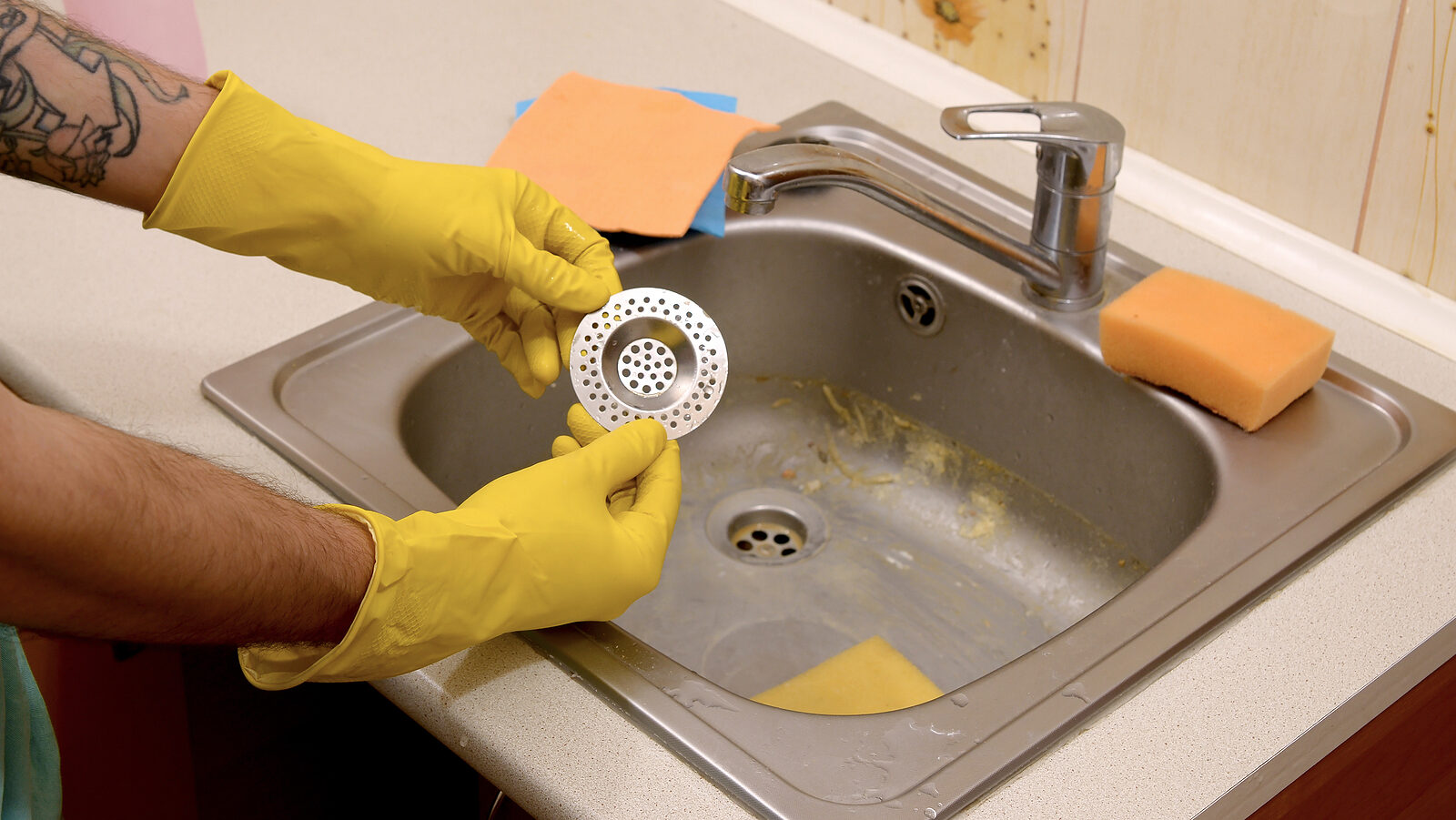
Clean the Sink Stopper and Strainer
The sink stopper and strainer can trap food particles and become quite grimy, contributing to odors.
Steps:
- Remove: Pull the stopper out.
- Scrub: Clean it thoroughly with a brush and soapy water, or even use a baking soda paste.
- Rinse: Rinse well and replace.
Check for Leaks
A slow leak under the sink can create a damp environment where mold and mildew can thrive, leading to musty smells. Periodically check the pipes and connections for any signs of moisture.
Troubleshooting Persistent Smells
What if you’ve tried everything and the sink still smells? Sometimes, the issue might be more complex or require a professional touch.
The Drain Cleaner Recipe That Works Wonders (DIY Version)
While not a “recipe” in the traditional sense, combining the power of baking soda, vinegar, and salt offers a potent DIY drain cleaner recipe for tackling odors and minor clogs.
Ingredients:
- 1/2 cup Baking Soda
- 1 cup White Vinegar
- 1/2 cup Salt
- Boiling Water
Method:
- Pour the salt into the drain.
- Add the baking soda on top of the salt.
- Slowly pour the vinegar over the baking soda and salt mixture.
- Allow the fizzing reaction to occur for about 15-20 minutes.
- Pour boiling water down the drain to flush it all away.
This is an excellent way to remove sink smell naturally and effectively.
When to Call a Plumber
If you’ve exhausted all these options and the sink drain odor persists, it might be time to call a professional plumber. They can:
- Inspect the Vent Pipe: A blocked vent pipe can cause sewer gases to back up into your home, often manifesting as a sink smell.
- Diagnose Deeper Issues: There might be a problem with the main drain line or a more significant blockage further down the system.
- Clean Complex Blockages: Plumbers have specialized tools like drain snakes or hydro-jetting equipment to clear stubborn clogs.
Summary of Sink Maintenance Tips
Here’s a quick recap of how to keep your kitchen sink smelling fresh:
| Maintenance Task | Frequency | Key Benefit |
|---|---|---|
| Baking Soda & Vinegar Flush | Weekly | Deodorizes, cleans pipes |
| Boiling Water Flush | 2-3 times/week | Melts grease, kills bacteria |
| Clean Sink Stopper | Weekly | Removes food debris and odor sources |
| Avoid Drain Contaminants | Always | Prevents clogs and grease buildup |
| Use Disposal Correctly | Daily | Prevents garbage disposal smell |
| Check for Leaks | Monthly | Prevents mold and mildew growth |
| P-Trap Cleaning | Every 6 months | Removes accumulated sludge and odors |
Frequently Asked Questions About Smelly Kitchen Sinks
Q1: What is the fastest way to get rid of a bad smell in the kitchen sink?
A: The fastest natural method is often the baking soda and vinegar treatment followed by a boiling water flush. For a quicker, though less natural, approach, a commercial drain cleaner specifically designed for odors can work rapidly.
Q2: Can I use bleach to clean my kitchen sink drain?
A: While bleach can kill bacteria, it’s not recommended for regular use in drains, especially if you have a septic system or older pipes. It doesn’t effectively break down grease and food debris, and frequent use can damage plumbing over time. Baking soda and vinegar are safer alternatives.
Q3: Why does my kitchen sink smell like rotten eggs?
A: The rotten egg smell is typically due to hydrogen sulfide gas, which is produced when organic matter, particularly sulfur-rich food waste, decomposes in an anaerobic (oxygen-deprived) environment within your pipes or the smelly sink trap.
Q4: Is it safe to use drain cleaner recipes I find online?
A: Many DIY drain cleaner recipes are safe and effective, particularly those involving baking soda, vinegar, and hot water. However, always exercise caution with any chemical mixtures. Avoid combining products not meant to be mixed, and ensure good ventilation. Stick to reputable sources for recipes.
Q5: How often should I clean my kitchen drain pipes?
A: For optimal results and to prevent odors, it’s a good idea to perform a deodorizing flush (like baking soda and vinegar) at least once a week. More intensive cleaning, such as cleaning the P-trap, can be done every 3-6 months, or as needed if odors return. Good sink maintenance tips are key to avoiding frequent deep cleans.
By understanding the causes and employing these effective methods, you can successfully get rid of bad smells in your kitchen sink and maintain a fresh, clean-smelling kitchen. Regular cleaning and mindful disposal habits are your best defense against persistent sink drain odor.