
Can you keep raccoons out of your garden? Yes, you can! By using a combination of physical barriers, repellents, and deterrents, you can effectively protect your plants from these opportunistic visitors. Preventing raccoon damage requires a multi-faceted approach, and this guide will equip you with the knowledge to achieve successful wildlife exclusion from your garden.
Raccoons, with their masked faces and dexterous paws, are undeniably cute, but they can wreak havoc on a well-tended garden. From feasting on ripe tomatoes and strawberries to digging up bulbs and even raiding compost bins, these nocturnal foragers can turn your horticultural efforts into a frustrating mess. Fortunately, you don’t have to resort to drastic measures to protect your precious plants. This in-depth guide explores a variety of effective tips for keeping raccoons out of your garden, focusing on humane and practical solutions for controlling raccoons in your backyard.
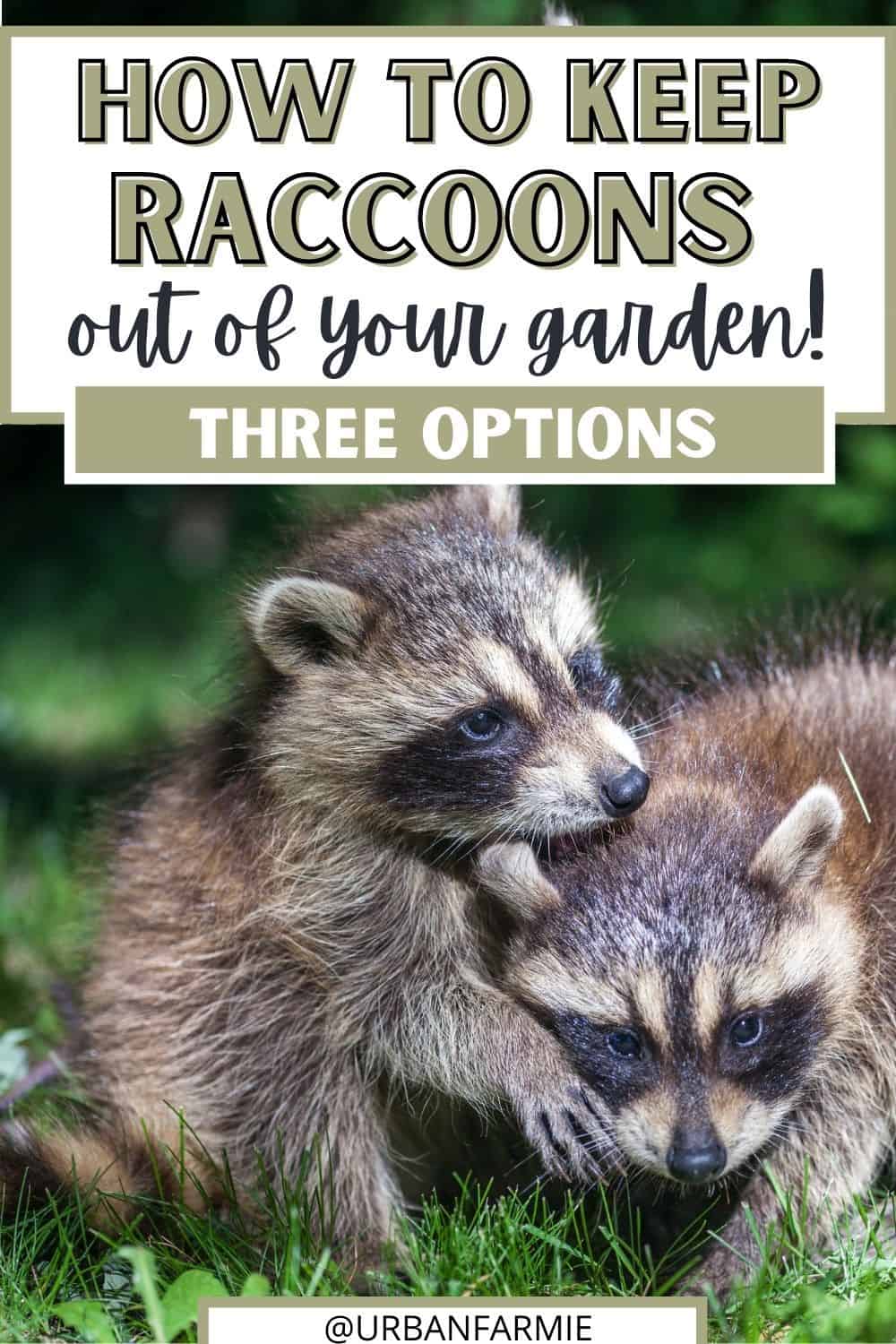
Image Source: urbanfarmie.com
Why Raccoons Love Your Garden
Before we delve into how to keep raccoons out, it’s helpful to grasp why your garden is such an attractive buffet for them. Raccoons are omnivores with a varied diet, and gardens offer a smorgasbord of delights.
- Food Sources: Raccoons are attracted to the bounty your garden provides. Ripe fruits, vegetables, berries, and even pet food left outdoors are easy meals. They also enjoy insects, grubs, and earthworms found in the soil, which they uncover through digging.
- Water Sources: Proximity to water can also be a draw, especially during dry periods. Bird baths, ponds, or even puddles can make your garden a desirable location.
- Shelter: Raccoons are adaptable creatures and will seek shelter in quiet, undisturbed areas. Overgrown bushes, woodpiles, sheds, or under decks can provide them with a safe place to rest during the day.
Comprehensive Strategies for Raccoon Exclusion
Keeping raccoons out of your garden requires a consistent and layered approach. What works for one gardener might need tweaking for another, so be prepared to experiment with different methods.
1. Secure Your Garden with Effective Fencing
One of the most reliable methods for preventing raccoon damage is through robust garden fencing. This acts as a physical barrier, making it difficult for raccoons to access your plants.
Types of Fencing and Their Effectiveness
- Hardware Cloth or Chicken Wire Fencing: This is a popular choice for smaller gardens or specific beds.
- Height: Aim for a fence that is at least 3 to 4 feet tall. Raccoons are surprisingly good climbers, so height is crucial.
- Burial: Raccoons are diggers. Bury the bottom of the fence at least 10-12 inches into the ground. This prevents them from burrowing underneath.
- Outward Lope: For extra security, bend the top 12 inches of the fence outward at a 45-degree angle. This makes it harder for raccoons to get a grip and climb over.
- Mesh Size: Ensure the mesh openings are no larger than 1 inch to prevent raccoons from squeezing through.
- Electric Fencing: While this might sound extreme, electric fencing can be a very effective and humane raccoon repellent.
- How it Works: A low-voltage electric current delivers a mild shock to any animal that touches it, teaching them to avoid the area without causing serious harm.
- Placement: Typically, two or three strands are placed at different heights around the perimeter of your garden. The lowest strand should be about 4-6 inches off the ground, with subsequent strands placed 6-8 inches apart.
- Considerations: This method requires proper installation and maintenance to ensure it’s effective and safe for all wildlife. It’s a good option if other methods fail and you want a more permanent solution for wildlife exclusion from your garden.
DIY Raccoon Barriers and Reinforcements
- Reinforcing Existing Fences: If you have existing fencing, consider reinforcing it with hardware cloth at the base. This is a simple DIY raccoon barrier that addresses their digging habits.
- Wire Mesh Skirts: For raised garden beds, you can create wire mesh skirts that extend outwards and downwards from the base to deter climbers.
2. Implementing Humane Raccoon Deterrents
Humane raccoon deterrents work by making your garden less appealing or by startling them, encouraging them to seek food and shelter elsewhere.
Scent-Based Deterrents
Raccoons have a keen sense of smell, and certain odors can be off-putting to them.
- Raccoon Repellent Sprays: Commercially available raccoon repellent sprays often contain natural ingredients like castor oil, garlic oil, or predatory animal urine (coyote or fox). Reapplication is usually necessary, especially after rain.
- DIY Scent Deterrents:
- Ammonia-Soaked Rags: Place rags soaked in ammonia around the perimeter of your garden. The smell mimics urine and can deter raccoons.
- Cayenne Pepper or Chili Powder: Sprinkle cayenne pepper or hot pepper flakes around plants. While not a true repellent, it can make their food sources unpleasant. Be mindful that this can also irritate beneficial insects and pets.
- Garlic and Onion: Planting garlic and onions around your garden can also act as a natural deterrent due to their strong smells.
Taste-Based Deterrents
Similar to scent deterrents, altering the taste of your produce can make them unappealing.
- Bitter Sprays: Commercial or DIY sprays with bittering agents can be applied to fruits and vegetables. Raccoons will likely sample them and move on if the taste is unpleasant.
Auditory and Visual Deterrents
Raccoons can be easily startled by noise and sudden movements.
- Motion-Activated Sprinklers: These devices detect movement and emit a burst of water, startling raccoons and teaching them to avoid the area. This is a highly effective humane raccoon deterrent.
- Wind Chimes and Noisy Objects: Hanging wind chimes, tin cans, or other noisy items around your garden can create vibrations and sounds that may deter raccoons, especially during the night.
- Scarecrows and Reflective Objects: While often depicted in cartoons, traditional scarecrows can have limited effectiveness. However, shiny objects like old CDs, aluminum foil strips, or reflective tape can catch the light and create unsettling movements that might keep raccoons at bay.
- Motion-Activated Lights: Bright lights that switch on when movement is detected can disorient and scare away nocturnal animals like raccoons.
3. Managing Your Backyard to Discourage Raccoons
Controlling raccoons in your backyard also involves making your entire property less inviting to them.
Eliminating Food Sources
The most crucial step in preventing raccoon damage is to remove attractants.
- Secure Trash Cans: Use sturdy trash cans with tight-fitting lids, preferably those designed to be animal-proof. Store them in a shed or garage until trash collection day.
- Clean Up Fallen Fruit: Don’t leave fallen fruit from trees in your yard to rot; this is a prime food source.
- Pet Food: Never leave pet food outdoors overnight. Feed your pets indoors or collect bowls immediately after they’ve eaten.
- Compost Bins: Ensure your compost bin is raccoon-proof. A sturdy, enclosed bin with a secure lid is essential. Avoid adding meat scraps or dairy products to your compost.
Removing Shelter and Water Sources
- Seal Entry Points: Inspect your home, sheds, garages, and decks for any openings raccoons might use for shelter. Seal these with sturdy materials like metal sheeting or hardware cloth.
- Clear Debris: Remove clutter, woodpiles, and dense vegetation near your garden that can provide hiding places.
- Address Water: Empty bird baths when not in use, or elevate them to make them less accessible. Fix leaky outdoor faucets.
4. Natural Ways of Deterring Raccoons
Many gardeners prefer to use methods that are as natural as possible. Fortunately, there are several ways to deter raccoons naturally.
- Planting Repellent Plants: Certain plants have scents that raccoons dislike. Consider planting:
- Onions
- Garlic
- Mint
- Marigolds
- Peppermint
- Certain herbs like rosemary and thyme.
- The Power of Predators: Raccoons are prey animals. Introducing scents that mimic their predators can be a potent raccoon repellent.
- Predator Urine: You can purchase coyote or fox urine granules or sprays from garden supply stores. Scatter these around your garden perimeter.
- Hair: Some gardeners report success by scattering human or pet hair (from dogs, especially) around the garden. The scent can be a deterrent.
5. Raccoon Proofing Garden Elements
Beyond general garden protection, individual garden elements can also be made raccoon-proof.
- Raised Beds: If using raised beds, ensure they are constructed with sturdy materials and that any access points are secured, especially if they are hollow.
- Protecting Individual Plants: For particularly valuable or vulnerable plants, consider using individual cages made of hardware cloth.
6. When to Consider Professional Help and Safe Removal
If your raccoon problem persists despite your best efforts, or if you suspect raccoons are nesting under your property, it may be time to consider professional help.
- Wildlife Removal Services: Professional wildlife exclusion services can safely and humanely trap and relocate raccoons. They can also identify and seal entry points, providing long-term solutions.
- Humane Trapping: If you choose to trap raccoons yourself, ensure you use a live trap and follow local regulations. Check local animal control or wildlife agencies for guidelines on live trapping and relocation. Remember that a trapped animal can be stressed and potentially aggressive.
- Relocation Considerations: Relocating raccoons is not always a permanent solution, as new raccoons may move into the vacated territory. Moreover, relocated animals may struggle to adapt to a new environment. The focus should always be on making your garden and property unwelcoming.
Best Practices for Raccoon Control in Backyard
To successfully control raccoons in your backyard, consistency is key.
- Year-Round Vigilance: Raccoons are present throughout the year. While their activity might vary with the seasons, maintaining your deterrents and secure practices is essential.
- Observe and Adapt: Pay attention to when and how raccoons are entering your garden. Are they digging, climbing, or breaking through barriers? This observation will help you refine your approach.
- Combine Methods: The most effective strategy often involves combining several methods. For example, using fencing along with scent deterrents can be more powerful than either method alone.
Table: Common Raccoon Deterrents and Their Effectiveness
| Deterrent Type | Method of Action | Effectiveness | Notes |
|---|---|---|---|
| Fencing | Physical Barrier | High | Must be tall, buried, and ideally have an outward slope. |
| Electric Fence | Mild Shock | Very High | Humane and effective; requires proper installation. |
| Motion Sprinklers | Sudden Water Spray | High | Startles raccoons, teaching them to avoid the area. |
| Predator Urine | Scent of Predators | Moderate to High | Needs regular reapplication, especially after rain. |
| Ammonia/Garlic | Strong Scents | Moderate | Can be effective but requires frequent reapplication. |
| Noise Makers | Startle/Disorient | Variable | Effectiveness can diminish as raccoons get used to them. |
| Bright Lights | Startle/Disorient | Moderate | Best used with motion activation for nighttime deterrence. |
| Secured Trash/Food | Eliminates Food Source | Very High | Crucial for overall raccoon management. |
Frequently Asked Questions (FAQ)
Q1: What is the most effective raccoon repellent?
A: The most effective raccoon repellent is typically a combination of methods, with sturdy, well-installed fencing (like hardware cloth buried deep with an outward slope) being paramount. For deterrents, motion-activated sprinklers and the scent of predator urine are often highly effective. Eliminating food and shelter sources in your yard is also crucial.
Q2: Can I use lights to keep raccoons out of my garden?
Yes, motion-activated lights can be an effective way to deter raccoons. The sudden burst of light at night can startle them and make them feel exposed, prompting them to leave the area.
Q3: Are there any humane raccoon deterrents that are safe for pets?
Yes, many humane raccoon deterrents are safe for pets when used as directed. Motion-activated sprinklers are generally safe, as are visual deterrents like reflective objects. Scent deterrents like predator urine should be used with caution if you have pets that are sensitive to smells or might ingest them. Always follow product instructions and observe your pets’ reactions.
Q4: How deep do I need to bury my garden fence to stop raccoons?
To effectively stop raccoons from digging under your garden fence, you should bury the bottom of the fence at least 10 to 12 inches into the ground. This makes it significantly more difficult for them to tunnel beneath your barrier.
Q5: What is the best way to remove raccoons that are already in my garden?
The best way to remove raccoons already in your garden is to make the garden unappealing and use deterrents. If you need to physically remove them, consider safe raccoon removal methods such as live trapping, ensuring you follow local regulations and humane practices. Professional wildlife removal services are also a good option for safe and effective removal.
Q6: How can I prevent raccoons from damaging my newly planted bulbs?
To prevent raccoons from damaging newly planted bulbs, you can cover the planting area with hardware cloth or chicken wire for the first year. Burying bulbs at a greater depth can also help. You can also try scent deterrents like predator urine or castor oil around the bulb areas.
Q7: Are there any DIY raccoon barriers that actually work?
Yes, several DIY raccoon barriers can be effective. Building sturdy fences with hardware cloth, burying them, and adding an outward-angled top are excellent DIY solutions. Creating barriers around raised garden beds using wire mesh is another effective DIY method.
Q8: What are some good natural ways of deterring raccoons from my yard?
Natural ways of deterring raccoons include planting strong-smelling plants like garlic, onions, and mint around your garden. Scattering human or pet hair, or using predator urine granules, can also deter them. Maintaining a clean yard free of food sources and shelter is also a natural and highly effective approach to controlling raccoons in your backyard.
Q9: How can I make my trash cans raccoon-proof?
To make your trash cans raccoon-proof, use heavy-duty bins with secure, locking lids. Consider bungee cords or straps to further secure the lids. Store trash cans in a locked garage or shed until collection day whenever possible.
Q10: What is the purpose of wildlife exclusion from garden?
The purpose of wildlife exclusion from a garden is to protect your plants from damage caused by animals like raccoons, deer, rabbits, and other wildlife. It involves implementing strategies and barriers to prevent these animals from accessing and consuming or destroying your crops and ornamental plants.
By employing these comprehensive strategies, you can significantly reduce or eliminate raccoon activity in your garden, allowing your plants to thrive. Remember that patience and persistence are key when dealing with these persistent creatures.