
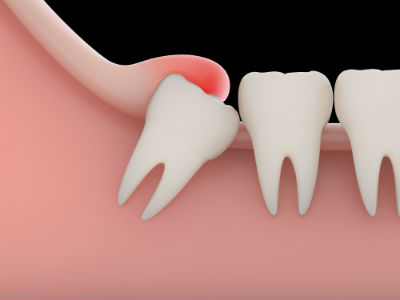
Image Source: www.delkovacevicdmd.com
How To Pull Out A Molar Tooth At Home Safely
Can you safely pull out a molar tooth at home? No, it is strongly advised against attempting to pull out a molar tooth at home. While the idea of DIY tooth extraction or self-extracted molar removal might seem appealing to avoid dental visits or costs, it is a very risky endeavor. The complexity of molar roots, the potential for severe complications, and the availability of safe, professional dental care make at-home tooth removal a practice that should be avoided entirely. This guide will delve into the reasons why this is ill-advised, explore the risks, and highlight the importance of professional dental intervention for any tooth-related issues.
The Dangers of DIY Molar Extraction
Attempting to pull out a molar tooth at home is a practice fraught with peril. Molar teeth are fundamentally different from front teeth. They have multiple roots, often with complex curvature, making them significantly harder to extract. Unlike a loose front tooth that might wobble with minimal effort, a molar requires substantial force and precise technique, which are simply not replicable in a home setting without proper training and tools.
Risks Involved in Amateur Tooth Removal
When you consider DIY molar extraction, you are stepping into a realm where minor issues can quickly escalate into major health problems. Here are some of the primary risks associated with pulling a tooth without a dentist:
- Infection: The oral cavity is teeming with bacteria. Without sterile equipment and proper aseptic techniques, introducing bacteria into an open wound can lead to serious infections. This can manifest as localized pain, swelling, and redness, or it can spread, causing more severe systemic issues like cellulitis or even sepsis in rare cases.
- Incomplete Extraction: Molar roots can be long, curved, or even fused. If you attempt to pull out a molar tooth at home, you might break off a root tip. This remaining root fragment can become a nidus for infection, causing persistent pain, abscess formation, and requiring more complex surgical removal by a dentist later.
- Damage to Surrounding Tissues: The force required for a DIY tooth extraction can easily damage the surrounding gums, jawbone, and even adjacent teeth. This can lead to increased pain, bleeding, and potential tooth loss for nearby healthy teeth.
- Excessive Bleeding: While some bleeding is expected after any tooth extraction, uncontrolled bleeding is a significant risk in a home setting. Without access to proper hemostatic agents or the knowledge to manage bleeding, you could face a dangerous hemorrhage.
- Jaw Fracture: Molar roots anchor deeply into the jawbone. Applying excessive force in an uncontrolled manner, especially if the tooth is not fully loose, can lead to a fracture of the alveolar bone or, in severe cases, the mandible itself.
- Nerve Damage: The nerves responsible for sensation in your lips, chin, and tongue run through the jawbone. Aggressive or misplaced force during a DIY molar extraction can inadvertently damage these nerves, leading to temporary or permanent numbness, tingling, or pain.
- Sinus Perforation: The roots of upper molars are located very close to the maxillary sinuses. If a tooth is pulled incorrectly, it can create an opening into the sinus cavity, leading to sinusitis or oroantral communication, which can be difficult to treat.
- Pain and Trauma: The experience of pulling out a molar at home is likely to be incredibly painful and traumatic, both physically and psychologically. The lack of appropriate anesthesia means you will experience the full intensity of the procedure.
Why Professional Dental Care is Crucial
The allure of “home dental remedies” or “natural tooth extraction” often stems from a desire to avoid the cost or perceived discomfort of professional dental care. However, the risks and potential consequences of at-home procedures far outweigh any perceived benefits. Dentists are highly trained professionals equipped with the necessary knowledge, sterile instruments, and anesthesia to perform extractions safely and effectively.
The Dentist’s Approach to Molar Extraction
A dentist will approach molar extraction with a multi-step process designed for safety and minimal patient discomfort:
- Diagnosis and Assessment: The dentist will first examine the tooth and surrounding area, often using X-rays. This helps them determine the tooth’s condition, the length and shape of its roots, and any potential complications.
- Anesthesia: Local anesthetic is administered to numb the area completely, ensuring the procedure is as pain-free as possible. In some cases, sedation might be offered for anxious patients.
- Luxation: The dentist uses specialized instruments called elevators to gently loosen the tooth by carefully rocking it back and forth. This breaks down the periodontal ligament that holds the tooth in place.
- Extraction: Once the tooth is sufficiently loosened, forceps are used to grip the crown and carefully remove the tooth from its socket. The technique used by a dentist is precise, leveraging the natural anatomy of the tooth and socket.
- Post-Extraction Care: After the tooth is removed, the dentist cleans the socket, checks for any bone fragments, and ensures proper hemostasis. They will provide instructions on how to care for the extraction site to promote healing and prevent infection, often prescribing pain medication or antibiotics if necessary.
Alternatives to Extraction
It’s important to remember that extraction is often a last resort. Many dental problems, even with molars, can be addressed with less invasive procedures. If you have a painful molar, it might be treatable with:
- Root Canal Therapy: This procedure can save a severely damaged or infected tooth by removing the infected pulp and sealing the root canals.
- Fillings: For decay that hasn’t reached the pulp, a simple filling can restore the tooth’s function and health.
- Crowns: If a tooth is weakened by decay or damage, a crown can protect it and restore its strength and appearance.
Examining the Flaws in DIY Molar Tooth Removal
Let’s consider why even the most well-intentioned attempts at DIY molar tooth removal are destined for failure and potential disaster. This is not a scenario where rudimentary skills or “primitive tooth extraction” methods are advisable.
Common Misconceptions About Tooth Loosening
Many people believe that if a tooth is “loose,” it’s ready to be pulled. While looseness is a sign of a problem, it doesn’t guarantee that the tooth can be safely removed at home.
- Degree of Looseness: A tooth can be loose due to gum disease, infection, or trauma. The underlying cause dictates the difficulty of extraction. A tooth that is only slightly mobile can still have strong, deeply embedded roots.
- Wiggling vs. Extraction: Wiggling a tooth with your finger or a tool might make it feel looser, but it does not prepare the tooth for removal in the way that professional luxation does. It can, however, cause pain and further damage.
The Myth of “Natural Tooth Extraction”
The term “natural tooth extraction” is misleading when applied to DIY attempts. True natural tooth extraction, in a biological sense, refers to the shedding of primary (baby) teeth. Adult teeth are meant to stay in place unless professionally removed or lost due to significant dental disease or trauma. There is no “natural” way for an adult to remove their own molar tooth safely without professional intervention.
Tools and Techniques for “Pulling a Tooth Without a Dentist”
When people consider pulling a tooth without a dentist, they often envision using makeshift tools. These could range from pliers from a toolbox to even more rudimentary implements.
- Inadequacy of Home Tools: Household pliers are not designed for dental use. They lack the specific shape and grip needed to engage the crown of a tooth securely without causing damage. They also aren’t sterile.
- Risk of Slippage: Home tools are prone to slipping from the tooth’s crown, leading to injuries to the gums, lips, cheeks, or even adjacent teeth.
- Lack of Leverage: Dental elevators provide specific angles and leverage points that dentists use to gently loosen teeth. Without these, brute force is often the only option for amateurs, which drastically increases the risk of complications.
At-Home Tooth Removal Kits: A Dangerous Proposition
While you might find some questionable “at-home tooth extraction kits” sold online, these are incredibly dangerous. They often contain crude instruments that mimic dental tools but lack the precision, sterility, and safety features. Relying on such kits is akin to performing surgery on yourself with unsterilized kitchen knives – the potential for harm is immense.
Practical Considerations and Why You Shouldn’t Try
If you are experiencing tooth pain or have a tooth that feels loose, the most responsible action is to seek professional dental help. Here’s why you should resist the temptation to attempt at-home procedures:
Financial Barriers and Solutions
It’s understandable that dental costs can be a concern. However, many options exist to make professional dental care more accessible:
- Dental Schools: Dental schools often offer services at significantly reduced costs, performed by supervised students.
- Community Health Clinics: Many communities have clinics that provide dental care on a sliding scale based on income.
- Payment Plans: Most dental offices offer payment plans or work with financing companies to spread out the cost of treatment.
- Dental Insurance: If you have dental insurance, it will likely cover a significant portion of extraction costs.
When to Seek Immediate Dental Care
Certain symptoms indicate a dental emergency that requires immediate professional attention:
- Severe, persistent toothache.
- Swelling in the face, jaw, or gums.
- Fever.
- Difficulty breathing or swallowing.
- Uncontrolled bleeding from the mouth.
These symptoms suggest a serious infection or complication that cannot be managed at home and could become life-threatening.
Frequently Asked Questions (FAQ)
Q1: Can I pull out a loose molar tooth with pliers if it’s really wobbly?
A1: No, even if a molar tooth feels very loose, attempting to pull it out with pliers at home is extremely dangerous. Molar roots are complex, and pliers are not sterile or designed for dental use. You risk breaking the tooth, causing severe bleeding, infection, jaw damage, or nerve injury. Always consult a dentist.
Q2: Are there any safe home remedies for removing a painful molar?
A2: While home remedies can help manage pain and swelling temporarily (like salt water rinses or cold compresses), there are no safe home remedies for actually removing a molar tooth. Any attempt at DIY tooth extraction is unsafe. For pain relief, see your dentist as soon as possible.
Q3: What if I can’t afford to see a dentist right away for a broken molar?
A3: If you have a broken molar and cannot afford immediate dental care, contact local dental schools, community health clinics, or look for dental practices that offer payment plans. In the meantime, focus on pain management with over-the-counter pain relievers and rinse your mouth with warm salt water. Do not attempt to remove the broken piece yourself.
Q4: Is it possible to do a natural tooth extraction at home?
A4: The concept of “natural tooth extraction” as a DIY method for adult teeth is a dangerous myth. Adult teeth are not designed to be naturally shed like baby teeth. Any attempt at pulling an adult tooth at home, even if it appears “natural” or is a “loose molar,” carries significant risks. Professional dental intervention is always necessary.
Q5: What are the risks of a DIY molar extraction if the tooth isn’t fully decayed?
A5: Even if a molar isn’t fully decayed, attempting a DIY extraction carries immense risks. The roots are still anchored in the bone. You could cause significant damage to the bone, surrounding teeth, nerves, and gums. Infection is also a major concern. Professional extraction is designed to minimize these risks.
Conclusion: Prioritize Your Health
The desire to take matters into your own hands when faced with dental issues is understandable, but when it comes to pulling out a molar tooth, the risks associated with DIY molar extraction are simply too high. The complexities of molar anatomy, the potential for severe complications like infection, bleeding, nerve damage, and jaw fractures, all underscore the absolute necessity of professional dental care. Embracing safe, modern dental practices and consulting with a qualified dentist is the only responsible way to address any concerns you have about your oral health. Remember, your health and well-being are paramount, and professional dental care is an investment in them.