
Can I remove lead paint myself, or should I hire a professional? While DIY lead paint removal is possible for small areas with proper precautions, significant damage or widespread presence of lead paint necessitates lead paint professional services to ensure safe lead paint abatement and proper lead paint remediation. The primary concern is to prevent the release of hazardous lead dust, which poses serious health risks, especially to children.
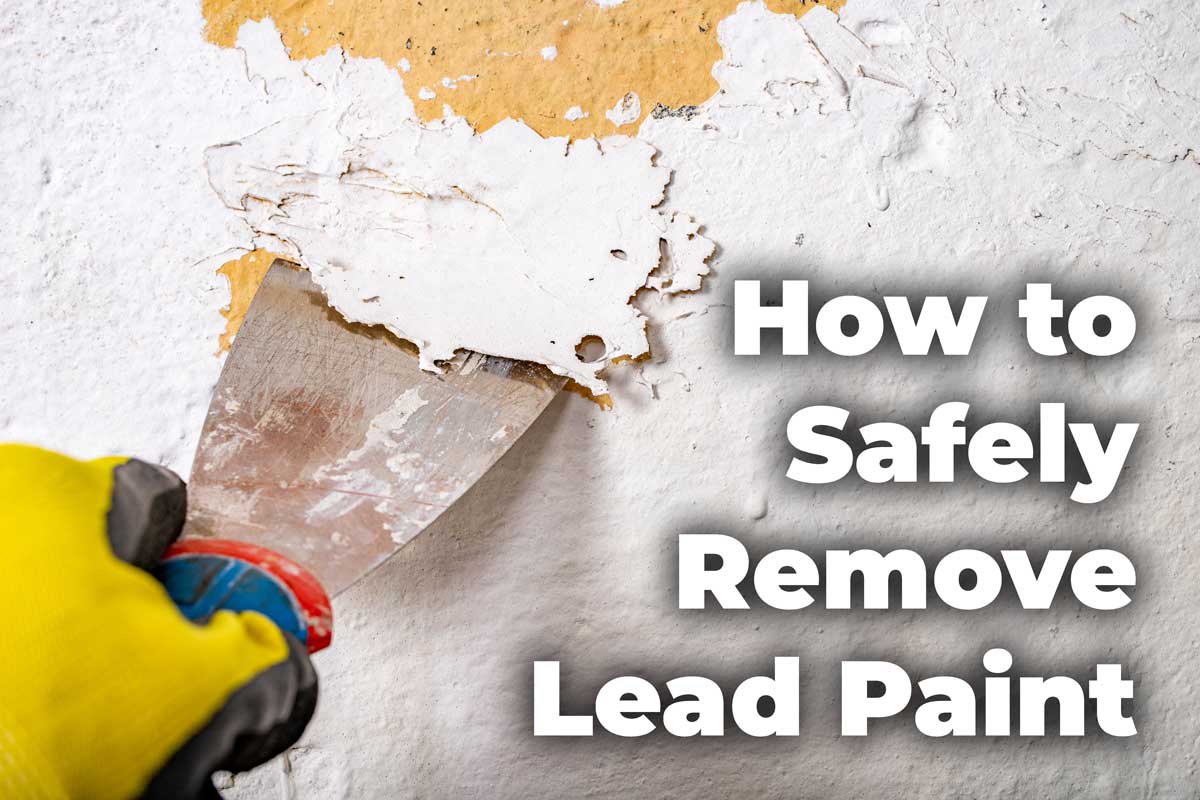
Image Source: herzogs.com
The Dangers of Lead Paint
Lead paint was commonly used in homes built before 1978. When lead paint deteriorates, it creates lead dust and chips, which can be easily inhaled or ingested. This exposure is particularly dangerous for young children and pregnant women. Lead poisoning can lead to a range of health problems, including developmental delays, learning disabilities, behavioral issues, and even brain damage. The lead paint hazards extend to adults as well, causing issues like high blood pressure, joint pain, and reproductive problems.
Health Risks Associated with Lead Exposure
- Children: Developmental delays, learning difficulties, behavioral problems, damage to the nervous system, kidney damage, and anemia.
- Adults: High blood pressure, headaches, abdominal pain, reproductive problems, and joint pain.
- Pregnant Women: Can pass lead to their unborn babies, leading to premature birth, low birth weight, and developmental issues in the infant.
When to Test for Lead Paint
Before undertaking any renovation or repair work, it’s crucial to determine if lead paint is present. Lead paint testing is the first and most important step. This can be done using lead test kits purchased from hardware stores, or by hiring a certified lead inspector or risk assessor. Professional testing provides more accurate results and can identify the extent of the problem.
Methods for Lead Paint Testing
- Home Test Kits: These kits use a chemical solution that changes color when it comes into contact with lead. While convenient for a quick check, they can sometimes produce false positives or negatives.
- X-Ray Fluorescence (XRF) Analyzers: This is a non-destructive method used by certified professionals. The XRF analyzer uses X-rays to detect lead on painted surfaces.
- Laboratory Analysis: Paint chip samples can be sent to an accredited laboratory for precise lead concentration testing. This is often the most accurate method.
Deciding Between DIY and Professional Lead Paint Remediation
The decision to tackle lead paint removal yourself or hire a professional depends on several factors, including the amount of lead paint, the condition of the paint, the size of the area, and your comfort level with hazardous material handling.
Factors to Consider for DIY Lead Paint Removal
- Area Size: Small areas with intact lead paint might be manageable for DIY if you are meticulous with containment and cleanup.
- Paint Condition: Intact lead paint that is not chipping or peeling is less of an immediate hazard than damaged paint.
- Your Skill Level: Are you comfortable with specialized containment procedures, using safety equipment, and proper cleanup?
- Available Resources: Do you have access to the necessary safety gear, containment materials, and approved disposal methods?
When to Hire Lead Paint Professional Services
- Extensive Lead Paint: If lead paint is present in multiple rooms or throughout the house.
- Damaged Paint: If the paint is chipping, peeling, or chalking, creating significant dust.
- Window and Door Replacements: These areas often have friction points that generate lead dust.
- Demolition Work: Any activity that will disturb lead paint requires professional handling.
- Lack of Confidence: If you are not confident in your ability to perform the work safely.
Safe Lead Paint Abatement Practices for DIYers
If you choose the DIY lead paint removal route, adherence to strict lead safe work practices is paramount. This is not a task to be taken lightly, and safety must be the top priority at all times.
Essential Safety Gear
- Respirator: A NIOSH-approved respirator with P100 filters is essential to prevent inhalation of lead dust. A half-mask respirator is suitable for most DIY projects, but a full-face respirator offers greater protection.
- Disposable Coveralls: Full-body coveralls with hoods and booties will protect your clothing and skin from contamination.
- Gloves: Chemical-resistant gloves to protect your hands.
- Eye Protection: Safety glasses or goggles to prevent dust from entering your eyes.
- Footwear: Rubber boots or disposable shoe covers that can be easily cleaned or discarded.
Containment Procedures
Containment is the most critical aspect of lead paint dust removal. It prevents lead dust from spreading to other parts of your home or to the outdoors.
- Seal Off the Work Area:
- Cover doorways and windows with plastic sheeting secured with tape.
- Turn off HVAC systems and cover vents to prevent dust circulation.
- Remove all furniture, carpets, and personal items from the work area. If items cannot be removed, cover them completely with plastic sheeting.
- Create a Decontamination Area: Set up a three-stage decontamination area outside the work zone:
- Stage 1 (Dirty): Remove coveralls and boots.
- Stage 2 (Wash): Wash hands and face.
- Stage 3 (Clean): Put on clean clothes before entering unaffected areas of the house.
Lead Paint Removal Methods
- Wet Scraping: This is the preferred method for DIYers. Wetting the paint surface with water or a wet cloth before scraping helps to suppress dust. Use a scraper that is designed to minimize dust creation.
- Chemical Strippers: These can be effective but require careful handling and good ventilation. Follow the manufacturer’s instructions precisely and ensure adequate respiratory protection.
- Heat Guns: While effective, heat guns can vaporize lead, creating invisible but highly toxic fumes. Their use is generally discouraged for DIY lead paint removal due to the high risk of fume inhalation.
Important Note: Never dry scrape or dry sand lead paint. These methods create the most hazardous airborne lead dust.
Lead Paint Encapsulation: An Alternative to Removal
Lead paint encapsulation involves covering lead-based paint with a special sealant to prevent it from chipping or peeling. This is often a less labor-intensive and less expensive option than lead paint abatement, but it’s crucial to understand its limitations.
Types of Encapsulation
- Bridging Encapsulants: These coatings are applied over the lead paint and create a durable film that seals in the lead. They are suitable for intact lead paint.
- Enclosing Encapsulants: These are rigid materials, like drywall or paneling, that are installed over the lead-painted surface. This is a more permanent solution but changes the surface of the wall.
When is Encapsulation Appropriate?
- When the lead paint is in good condition (not peeling or chipping).
- When the surface will not be subject to heavy wear or friction.
- As a temporary solution until full lead paint remediation can be performed.
Limitations of Encapsulation
Encapsulation does not remove the lead hazard; it only contains it. If the encapsulant is damaged, the lead paint underneath can still become a hazard. It’s also essential to use products specifically designed for lead paint encapsulation and to follow application instructions carefully.
Lead Paint Dust Removal and Cleanup
Proper lead paint dust removal and cleanup are as critical as the removal process itself. Residual lead dust can continue to pose a health risk long after the paint is gone.
Cleaning Procedures
- Wet Cleaning: Use damp cloths or mops to clean all surfaces, including floors, walls, and ceilings. Rinse the cloths frequently in a bucket of clean water.
- HEPA Vacuuming: Use a vacuum cleaner equipped with a High-Efficiency Particulate Air (HEPA) filter. Regular vacuums will simply blow lead dust around. Vacuum all surfaces, including floors, walls, furniture, and any crevices.
- Disposable Materials: All used cleaning materials, such as plastic sheeting, paper towels, and disposable wipes, should be carefully bagged, sealed, and disposed of as lead-contaminated waste.
- Final Inspection: After cleaning, a visual inspection should be done to ensure all dust and debris have been removed. Consider professional dust wipe testing for confirmation.
Safe Lead Paint Disposal
Proper lead paint disposal is a legal requirement and essential for preventing environmental contamination. Lead paint and contaminated materials are considered hazardous waste.
Disposal Guidelines
- Bagging: All debris, paint chips, and contaminated materials must be double-bagged in heavy-duty plastic bags (6-mil thickness recommended).
- Labeling: Seal the bags tightly and label them clearly as “Hazardous Waste – Contains Lead.”
- Local Regulations: Contact your local waste management authority or environmental protection agency to find out about approved disposal sites for lead-contaminated waste. Many municipalities have specific drop-off locations or require special handling. Never dispose of lead paint waste in regular household trash or down drains.
Professional Lead Paint Services: When and Why
For many homeowners, engaging lead paint professional services is the safest and most effective way to address lead paint issues. Certified professionals have the knowledge, equipment, and experience to conduct thorough lead paint testing, lead paint remediation, and ensure compliance with all regulations.
Benefits of Hiring Professionals
- Expertise: Certified professionals are trained in lead safe work practices, containment, removal, and cleanup.
- Safety: They utilize specialized equipment and follow strict protocols to protect workers and occupants.
- Efficiency: Professionals can often complete projects more quickly and effectively.
- Compliance: They ensure that all work is done in accordance with federal, state, and local regulations.
- Peace of Mind: Knowing the job is done correctly and safely provides significant peace of mind.
Finding a Certified Professional
- EPA Certification: Look for contractors certified by the U.S. Environmental Protection Agency (EPA) or your state’s environmental agency.
- Accreditation: Ensure they have accreditation for lead hazard evaluation and lead hazard renovation.
- References and Reviews: Ask for references and check online reviews.
- Insurance: Verify that the contractor carries adequate liability insurance and worker’s compensation.
Renovating and Repairing with Lead Paint Present
Even if you are not undertaking full lead paint abatement, any renovation or repair work that might disturb lead paint requires careful planning and adherence to lead safe work practices. This includes activities like replacing windows, doors, or making structural changes.
Small Repairs and Maintenance
For minor repairs to intact lead paint, the goal is to minimize dust generation.
- Wet methods: Lightly misting the area before making a cut or drill.
- Containment: Using plastic sheeting to block off the immediate work area.
- Cleanup: Thoroughly cleaning the area afterward with wet cloths and a HEPA vacuum.
Major Renovations and Demolition
If your project involves significant disturbance of lead paint, such as demolition or extensive repairs, professional lead paint remediation is strongly recommended. This ensures that the entire process, from containment to lead paint disposal, is handled correctly to prevent widespread contamination.
Lead Paint Encapsulation vs. Removal: A Comparison
| Feature | Lead Paint Encapsulation | Lead Paint Removal (Abatement) |
|---|---|---|
| Goal | Seal in lead paint to prevent exposure. | Physically remove lead paint and contaminated materials. |
| Cost | Generally less expensive. | Can be more expensive, especially for large areas. |
| Disruption | Less disruptive; doesn’t create as much dust. | Highly disruptive; generates significant hazardous dust. |
| Effectiveness | Effective if encapsulant remains intact. | Permanently eliminates the lead hazard from the surface. |
| Durability | Depends on the integrity of the encapsulant. | Long-lasting, as the hazard is removed. |
| Best For | Intact lead paint on surfaces not subject to wear. | Damaged lead paint, friction surfaces, demolition, or full remediation. |
| Professional Need | Can sometimes be a DIY project with careful planning. | Often requires certified professionals for safety and compliance. |
Lead Dust Removal: A Crucial Step in Remediation
Even after paint removal, the lingering presence of lead paint dust removal is critical. Dust can settle on every surface, and without thorough cleaning, the hazard remains. This is where meticulousness and the right tools make all the difference.
Post-Removal Cleaning Checklist
- Initial Sweep: Carefully sweep large debris into a dustpan.
- Wet Wiping: Use damp disposable cloths to wipe down all surfaces. Change cloths frequently.
- HEPA Vacuuming: Vacuum all floors, walls, ceilings, and fixtures.
- Window and Door Frames: These are high-friction areas and require extra attention for dust removal.
- HVAC Systems: Ensure air vents and filters are cleaned or replaced if they were in the work area.
- Personal Belongings: If items were not removed, they must be thoroughly cleaned or laundered.
FAQs About Lead Paint Removal
Q1: How do I know if I have lead paint?
A: The most reliable way to know is through lead paint testing. You can use home test kits for a preliminary check, but professional testing with XRF analyzers or laboratory analysis of paint chips provides definitive results.
Q2: Can I just paint over lead paint?
A: Painting over lead paint is an option called encapsulation if the paint is intact and not peeling. However, it’s crucial to use primers and paints specifically designed for lead paint encapsulation. If the paint is damaged, painting over it without proper preparation can trap lead dust and is not a long-term solution.
Q3: What are the risks of DIY lead paint removal?
A: The primary risk is the inhalation or ingestion of lead dust, which can cause lead poisoning. Without proper containment, respiratory protection, and cleaning procedures, you can contaminate your entire home and pose serious health risks to yourself and your family.
Q4: How much does professional lead paint remediation cost?
A: The cost varies significantly depending on the size of the area, the extent of lead paint presence, and the complexity of the work. For a single room, it might range from a few hundred dollars to a few thousand. For an entire house, costs can be much higher. Always get multiple quotes from certified professionals.
Q5: How long does lead paint abatement take?
A: The duration depends on the scope of the project. Small, contained areas might be completed in a day or two. Larger projects involving multiple rooms or the entire house, especially when including thorough lead paint dust removal and final clearance testing, can take several days to a week or more.
Q6: What is lead paint dust?
A: Lead paint dust is the fine, invisible powder created when lead-based paint deteriorates, is scraped, sanded, or otherwise disturbed. This dust is highly toxic when inhaled or ingested and is the primary pathway for lead poisoning.
Q7: Are there alternatives to lead paint removal?
A: Yes, lead paint encapsulation is a common alternative that seals the lead paint in place. However, it’s not a permanent solution if the encapsulant is damaged. For deteriorated lead paint, professional lead paint remediation is often the safest and most effective approach.
By carefully assessing the situation, understanding the risks, and employing the correct procedures, homeowners can effectively manage or eliminate lead paint hazards in their homes, ensuring a safer living environment for everyone.