
Can you remove slough from a wound at home? Yes, with proper knowledge and sterile supplies, you can often manage slough at home, but it’s crucial to know when to seek professional medical help. Slough is a common part of the wound healing process, but its presence can slow down healing and increase the risk of infection. This guide will walk you through the safe and effective methods for removing slough from wounds at home, focusing on wound cleaning and dead tissue removal.
Slough is typically a yellowish, stringy, or gelatinous material that forms on the surface of a wound. It’s made up of dead cells, fibrin, collagen, and inflammatory exudate. While it’s a natural part of healing, if left unchecked, it can create a barrier that hinders the growth of new, healthy granulation tissue, which is essential for wound closure. Understanding how to tackle this effectively is key to good wound care.
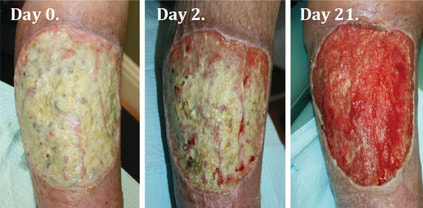
Image Source: www.enluxtra.com
Why Remove Slough?
Removing slough is important for several reasons:
- Promotes Healing: Slough acts as a physical barrier, preventing new cells from migrating across the wound bed. Removing it allows healthy tissue to grow.
- Reduces Infection Risk: Dead tissue is a breeding ground for bacteria. Removing slough helps to prevent or manage infection prevention.
- Improves Odor: Wounds with significant slough can sometimes develop an unpleasant odor.
- Facilitates Assessment: Clearer visibility of the wound bed allows for better assessment of healing progress.
What is Slough?
Slough is the non-viable, yellowish, or greyish tissue that often appears in wounds. It can be soft, stringy, or even firm and leathery. It’s not the same as eschar, which is typically black, dry, and leathery dead tissue. While both are non-viable, their appearance and management can differ.
When to Seek Professional Help
Before attempting necrotic tissue removal at home, it’s vital to recognize when a wound requires medical attention. Always consult a healthcare professional if:
- The wound is deep, large, or shows signs of significant bleeding.
- You suspect an infection (redness, increased pain, warmth, pus, fever).
- The wound is caused by a severe injury, animal bite, or puncture.
- You have underlying health conditions like diabetes or a compromised immune system that can affect healing.
- You are unsure about the type of wound or the best approach to its care.
- The slough is thick, hard, or black (eschar), which often requires more aggressive debridement techniques.
Safe Methods for Home Slough Removal
The goal of home slough removal is gentle debridement, which means carefully removing dead tissue. This is primarily achieved through mechanical and enzymatic methods, using readily available sterile supplies.
1. Mechanical Debridement
This method involves physically lifting or washing away the slough.
a) Using Gauze and Saline Solution
This is the most common and safest method for home use.
What You’ll Need:
- Sterile gauze pads: Look for individually wrapped, sterile gauze.
- Sterile saline solution: This can be purchased in sterile bottles or packets from pharmacies.
- Clean gloves: Non-latex gloves are often preferred.
- A clean surface: To place your supplies on.
- A waste bin: For used materials.
- A sterile dressing: For after cleaning.
Steps:
-
Preparation:
- Wash your hands thoroughly with soap and water.
- Put on clean gloves.
- Ensure your workspace is clean and free from clutter.
- Open the sterile gauze and saline solution packages, placing them on the clean surface without touching the sterile parts.
-
Wound Cleaning:
- Gently moisten a sterile gauze pad with the saline solution. It should be damp, not dripping.
- Starting from the center of the wound and moving outwards, gently wipe away any loose slough. Use a new piece of gauze for each swipe.
- Be patient. Avoid scrubbing or tearing at the slough. The aim is to lift away what is already loose.
- For thicker slough, you might need to let the moist gauze sit on the area for a few minutes to soften it before attempting to remove it.
-
Rinsing:
- After gently removing loose slough, you can use more saline-soaked gauze to rinse the wound bed.
-
Drying:
- Gently pat the area dry with a fresh, sterile gauze pad. Do not rub.
-
Dressing:
- Apply a suitable sterile dressing to protect the wound. The type of dressing will depend on the wound’s characteristics and your healthcare provider’s recommendations.
b) Hydrotherapy (Gentle Soaking)
For some wounds, gentle soaking can help soften and loosen slough.
What You’ll Need:
- Clean basin or tub.
- Saline solution or clean, warm water.
- Sterile gauze or clean, soft cloths.
- Sterile dressing.
- Clean gloves.
Steps:
-
Preparation:
- Wash hands and put on clean gloves.
- Fill a clean basin or tub with lukewarm water or a saline solution.
- Ensure the water temperature is comfortable and not too hot.
-
Soaking:
- Gently immerse the wound in the water for 10-20 minutes.
- During the soak, you can gently use a gauze pad to lift away any softened slough.
-
Post-Soaking Care:
- After soaking, gently pat the wound dry with a sterile gauze pad.
- Apply a fresh sterile dressing.
Important Note: Hydrotherapy is not suitable for all wounds, especially those with exposed bone or tendons, or if there’s a high risk of contamination. Consult your doctor before using this method.
2. Enzymatic Debridement
This involves using topical enzymes to break down dead tissue. These products are usually prescribed by a healthcare professional.
How it Works:
Enzymatic debriding agents contain enzymes that digest the non-viable tissue without harming healthy cells. They are typically applied directly to the wound, covered with a dressing, and left in place for a specific period (often 12-24 hours) before the slough is gently removed during wound cleaning.
What You’ll Need:
- Prescribed enzymatic debriding agent.
- Sterile gauze.
- Saline solution.
- Clean gloves.
- Sterile dressing.
Steps:
-
Preparation:
- Wash hands and put on clean gloves.
- Clean the wound gently with saline solution and gauze, as described in the mechanical debridement section.
- Apply the enzymatic agent as directed by the product instructions or your healthcare provider.
-
Application and Dressing:
- Cover the wound with the prescribed sterile dressing.
-
Regular Changes:
- Change the dressing and reapply the enzymatic agent as recommended, usually once or twice a day.
- At each dressing change, gently remove any slough that has been loosened by the enzymes using saline-soaked gauze.
Table 1: Comparison of Debridement Methods for Home Use
| Method | How it Works | Best For | Considerations |
|---|---|---|---|
| Mechanical (Gauze/Saline) | Physical removal of loose tissue. | Superficial slough, wounds with minimal debris. | Gentle technique is key; avoid force. |
| Hydrotherapy (Soaking) | Softens slough to aid removal. | Wounds where gentle softening is beneficial. | Not for all wounds; check with a doctor. Risk of contamination if not sterile. |
| Enzymatic Debridement | Uses topical enzymes to digest dead tissue. | Moderate to heavy slough, especially when mechanical methods are difficult. | Requires prescription; follow instructions precisely. |
Step-by-Step Wound Care Routine
A consistent and gentle wound care routine is crucial for effective slough management and overall healing.
Daily Wound Cleaning
- Hand Hygiene: Always start by washing your hands thoroughly.
- Glove Use: Wear clean, disposable gloves.
- Remove Old Dressing: Gently peel off the old sterile dressing. If it adheres to the wound, moisten it with saline solution to ease removal.
- Wound Assessment: Briefly examine the wound for any changes, such as increased redness, swelling, pus, or odor, which could indicate infection.
- Gentle Cleansing: Moisten sterile gauze with saline solution. Gently wipe the wound from the center outwards to remove any exudate or loosened slough. Use a new piece of gauze for each wipe.
- Drying: Gently pat the wound dry with a clean, sterile gauze pad.
- Apply New Dressing: Apply a clean, sterile dressing appropriate for the wound stage. This might be a simple gauze pad and tape, or a more advanced wound dressing.
Promoting a Healthy Wound Environment
- Moisture Balance: Wounds heal best in a moist environment, but not overly wet. The saline solution used for cleaning helps maintain this.
- Nutrition: A balanced diet rich in protein, vitamins (especially C and A), and minerals (like zinc) supports tissue repair and granulation tissue formation.
- Hydration: Staying well-hydrated is also important for overall health and healing.
- Pressure Relief: If the wound is a pressure ulcer, relieving pressure on the area is paramount.
What to Avoid During Slough Removal
To ensure safety and promote healing, there are several things you should strictly avoid:
- Scrubbing: Never scrub or rub the wound aggressively. This can damage delicate new tissue and increase pain.
- Harsh Chemicals: Avoid using iodine, hydrogen peroxide, or alcohol on the wound bed. While they are disinfectants, they can damage healing cells and slow down the process. Saline solution is the preferred cleansing agent.
- Sharp Instruments: Do not use scissors, tweezers, or any sharp objects to try and cut or pick at the slough. This is a job for medical professionals.
- Contaminated Materials: Always use sterile gauze, saline solution, and sterile dressings. Never reuse materials.
- Ignoring Signs of Infection: If you notice any signs of infection, do not try to manage it solely at home. Seek immediate medical attention.
- Over-hydration: While moisture is good, a wound that is too wet can lead to maceration (skin breakdown around the wound). Ensure the dressing is absorbent and changed when needed.
Recognizing Different Wound Stages and Slough
The appearance of slough can vary. It’s important to have a basic idea of what you are looking at to ensure you are using the correct wound care practices.
Wound Bed Characteristics
| Wound Bed Appearance | Likely Stage/Issue | Slough Appearance |
|---|---|---|
| Pink, moist, granular | Healthy granulation tissue formation. | Minimal or absent. |
| Yellowish, stringy | Early-stage slough. | Soft, often covers areas of granulation tissue or healthy pink tissue. |
| Thicker, grey/tan | More established slough. | Can be more adherent, appearing as a film or thicker layer. |
| Black, dry, leathery | Eschar (different from slough, but also non-viable tissue). | Not applicable, as eschar is a dry, hardened tissue. |
| Red, inflamed, swollen | Potential infection prevention issue. | Can be present alongside infection, but the primary concern is the infection itself. |
| Pus or foul odor | Likely infection prevention issue. | May be present, but indicates an active infection that requires medical intervention. |
When the wound bed is predominantly pink and granular with minimal slough, your focus should be on maintaining a moist environment and protecting the healing tissue with a sterile dressing. If slough is present but loose, gentle gauze and saline solution cleaning is appropriate. If the slough is thick and adherent, or if you’re dealing with eschar, it’s often best to let a healthcare professional handle the necrotic tissue removal.
Advanced Wound Dressings and Their Role
While simple gauze and tape are often sufficient, advanced wound dressings can significantly aid in slough removal and wound healing. These dressings are designed to manage exudate, maintain a moist environment, and sometimes contain agents that help soften or remove slough.
- Hydrocolloids: These dressings form a gel when they absorb exudate, creating a moist environment that can help soften slough. They are often left in place for several days.
- Hydrogels: These are water-based gels that provide moisture to the wound, which is excellent for softening dry or semi-dry slough. They are typically used on dry to moderately exuding wounds.
- Foam Dressings: Highly absorbent, foam dressings can manage moderate to heavy exudate, helping to keep the wound bed clean and moist. Some have saline-activated properties.
- Alginates: Derived from seaweed, alginates are highly absorbent and form a gel when they come into contact with wound exudate. This gel can help to loosen and remove slough. They are good for heavily exuding wounds.
- Silicone Dressings: These are generally used as a primary contact layer and are known for being gentle on the skin and granulation tissue, minimizing pain and trauma during dressing changes. They do not directly debride slough but protect the wound.
Table 2: Common Advanced Wound Dressings for Slough Management
| Dressing Type | Primary Function Related to Slough | Ideal Wound Condition |
|---|---|---|
| Hydrocolloid | Creates a moist environment that softens slough. | Wounds with light to moderate exudate. |
| Hydrogel | Provides moisture to soften dry slough and keeps wound bed moist. | Dry to lightly exuding wounds, or to soften dry slough. |
| Foam | Manages exudate and maintains a moist wound bed, which aids in the loosening of slough. | Moderate to heavily exuding wounds. |
| Alginate | Absorbs exudate and forms a gel that helps to loosen and lift away slough. | Heavily exuding wounds. |
Always consult your healthcare provider or a wound care specialist to determine the most appropriate dressing for your specific wound.
Frequently Asked Questions (FAQ)
Q1: How often should I change a wound dressing with slough?
A1: This depends on the amount of exudate and the type of dressing. Generally, simple gauze dressings may need changing daily, while some advanced dressings can be left on for 2-7 days. Follow your healthcare provider’s or product instructions.
Q2: Can I use honey for wound debridement?
A2: Medical-grade honey has antimicrobial and wound-healing properties and can sometimes help with dead tissue removal. However, it’s best used under the guidance of a healthcare professional, as not all honeys are suitable for wound care.
Q3: My wound smells bad. What should I do?
A3: An unpleasant odor can be a sign of infection. Clean the wound gently with saline solution and apply a sterile dressing, but it is crucial to contact your doctor immediately. They can assess the wound and prescribe appropriate treatment.
Q4: Will removing slough hurt?
A4: Gentle debridement should not be painful. If you experience significant pain, you might be pulling too hard, or there could be underlying issues like infection. Always be gentle, and if pain occurs, stop and consult a healthcare professional.
Q5: Is it always necessary to remove all slough?
A5: While it’s ideal to remove as much loose slough as possible to promote healing, some small amounts might be managed by the body if the wound is otherwise healthy. However, significant amounts will likely impede healing and should be addressed. Your healthcare provider can advise on the extent of necrotic tissue removal needed.
Conclusion
Managing slough in a wound at home is achievable with the right approach, emphasizing gentle wound cleaning and dead tissue removal. By using sterile supplies like gauze and saline solution, practicing good hygiene, and knowing when to seek professional advice, you can support your wound’s healing journey. Always prioritize infection prevention and consult your healthcare provider if you have any doubts or if the wound shows signs of complications. Consistent, careful wound care is key to helping your body reveal healthy granulation tissue and achieve closure.