
Can I make money as a professional organizer? Yes, you absolutely can! A home organizing business can be a rewarding and profitable venture. What is a home organizing business? It’s a service focused on helping individuals and families declutter, sort, and create functional, peaceful living spaces. Starting a home organizing business can seem daunting, but with a clear plan and consistent effort, you can build a successful small business startup. This guide will walk you through the essential steps to launch your own organizing services today.
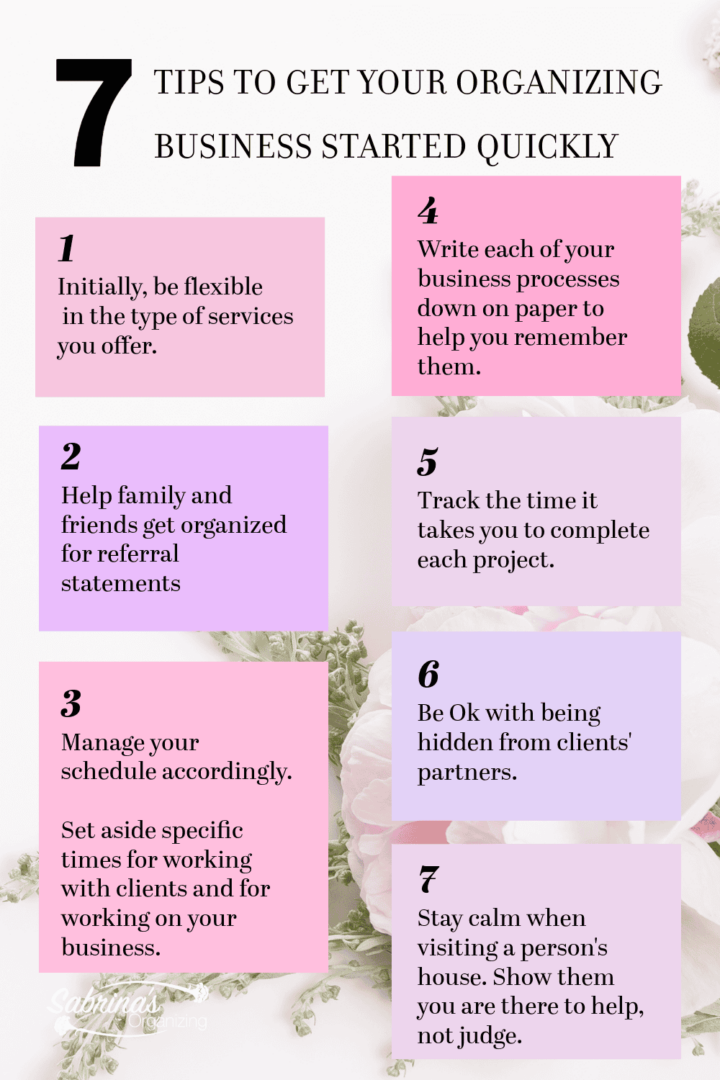
Image Source: sabrinasorganizing.com
Laying the Foundation: Your Business Blueprint
Before you even think about decluttering someone’s attic, you need a solid foundation for your business. This involves careful planning and strategizing.
Crafting Your Business Plan
A well-thought-out business plan is your roadmap to success. It forces you to think critically about every aspect of your venture.
Here’s what to include:
- Executive Summary: A brief overview of your business.
- Company Description: What your business is, its mission, and its vision.
- Services Offered: Detail the specific organizing services you will provide. This could range from general home decluttering to specialized areas like digital organization, moving assistance, or creating efficient home offices.
- Market Analysis: Who are your ideal clients? What is the demand for organizing services in your area? Who are your competitors?
- Marketing and Sales Strategy: How will you reach and attract clients?
- Management Team: Even if it’s just you, outline your skills and experience.
- Financial Projections: Startup costs, operating expenses, and revenue forecasts.
Defining Your Niche and Services
While many people need general help, specializing can set you apart. Consider these areas:
- General Home Organization: Closets, kitchens, garages, living spaces.
- Specialty Areas:
- Moving & Downsizing: Helping clients pack, unpack, and set up new homes.
- Digital Organization: Managing files, emails, and digital clutter.
- Paper Management: Creating filing systems for important documents.
- Senior Downsizing: Assisting older adults with transitioning to smaller homes or assisted living.
- New Parent Organization: Creating functional nurseries and managing baby supplies.
- Small Space Solutions: Maximizing living in apartments or compact homes.
Legalizing Your Venture
To operate legally, you’ll need to take a few administrative steps.
- Business Name: Choose a memorable and relevant name. Check if it’s available as a web domain and on social media.
- Register Your Business: Depending on your location, you may need to register your business name and structure (sole proprietorship, LLC, etc.).
- Obtain Necessary Licenses and Permits: Research local and state requirements.
- Business Bank Account: Keep your business finances separate from your personal ones.
- Insurance: General liability insurance is crucial to protect you in case of accidents.
Building Your Brand and Reaching Clients
Once your business is legally established, it’s time to let people know you exist and what you offer.
Developing Your Brand Identity
Your brand is more than just a logo; it’s the feeling people get when they think of your services.
- Logo and Visuals: Create a professional logo and choose a consistent color scheme and fonts.
- Mission Statement: What drives your business? What impact do you want to make?
- Brand Voice: Will you be calm and methodical, energetic and motivating, or something else?
Crafting Your Service Packages and Pricing Strategies
How you price your services is vital for profitability.
Pricing Strategies
Several pricing strategies are common for professional organizers:
- Hourly Rate: Charge a set price for each hour you work. This is straightforward but can make project costs unpredictable for clients.
- Pros: Simple to track.
- Cons: Clients might worry about uncontrolled expenses.
- Package Deals: Offer set prices for specific projects (e.g., “Kitchen Makeover Package,” “Closet Overhaul”).
- Pros: Clients know the exact cost upfront, which can encourage booking.
- Cons: Requires careful estimation of time and resources for each package.
- Project-Based Pricing: Estimate the total cost for a specific organizing project after an initial consultation.
- Pros: Offers clients a fixed price for a defined scope.
- Cons: Requires accurate assessment skills to avoid under or overcharging.
- Retainer/Membership: Clients pay a recurring fee for ongoing support or a set number of hours per month.
- Pros: Creates predictable income for you and consistent support for clients.
- Cons: Requires ongoing value demonstration to retain clients.
Table: Sample Pricing Structure
| Service Type | Pricing Model | Estimated Range (Example) | Notes |
|---|---|---|---|
| Initial Consultation | Flat Fee | $75 – $150 | Often waived if booking a package |
| Hourly Rate (General) | Hourly | $50 – $100/hour | Varies by experience and location |
| Kitchen Declutter Package | Package | $400 – $800 | Includes 4-6 hours of hands-on organizing |
| Closet Organization Package | Package | $300 – $600 | Includes 3-5 hours of hands-on organizing |
| Moving/Downsizing Support | Hourly/Package | $60 – $120/hour | Can include packing, unpacking, staging |
| Virtual Organizing Session | Hourly | $40 – $80/hour | Via video call for guidance and accountability |
Factors to Consider When Setting Prices:
- Your Experience and Expertise: Seasoned organizers can charge more.
- Cost of Living in Your Area: Higher costs mean higher prices.
- Demand for Services: High demand can support higher rates.
- Your Operating Expenses: Insurance, travel, supplies, marketing.
- The Value You Provide: The impact of an organized space on a client’s life.
Mastering Client Acquisition
Attracting your first clients is crucial for any small business startup.
Marketing for Organizers
Effective marketing for organizers focuses on demonstrating your skills and building trust.
- Website: A professional website is essential. Showcase your services, pricing, testimonials, and a gallery of before-and-after photos.
- Social Media: Platforms like Instagram and Pinterest are visual goldmines. Share organizing tips, behind-the-scenes glimpses, and client success stories (with permission!). Facebook can be great for local groups.
- Local Networking:
- Real Estate Agents: They often have clients who need help staging or decluttering before selling, or unpacking and organizing after buying.
- Interior Designers & Home Stagers: Similar to real estate agents, they work with clients who value well-organized spaces.
- Therapists & Life Coaches: They may refer clients who struggle with overwhelm or anxiety related to clutter.
- Senior Living Facilities: Offer services for residents downsizing or moving.
- Content Marketing: Write blog posts or create videos offering organizing tips. This establishes you as an expert.
- Referral Program: Encourage satisfied clients to refer friends and family with an incentive.
- Online Directories: List your business on local service directories and professional organizing association sites.
- Local SEO: Optimize your website and online listings for local search terms like “home organizer near me” or “decluttering services [your city].”
Building Your Online Presence
A strong online presence is non-negotiable in today’s digital world.
- Professional Website: This is your digital storefront. It should be clean, easy to navigate, and mobile-friendly. Include:
- Clear descriptions of your organizing services.
- High-quality photos of your work.
- Client testimonials.
- Your contact information and a way to book consultations.
- Social Media Strategy:
- Instagram: Focus on visually appealing before-and-after photos, reels with quick tips, and stories for behind-the-scenes content.
- Facebook: Create a business page, share content, join local community groups (where permitted), and run targeted ads.
- Pinterest: A great platform for inspiration. Pin your organizing ideas and link back to your website.
- Google My Business: Claim and optimize your listing so you appear in local search results and on Google Maps.
Delivering Exceptional Organizing Services
Your clients are trusting you with their personal spaces. Delivering high-quality service is key to repeat business and referrals.
The Consultation Process
The initial meeting is crucial for setting expectations and building rapport.
- Initial Contact: Respond promptly and professionally to inquiries.
- In-Home Consultation (or Virtual):
- Listen actively to your client’s needs and goals.
- Assess the space and the extent of the organizing required.
- Discuss potential solutions and strategies.
- Explain your process, pricing, and any recommended supplies.
- Build trust and demonstrate empathy.
- Follow-Up: Send a summary of the discussed plan and a quote.
Hands-On Organizing: The Process
This is where the magic happens!
- Sorting and Decluttering: Work with the client to go through items, categorizing them into keep, donate, sell, or discard piles.
- Creating Systems: Design and implement organizational systems tailored to the client’s lifestyle and the space. This might involve:
- Vertical storage solutions.
- Drawer dividers and bins.
- Labeling systems.
- Zone creation (e.g., a designated workspace, a reading nook).
- Putting Things Away: Assign a “home” for every item.
- Donation/Disposal: Offer to help clients with donation drop-offs or trash removal.
Virtual Organizing
The digital age has opened up new avenues for organizing services.
- What is Virtual Organizing? It’s providing organizing guidance and support remotely via video calls, phone, and email.
- How it Works:
- Initial Assessment: A video call to discuss the client’s needs and the space.
- Client Action: The client does the physical sorting and decluttering based on your instructions.
- Guidance and Support: You provide real-time advice on sorting, decision-making, and system implementation via video calls.
- Follow-Up: You offer check-ins and feedback.
- Tools: Zoom, Skype, FaceTime, Google Meet.
- Benefits:
- Accessibility: Reaches clients who can’t afford or access in-person organizers.
- Cost-Effective: Lower overhead for you, lower price for clients.
- Flexibility: Work from anywhere.
Managing Your Business Operations Efficiently
As a professional organizer, your skills extend beyond just tidying up. You need to manage your business effectively.
Time Management for Organizers
Time management for organizers is crucial, both for your clients and yourself.
- Schedule Block Time: Allocate specific blocks for client work, marketing, administrative tasks, and personal time.
- Use a Calendar and Planner: Keep track of appointments, deadlines, and tasks.
- Batch Similar Tasks: Respond to emails all at once, schedule social media posts in advance.
- Delegate (if possible): As you grow, consider outsourcing tasks like bookkeeping or social media management.
- Set Boundaries: Learn to say no to projects that don’t fit your schedule or expertise.
- Track Your Time: Use apps or a simple spreadsheet to see where your time is going. This helps with pricing and efficiency.
Financial Management
Keeping your finances in order is paramount for a sustainable small business startup.
- Budgeting: Create a budget for operating expenses.
- Invoicing: Use clear and professional invoices. Consider accounting software.
- Record Keeping: Maintain detailed records of income and expenses for tax purposes.
- Taxes: Consult with an accountant to ensure you are compliant with tax laws.
Client Management
Building strong client relationships leads to loyalty and referrals.
- Professional Communication: Be responsive, clear, and courteous.
- Confidentiality: Your clients are sharing personal information and spaces. Maintain strict confidentiality.
- Follow-Up: Check in with clients after a project to ensure they are happy and maintaining the new systems.
- Gather Feedback: Ask for testimonials and constructive criticism.
Scaling Your Home Organizing Business
Once you have a steady client base, you can explore ways to grow.
Expanding Your Service Offerings
- Workshops and Classes: Teach organizing skills to groups.
- Product Recommendations: Partner with organizing supply companies or create your own branded products.
- Online Courses: Develop digital courses on specific organizing topics.
- Team Building: If demand outstrips your capacity, consider hiring and training other organizers.
Advanced Marketing Strategies
- Paid Advertising: Google Ads, social media ads targeting specific demographics.
- Partnerships: Collaborate with complementary businesses for cross-promotion.
- Public Relations: Pitch stories to local media about organizing trends or your business.
Overcoming Common Challenges
Every business faces hurdles. Anticipating them can help you navigate them more effectively.
Client Resistance
Some clients may be emotionally attached to their belongings or resistant to change.
- Solution: Empathy, patience, and focusing on the benefits of decluttering. Break down tasks into smaller, manageable steps.
Time Constraints
Balancing client work, marketing, and administration can be overwhelming.
- Solution: Effective time management for organizers, setting realistic expectations, and potentially outsourcing tasks.
Competition
As the industry grows, so does the competition.
- Solution: Differentiate yourself through a niche, superior customer service, and strong branding.
Financial Stability
Ensuring consistent income, especially in the early stages.
- Solution: Diversify income streams (e.g., virtual organizing, workshops), robust client acquisition, and careful financial planning.
Frequently Asked Questions (FAQ)
Q1: What qualifications do I need to be a professional organizer?
A1: While formal certification isn’t always required, it can boost credibility. Organizations like the National Association of Productivity and Organizing Professionals (NAPO) offer certifications. More importantly, you need strong organizational skills, patience, good communication, problem-solving abilities, and a non-judgmental attitude.
Q2: How much should I charge for my organizing services?
A2: Pricing varies based on your experience, location, and the specific services offered. Hourly rates can range from $50 to $100+, with package deals offering clients more predictability. Research local market rates and factor in your operating costs and desired profit margin.
Q3: How do I get my first clients?
A3: Start by leveraging your personal network. Offer services to friends and family (perhaps at a discounted rate) to build a portfolio and gather testimonials. Then, focus on local marketing, online presence, and networking with related professionals like real estate agents.
Q4: What supplies do professional organizers typically use?
A4: Basic supplies include cleaning cloths, trash bags, recycling bins, gloves, and basic labeling materials. Depending on the project, you might recommend or provide specific storage solutions like bins, baskets, shelf dividers, or filing systems.
Q5: Is virtual organizing as effective as in-person organizing?
A5: Virtual organizing can be highly effective for clients who need guidance, accountability, and strategy. It empowers clients to do the physical work themselves with expert direction. While it can’t replace hands-on sorting and placement, it’s a valuable and growing segment of the industry.
Q6: How do I handle clients who are resistant or emotional about decluttering?
A6: Approach these clients with empathy and patience. Listen to their concerns, validate their feelings, and focus on the positive outcomes. Break down the organizing process into small, manageable steps to avoid overwhelm. Celebrate small victories.
Q7: What are the biggest mistakes new organizers make?
A7: Common mistakes include underpricing services, not having a clear business plan, neglecting marketing, not investing in insurance, and taking on too much too soon. It’s also important to define your service area and avoid overcommitting your time.
Starting a home organizing business is a tangible way to help people create more peaceful and functional lives. By focusing on a solid business plan, effective client acquisition, strategic pricing strategies, and excellent service delivery, you can build a thriving career. Remember that consistent effort in marketing for organizers, smart time management for organizers, and a commitment to your clients will pave the way for your success in this rewarding field.