
Determining the value of a mobile home, also known as a manufactured home, involves several key steps. You can get an estimate through online tools, by consulting real estate agents, or by hiring a professional appraiser. The overall mobile home market value is influenced by its age, condition, size, location, and the current real estate market.
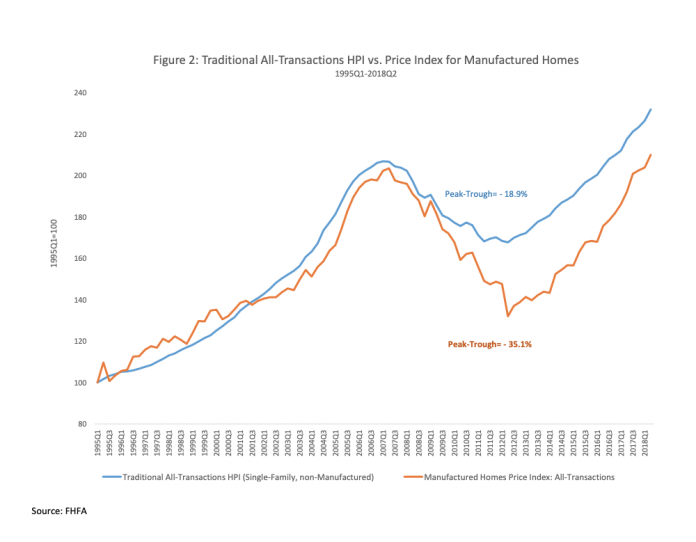
Image Source: homenation.com
Figuring Out Your Mobile Home’s Worth
Valuing a mobile home is a bit different than valuing a traditional house. Since they are often considered personal property, their value can change over time. This guide will walk you through the process step-by-step.
What Affects a Mobile Home’s Value?
Many things can make a mobile home worth more or less. Let’s break them down:
- Age of the Home: Older homes generally have lower values.
- Condition: A well-maintained home will fetch a higher price.
- Size: Bigger homes usually cost more.
- Features: Upgrades like new appliances, modern bathrooms, or a nice kitchen can add value.
- Location: Where the home is situated plays a big role. Is it in a good neighborhood? Is it on its own land or in a park?
- Land Ownership: If you own the land the mobile home sits on, it’s usually worth more than a home in a mobile home park where you pay monthly lot rent.
- Market Trends: Like any real estate, prices go up and down based on what buyers are willing to pay.
- Title Status: Having a clear mobile home title is crucial for its value and ease of sale.
Step 1: Gather Essential Information
Before you can estimate value, you need facts.
Key Details to Collect
- Year Built: This is a primary factor.
- Manufacturer and Model: Different brands and models have varying reputations and build qualities.
- Dimensions: Length, width, and square footage.
- Number of Bedrooms and Bathrooms: Standard metrics for home size.
- Serial Number/VIN: Important for identification and title checks.
- Original Purchase Price (if known): Can offer a baseline.
- Any Major Renovations or Upgrades: Document these with receipts.
- Condition of Major Systems: Roof, plumbing, electrical, HVAC.
- Land Information: Do you own the land? If so, get details about the lot size and any improvements. If it’s in a park, note the monthly mobile home park fees.
Step 2: Research Comparable Sales (Comps)
Finding similar homes that have recently sold is a great way to gauge market value.
How to Find Comparables
- Online Real Estate Websites: Sites like Zillow, Realtor.com, and Redfin often list mobile homes. Filter by location and type.
- Local Real Estate Agents: Agents who specialize in manufactured homes can provide valuable insights.
- Manufactured Home Dealerships: They know the local market well.
- Mobile Home Parks: Sometimes they have listings or can point you to resources.
What to Look for in Comps
- Similar Age: Homes built around the same time.
- Similar Size: Square footage should be close.
- Similar Condition: Homes that are in comparable shape.
- Similar Features: Number of bedrooms/bathrooms, upgrades.
- Location: Ideally, in the same neighborhood or a very similar one.
- Land Ownership: If you own your land, look for comps that also own their land. If you pay lot rent, look for comps in similar parks.
Step 3: Assess the Home’s Condition
The physical state of your mobile home is a major value driver.
Areas to Inspect
- Exterior:
- Roof: Look for leaks, damaged shingles, or sagging.
- Siding: Check for cracks, rot, or damage.
- Foundation/Skirting: Ensure it’s intact and provides proper ventilation.
- Windows and Doors: Check for drafts, rot, or broken seals.
- Interior:
- Walls and Ceilings: Look for water stains, cracks, or mold.
- Flooring: Assess wear and tear, damage, or unevenness.
- Kitchen and Bathrooms: Check for updated fixtures, plumbing leaks, and overall condition.
- Appliances: Are they functional and modern?
- HVAC System: Is it working efficiently? When was it last serviced?
- Plumbing and Electrical: Any signs of leaks, faulty wiring, or outdated systems?
Step 4: Consider Depreciation of Mobile Homes
Unlike site-built homes that often appreciate over time, mobile homes are generally considered to depreciate. This means their value tends to decrease with age.
Factors in Depreciation
- Age: The older the home, the more it has depreciated.
- Obsolescence: Newer designs and features make older homes less desirable.
- Material Quality: Mobile homes are often built with lighter materials than traditional homes.
- Maintenance: Poor maintenance accelerates depreciation.
Important Note: If your mobile home is permanently affixed to land you own and treated as real property, it may appreciate along with the land, similar to a traditional house. This distinction is crucial for manufactured home valuation.
Step 5: Understand the Impact of Land Ownership
The presence or absence of owned land significantly changes how a mobile home is valued.
Mobile Home on Owned Land vs. In a Park
- Owned Land:
- Pros: The home’s value is tied to the real estate market. Land appreciation can offset the home’s depreciation. You have full control.
- Valuation: Appraised more like a traditional home, factoring in land value. The cost of a mobile home on owned land will be higher.
- In a Mobile Home Park:
- Pros: Lower upfront cost, community amenities, maintenance of common areas.
- Cons: You pay monthly mobile home park fees (lot rent). The land is not yours, so you don’t benefit from land appreciation. The home’s value is primarily tied to the structure itself, and it depreciates.
- Valuation: Primarily based on the structure and its condition, with less emphasis on land.
Step 6: Factor in Improvements and Upgrades
Investments made in the home can positively impact its value.
Common Value-Adding Improvements
- Kitchen and Bathroom Renovations: Modernizing these spaces is highly desirable.
- New Flooring: Replacing old carpets or vinyl.
- Updated Appliances: Stainless steel or energy-efficient models.
- HVAC System Replacement: A new, efficient system is a significant plus.
- Roof Replacement: A new roof can prevent future problems.
- Deck or Porch Additions: Outdoor living spaces add appeal.
- Landscaping: Curb appeal matters.
Step 7: Getting a Professional Mobile Home Appraisal
For the most accurate valuation, consider a professional appraisal.
Why Get a Professional Appraisal?
- Objective Assessment: An appraiser provides an unbiased opinion of value.
- Required for Loans: Lenders often require a professional mobile home appraisal for financing.
- Selling Your Home: Helps set a realistic asking price.
- Estate Planning or Legal Matters: Provides a formal valuation.
Who Performs Appraisals?
- Certified Appraisers: Licensed professionals who specialize in real estate or personal property.
- Manufactured Housing Specialists: Some appraisers focus specifically on mobile homes.
Step 8: Using Online Valuation Tools
These tools can give you a quick estimate, but they aren’t always precise.
Popular Online Resources
- Kelley Blue Book (KBB): Known for vehicle values, they also offer mobile home values.
- NADA Guides: Another reputable source for valuing manufactured homes.
- Real Estate Websites (Zillow, etc.): Their automated valuation models (AVMs) can provide estimates for homes on land.
Limitations of Online Tools
- Lack of Physical Inspection: They can’t account for the specific condition of your home.
- Data Accuracy: Rely on the accuracy of the data they have access to.
- Location Specificity: May not fully capture hyper-local market nuances.
Step 9: Calculating the Mobile Home Market Value
Now, let’s put it all together.
Estimating Your Home’s Value
- Start with KBB or NADA: Get a baseline value from these resources.
- Adjust for Condition: If your home is in excellent condition, add a percentage. If it needs repairs, subtract a percentage.
- Account for Upgrades: Add the estimated value of significant renovations.
- Compare to Comps: How does your home stack up against recently sold similar homes in your area?
- Factor in Land (if applicable): If you own the land, research its current market value. The total value will be the home’s value plus the land’s value.
- Consider Location Premium/Discount: Is your location highly desirable, or are there drawbacks?
- Mobile Home Park Fees: If you pay lot rent, this is a monthly cost for the resident, not a value factor for the home itself. However, high park fees can make the home less attractive to buyers.
Example Scenario (Hypothetical)
Let’s say KBB estimates your 1995 3-bedroom, 2-bath mobile home at \$25,000.
- Condition: It’s in good shape, but the roof is 10 years old. (Let’s say this reduces value by \$2,000).
- Upgrades: You installed a new HVAC system last year (adds \$3,000).
- Comps: Similar homes in your park sold for \$22,000-\$28,000.
- Mobile Home Park Fees: \$500/month. This isn’t added to the home’s value but affects buyer affordability.
Initial Estimate: \$25,000 (KBB) – \$2,000 (Roof) + \$3,000 (HVAC) = \$26,000.
This estimate aligns with the comparable sales range, giving you confidence in this figure. If the home were on owned land valued at \$50,000, the total property value would be around \$76,000.
Step 10: Preparing Your Mobile Home for Sale
Once you have a value, you’ll want to present your home in the best light.
Tips for Presentation
- Clean Thoroughly: Inside and out.
- Declutter: Remove personal items.
- Make Minor Repairs: Fix leaky faucets, patch holes, touch up paint.
- Boost Curb Appeal: Mow the lawn, trim bushes, plant flowers.
- Organize Closets and Cabinets: Show ample storage.
- Ensure All Systems Work: Test lights, appliances, faucets.
Step 11: The Mobile Home Title and Legalities
A clear mobile home title is essential for selling.
Why the Title Matters
- Proof of Ownership: It’s the legal document showing who owns the home.
- Transferability: Without a title, you cannot legally transfer ownership.
- Financing: Buyers often need a title to secure a mobile home loan.
- Liens: Ensure there are no outstanding liens on the property.
Obtaining and Transferring Titles
- State DMV or Equivalent: Titles are typically handled by state agencies.
- Lien Releases: If you have a mobile home loan, you’ll need a lien release from the lender after it’s paid off.
- Bill of Sale: A document detailing the transaction between buyer and seller.
Step 12: Pricing Your Mobile Home
With your valuation complete, it’s time to set a price.
Pricing Strategies
- Market-Based Pricing: Price it competitively based on your research.
- Slightly Above Market: Allows room for negotiation.
- Slightly Below Market: Can attract quick interest and multiple offers.
- Emotional Appeal: Consider what buyers will feel when they see it.
Step 13: Navigating the Sale Process
Selling a mobile home involves several steps.
Key Stages of Selling
- Listing: Advertise your home online, through agents, or at local dealerships.
- Showings: Allow potential buyers to view the home.
- Offers: Receive and review offers from interested parties.
- Negotiation: Discuss terms, price, and any contingencies.
- Appraisal and Financing (for buyer): Buyer secures their mobile home loan.
- Closing: Transfer of ownership, title, and funds.
What is the Lifespan of a Mobile Home?
The lifespan of a mobile home can vary. With proper maintenance, many manufactured homes can last 30-55 years or even longer. However, the depreciation of mobile homes means their market value often declines significantly before the end of their physical life.
Can I Get a Mobile Home Loan for an Older Home?
Getting a mobile home loan for an older home can be challenging. Lenders often have age restrictions, as the home’s value may not be sufficient collateral. Loans for homes that are not permanently affixed to land, or those requiring significant repairs, are also harder to obtain. It’s often easier to secure financing for newer homes or those in good condition.
Who is Responsible for Mobile Home Park Fees?
The resident of the mobile home is responsible for paying mobile home park fees (lot rent) to the owner of the park. These fees cover the use of the land, access to utilities, and often community amenities.
Frequently Asked Questions About Mobile Home Valuation
Q1: How much does a professional mobile home appraisal cost?
A professional mobile home appraisal can range from \$300 to \$600 or more, depending on the complexity and the appraiser’s location and experience.
Q2: Can I sell my mobile home without a title?
No, you generally cannot legally sell a mobile home without its title. The title is proof of ownership and is required for the transfer of ownership. If you’ve lost your title, you’ll need to apply for a duplicate from your state’s Department of Motor Vehicles or equivalent agency.
Q3: How does the cost of a mobile home compare to a traditional house?
The cost of a mobile home is typically much lower than a traditional site-built house of similar size. This is due to differences in construction methods, materials, and the fact that mobile homes are often considered personal property rather than real property until permanently affixed to land.
Q4: What are the biggest factors affecting used mobile home prices?
The biggest factors are age, overall condition, maintenance history, the presence of upgrades, and whether the home is located on owned land or in a park with lot fees. The current demand in the local market also plays a significant role.
Q5: Is it possible for a mobile home to appreciate in value?
Generally, mobile homes depreciate. However, if a mobile home is permanently affixed to land that you own, and the land itself appreciates in value, the total property value can increase. The home’s condition and any renovations can also slow depreciation or contribute to value retention.
Q6: What is a “double-wide” or “triple-wide” and how does it affect value?
A double-wide is a mobile home constructed in two sections that are joined together on-site, offering more living space than a single-wide. A triple-wide is constructed in three sections. Double-wides and triple-wides are generally larger, have more features, and are valued higher than single-wide homes due to their increased square footage and living space.
Q7: Does the condition of the skirting matter for a mobile home appraisal?
Yes, the condition of the skirting is important. It protects the undercarriage of the home from weather and pests and contributes to the overall aesthetics and structural integrity. Damaged or missing skirting can negatively impact a mobile home appraisal.
Q8: How do mobile home park fees influence the sale price?
High mobile home park fees can make a property less attractive to potential buyers, as they represent a significant ongoing expense. Buyers may factor these fees into their offer, potentially leading to a lower selling price for the home itself, especially if the fees are considerably higher than average for the area.
Q9: What happens if a mobile home is not on a permanent foundation?
If a mobile home is not permanently affixed to land and is still considered personal property, its valuation is more like a vehicle. It will likely depreciate more rapidly, and financing options may be limited to personal property loans or chattel loans. Permanently affixing a mobile home to owned land can help it be classified as real property, potentially improving its long-term value and financing options.