
Image Source: i.ytimg.com
Deciphering Why Mobile Homes Depreciate
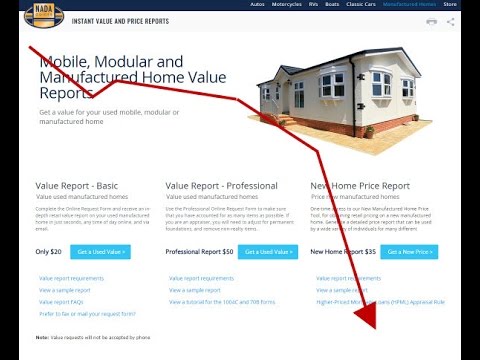
Mobile homes, also known as manufactured homes, typically depreciate in value over time, much like traditional houses, though often at a different rate. This depreciation is influenced by a combination of factors, including the home’s age, condition, location, and the overall market for manufactured housing. Understanding these drivers is crucial for anyone considering purchasing, selling, or owning a mobile home.
The Core of Mobile Home Value Loss
Manufactured housing depreciation stems from several key areas. Unlike site-built homes which are permanently affixed to the land, mobile homes are considered personal property unless they are permanently installed on a foundation and legally reclassified as real property. This distinction significantly impacts their long-term value retention and how they are financed.
Age and Wear and Tear
Every item, from a car to a house, ages. Mobile homes are no exception. As years pass, components wear out, finishes fade, and systems become outdated.
- Structural Integrity: Over time, the frame, chassis, and connections can experience stress and wear, especially if the home has been moved.
- Appliances and Systems: Refrigerators, ovens, HVAC units, plumbing, and electrical systems have a finite lifespan. As they age, they become less efficient and more prone to breakdowns, requiring costly repairs or replacements.
- Cosmetic Appeal: Exterior siding can fade, chip, or warp. Interior flooring, countertops, and cabinets can become scratched, stained, or outdated, diminishing the home’s aesthetic appeal.
Obsolescence and Outdated Features
The features and designs that were desirable a decade or two ago might not be today.
- Design Trends: Kitchen layouts, bathroom styles, and even the overall floor plan can become outdated, making a mobile home less appealing to modern buyers.
- Technological Advancements: Energy-efficient windows, smart home technology, and updated insulation standards in newer manufactured homes can make older models seem less desirable and less economical to operate.
The Land Factor: Land Value vs. Mobile Home Value
This is perhaps the most significant differentiator between mobile homes and traditional homes.
- Mobile Homes Without Land: When a mobile home is placed on rented land (in a mobile home park, for example), the buyer is essentially purchasing the structure and the right to occupy a specific piece of land. When the home depreciates, there’s no inherent land appreciation to offset the loss. The mobile home value is tied directly to the structure itself.
- Mobile Homes With Land: If a mobile home is purchased with its own land, the situation changes. The depreciation of the manufactured housing depreciation is then offset by the potential appreciation of the land. In many cases, the land’s value can increase significantly over time, while the home’s value continues to decline. This means the mobile home resale value is a composite of the depreciating structure and the appreciating or depreciating land.
Financing Mobile Homes and its Impact on Value
The way mobile homes are financed can also affect their perceived value and, consequently, their depreciation.
- Personal Property vs. Real Estate: Mobile homes are often financed as personal property, similar to a car. This means they carry higher interest rates and shorter loan terms compared to mortgages for traditional homes. Lenders may also be more hesitant to finance older mobile homes.
- Loan Terms: Shorter loan terms mean the loan is paid off faster, but the depreciation rate of the home can outpace the loan payoff. This can lead to a situation where the owner owes more on the loan than the mobile home value is worth, a concept known as being “upside down” on the loan.
Location, Location, Location: Factors Affecting Mobile Home Price
The location of a mobile home plays a pivotal role in its depreciation.
- Mobile Home Parks: Homes in parks often have rental agreements for the land. The monthly land rent can increase, impacting the overall cost of ownership and potentially lowering the home’s resale appeal if the rent becomes too high. Some parks also have age restrictions for homes.
- Private Land: A mobile home placed on private land can fare better, especially if the land itself is desirable. However, zoning laws, local ordinances, and the general desirability of the neighborhood still significantly influence the factors affecting mobile home price.
- Accessibility and Utilities: Homes in remote locations or those with less reliable utility access (water, sewer, electricity) may experience faster depreciation.
Market Demand and Mobile Home Market Trends
Like any market, the mobile home market trends influence how quickly and how much mobile homes depreciate.
- Supply and Demand: If there’s a high demand for affordable housing in an area, mobile homes might hold their value better. Conversely, an oversupply of manufactured homes or a general downturn in the housing market can lead to sharper declines in mobile home resale value.
- Perception and Stigma: Unfortunately, a historical stigma associated with mobile homes as being less desirable than traditional homes can affect their marketability and depreciation. While modern manufactured housing is built to high standards, this perception can linger.
Maintenance and Upkeep: Mitigating Depreciation
The owner’s commitment to maintenance and upgrades is a critical factor in controlling depreciation.
- Regular Maintenance: Routine tasks like sealing the roof, cleaning gutters, maintaining the HVAC system, and checking for leaks can prevent minor issues from becoming major, costly problems.
- Upgrades and Renovations: Investing in modernizing the kitchen and bathrooms, upgrading flooring, improving insulation, or replacing old appliances can significantly boost a mobile home’s appeal and slow down its depreciation. These improvements directly impact the mobile home value.
Do Mobile Homes Lose Value? A Deeper Dive
To answer the question directly: yes, mobile homes generally lose value over time, but the rate and extent of this loss are highly variable.
It’s important to differentiate between the structure itself and the overall property value if the home is situated on owned land.
- The Structure: The manufactured home unit itself is typically considered a depreciating asset. Its value declines due to age, wear and tear, and obsolescence.
- The Land: If the home is on owned land, the land value vs. mobile home value dynamic comes into play. The land can appreciate, potentially offsetting or even exceeding the home’s depreciation.
Consider this comparison:
| Feature | Traditional Site-Built Home | Mobile/Manufactured Home (on rented land) | Mobile/Manufactured Home (on owned land) |
|---|---|---|---|
| Land | Included, typically appreciates | Rented, monthly cost | Owned, can appreciate or depreciate |
| Structure | Depreciates slowly, often appreciates | Depreciates significantly | Depreciates significantly |
| Financing | Mortgage (lower rates, longer terms) | Personal property loan (higher rates, shorter terms) | Mortgage or personal property loan |
| Resale Value | Often holds or increases | Highly dependent on home condition & park rules | Composite of land & home value |
Aging Mobile Homes: A Specific Case Study
Aging mobile homes present a unique set of challenges. As they get older, the reasons for mobile home value loss become more pronounced.
- Code Compliance: Older homes may not meet current building codes for safety and energy efficiency.
- Health and Safety: Outdated plumbing, electrical systems, or materials can pose health and safety risks, further diminishing value.
- Financing Challenges: Lenders are often unwilling to finance mobile homes older than a certain age (e.g., 15-20 years), making it harder for potential buyers to secure loans and thus reducing the pool of buyers. This directly impacts financing mobile homes.
Strategies for Maintaining Mobile Home Value
While depreciation is a natural process, owners can take proactive steps to slow it down and preserve their mobile home value.
H4: Strategic Maintenance and Upgrades
- Regular Inspections: Conduct annual inspections, both inside and out, to catch potential problems early.
- Roof Maintenance: Ensure the roof is well-maintained. Leaks can cause significant structural damage and mold growth, severely impacting mobile home value.
- Skirting and Foundation: Keep the skirting in good repair to prevent pests and improve insulation. Ensure the foundation or anchoring system is secure.
- Appliance Care: Maintain appliances according to manufacturer recommendations. Consider upgrading to energy-efficient models when it’s time for replacement.
- Interior Upkeep: Regularly clean and maintain flooring, countertops, and fixtures. Address minor cosmetic issues promptly.
H4: Thoughtful Renovations
- Kitchen and Bath Updates: These are often the most impactful renovation areas. Modernizing cabinets, countertops, and fixtures can significantly improve a home’s appeal.
- Energy Efficiency Improvements: Upgrading windows, adding insulation, or installing a more efficient HVAC system can reduce utility bills and make the home more attractive to buyers concerned about operating costs.
- Exterior Aesthetics: A fresh coat of paint, new skirting, or improved landscaping can dramatically enhance the curb appeal and perceived mobile home resale value.
H4: Land Considerations
- If on Owned Land: Focus on maintaining and improving the land itself. Landscaping, driveway repairs, and outdoor living spaces can add value.
- If in a Park: Understand and adhere to the park’s rules and regulations. Sometimes, making improvements that align with park aesthetics can be beneficial. Research any upcoming changes in land rent or park policies that might affect future mobile home market trends.
Frequently Asked Questions (FAQ)
-
Q1: Can a mobile home appreciate in value?
Generally, the manufactured home structure itself depreciates. However, if the home is situated on land that appreciates significantly, the total property value might increase. The appreciation is primarily driven by the land, not the home. -
Q2: How is a mobile home different from a modular home?
Modular homes are built in sections in a factory but are constructed to the same building codes as site-built homes and are permanently affixed to a foundation. They are treated as real estate from the start and generally do not depreciate in the same way as mobile homes. Mobile homes, on the other hand, are built to a federal standard (HUD code) and are considered personal property unless they are permanently attached to land and reclassified. -
Q3: What is the lifespan of a mobile home?
With proper maintenance, a mobile home can last for 30 to 55 years or even longer. However, the market value often declines long before the home is no longer habitable. -
Q4: Does moving a mobile home affect its value?
Yes, moving a mobile home can significantly affect its value. The process puts stress on the structure, potentially leading to damage or weakening of seals and connections. It also incurs moving costs, which are typically borne by the seller. After a move, a re-inspection is often needed, and it might be considered “used” for resale purposes. -
Q5: Are there specific types of mobile homes that depreciate less?
While all mobile homes depreciate, those that are permanently affixed to a foundation, have been well-maintained, have modern features, and are located on desirable, appreciating land tend to depreciate at a slower rate than older, less maintained homes in less desirable locations or mobile home parks with high land rents. Some manufacturers also offer higher-quality, more durable manufactured homes that may hold their value slightly better.
In conclusion, while mobile homes are generally depreciating assets, proactive maintenance, strategic upgrades, and careful consideration of location and land ownership can significantly influence the mobile home value and the overall reasons for mobile home value loss. Understanding these dynamics is key to making informed decisions in the world of manufactured housing.