
Yes, you can often use homemade laundry detergent in HE (High Efficiency) washers, but it requires careful consideration and specific formulations to avoid damaging your machine or compromising your laundry’s cleanliness. The primary concern with homemade detergents in HE machines is sudsing. HE washers use much less water than traditional machines, and too many suds can lead to a variety of problems, from poor rinsing to potential damage to the machine’s sensitive electronics and pump.
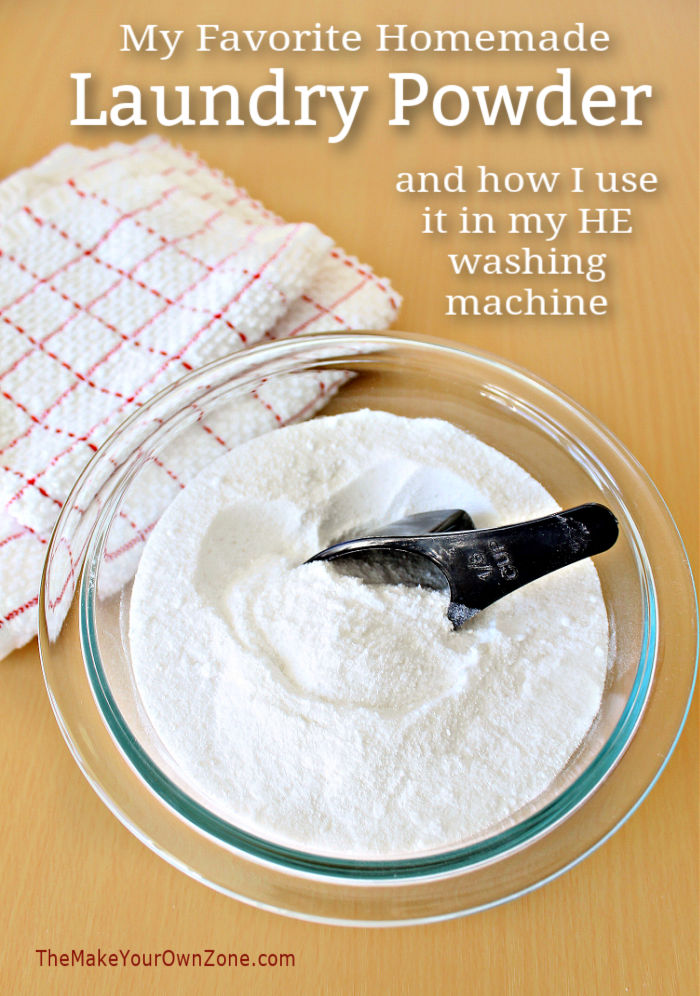
Image Source: www.themakeyourownzone.com
Deciphering HE Washers and Detergent Needs
High Efficiency (HE) washing machines are designed to be water-saving and energy-efficient. This means they use significantly less water per load compared to older, traditional top-loading machines. This lower water volume is crucial when it comes to detergent. Traditional detergents are formulated to produce a lot of suds, which helps lift dirt and rinse away in ample amounts of water.
However, in an HE washer, these high-sudsing detergents can create a “suds lock.” When too many suds build up, the machine’s sensors can interpret this as a fully loaded drum, even if it isn’t. This can lead to the machine not agitating properly, not spinning effectively, or even stopping mid-cycle. Beyond operational issues, excessive suds can trap dirt and detergent residue within the clothes and the machine itself, leading to dingy laundry and a musty-smelling washer over time.
This is where the concept of low suds laundry detergent becomes paramount for HE machines.
The Essence of Low Suds
The key to successfully using homemade laundry detergent in HE washers lies in creating a formula that effectively cleans without producing excessive suds. This means steering clear of ingredients known for their high sudsing properties and focusing on components that offer excellent cleaning power with minimal foam.
Crafting Homemade Detergent for HE Machines
Making your own laundry detergent can be a rewarding way to control ingredients, save money, and reduce your environmental footprint. When it comes to HE washers, the principles of making laundry detergent for HE machines are slightly different than for traditional machines.
Core Ingredients for HE-Friendly Formulas
The foundation of most DIY laundry detergents involves a few key ingredients. For HE machines, the selection and proportion of these ingredients are vital.
Soap vs. Detergent: A Crucial Distinction
It’s important to clarify that many “homemade laundry soaps” are technically soaps. These are made by saponifying fats and oils with an alkali. True detergents, on the other hand, are synthetic chemicals designed to lift dirt. While the term “detergent” is often used interchangeably in DIY contexts, it’s the sudsing properties that differentiate what works in an HE machine.
Popular HE-Compatible Homemade Detergent Recipes
When making laundry detergent for HE machines, the goal is a powerful, low-sudsing cleaner. Here are some common and effective recipes, often referred to as DIY laundry soap HE or natural laundry soap HE.
Recipe 1: The Simple & Effective Blend
This recipe is a popular choice for its simplicity and effectiveness.
Ingredients:
- 1 bar of Fels-Naptha soap or Zote soap (grated)
- 1 cup of Borax
- 1 cup of Washing Soda (Sodium Carbonate)
Instructions:
- Finely grate the bar of soap. A food processor can make this task much easier.
- In a large bowl or container, combine the grated soap, Borax, and washing soda.
- Mix thoroughly until all ingredients are well blended.
- Store in an airtight container.
Usage:
- Use 1-2 tablespoons per load.
- For heavily soiled items, you may need slightly more.
This combination is often considered the best homemade laundry soap HE because it balances cleaning power with low suds.
Recipe 2: The Baking Soda Boost
Adding baking soda laundry soap HE can enhance cleaning power and act as a natural deodorizer.
Ingredients:
- 1 bar of grated natural soap (like Dr. Bronner’s bar soap, unscented)
- 1 cup of Borax
- 1 cup of Washing Soda
- 1/2 cup of Baking Soda
Instructions:
- Grate the soap bar finely.
- Combine the grated soap, Borax, washing soda, and baking soda in a large container.
- Mix thoroughly.
Usage:
- Use 1-2 tablespoons per load.
- The baking soda helps boost cleaning and odor removal.
Recipe 3: The Vinegar Rinse Aid
While not a detergent itself, vinegar laundry detergent HE can be used as a rinse aid to help remove any residual detergent and soften fabrics. Never mix vinegar directly with the detergent mixture as it can cause the baking soda to react prematurely and reduce the effectiveness of both.
How to Use Vinegar:
- Add 1/2 cup of white distilled vinegar to the fabric softener compartment of your HE washer during the rinse cycle.
- This helps to break down any detergent residue and acts as a natural fabric softener.
Testing Your Homemade Detergent for HE Machines
Before committing to a large batch, it’s always wise to test your homemade HE washing machine detergent on a small load of laundry.
The Suds Test
The most critical test is to check for excessive suds.
- Add your usual amount of homemade detergent to the detergent dispenser.
- Add a load of laundry, but no clothes.
- Run a short wash cycle.
- Observe the water level and the amount of suds generated.
- If you see a significant amount of suds bubbling out of the door or dispenser, you’ve used too much detergent or the formula is too sudsy for your machine.
Laundry Performance
After the suds test, run a small load of actual laundry.
- Check for cleanliness: Are the clothes coming out clean?
- Check for residue: Is there any white residue left on the clothes after drying? This indicates incomplete rinsing.
- Check the machine: Look for any signs of excessive suds or lingering moisture in the drum after the spin cycle.
Important Considerations for Homemade Detergent in HE Washers
Using homemade detergent front loader machines (which are typically HE) requires a nuanced approach. It’s not just about the recipe, but also how you use it.
The Dangers of Over-Sudsing
As mentioned, over-sudsing is the primary enemy of HE machines. This can lead to:
- Reduced cleaning efficiency: Suds can cushion the clothes, preventing them from rubbing against each other and the drum, which is essential for cleaning.
- Damage to the pump and motor: Excessive suds can strain these components, leading to premature wear and tear or failure.
- Mold and mildew: Trapped moisture from inefficient spinning due to suds can create an environment for mold and mildew growth inside the washer.
- Fabric damage: Detergent residue left on clothes can make them stiff and potentially damage delicate fibers.
Measuring is Key
Accurate measurement of your HE compatible homemade detergent is vital. Start with the smallest recommended amount (usually 1 tablespoon) and see if it’s sufficient. You can always add a little more for the next load if needed, but it’s much harder to remove too much detergent once it’s in the machine.
Water Hardness and Softness
The hardness or softness of your water can affect how much detergent you need and how much suds are produced.
- Hard water: May require slightly more detergent to achieve adequate cleaning.
- Soft water: May require less detergent, as it can boost sudsing.
You might need to adjust the amount of your homemade detergent based on your local water conditions.
Fabric Types
Different fabrics have different cleaning needs.
- Delicates: May require less detergent and a gentler cycle.
- Heavily soiled items: Might need a slightly larger dose of your homemade detergent or a pre-soak.
Maintenance of Your HE Machine
Even with the right detergent, regular maintenance is essential for HE machines.
- Clean the dispenser: Ensure the detergent dispenser is free of clogs.
- Wipe the door seal: Regularly clean the rubber door seal to prevent mold and mildew.
- Run cleaning cycles: Periodically run a hot water cycle with vinegar or a commercial washing machine cleaner to flush out any buildup.
Alternative Natural Cleaning Boosters
Beyond the basic recipes, several natural ingredients can enhance your homemade laundry detergent’s performance in HE machines.
Baking Soda
As seen in Recipe 2, baking soda laundry soap HE is excellent for:
- Boosting cleaning power: It acts as a mild alkali that helps lift dirt and stains.
- Deodorizing: It effectively neutralizes odors.
- Water softening: It helps soften water, allowing the soap to work more efficiently.
White Vinegar
Vinegar laundry detergent HE is used as a rinse aid, not a direct ingredient in the wash. Its benefits include:
- Rinsing aid: Helps rinse away detergent residue.
- Fabric softening: Acts as a natural fabric softener.
- Mild disinfectant: Can help kill some bacteria.
- Odor neutralization: Helps combat lingering smells.
Borax (Sodium Borate)
Borax is a natural mineral that is a key ingredient in many homemade detergent recipes. It’s a:
- Water softener: Makes water less alkaline, allowing soap to lather better and clean more effectively.
- Stain remover: Helps lift tough stains.
- Whitening agent: Can help brighten whites.
- Mild disinfectant: Kills some bacteria and mold.
Washing Soda (Sodium Carbonate)
Washing soda is a more potent alkali than baking soda. It is crucial for lifting grease and grime.
- Powerful cleaner: Excellent for tough stains and grease.
- Water softener: Improves the performance of soap in hard water.
- Brightener: Helps to brighten colors and whites.
Frequently Asked Questions About Homemade Laundry Detergent in HE Washers
Here are some common questions people have when considering homemade laundry solutions for their HE machines.
Q1: Will homemade detergent damage my HE washer?
Generally, no, if formulated correctly with low-sudsing ingredients and used in the correct amounts. The primary risk comes from using ingredients that produce too many suds, which can overload the machine. Recipes using grated soap, Borax, and washing soda are usually formulated to be low-sudsing.
Q2: How much homemade detergent should I use in my HE washer?
Start with 1-2 tablespoons per load. The exact amount can depend on the load size, soil level, and your water hardness. It’s always better to start with less and add more if needed.
Q3: Can I use liquid homemade laundry detergent in my HE washer?
Yes, you can make liquid versions. The key is still to avoid high-sudsing ingredients. Many liquid homemade detergents use grated soap dissolved in hot water, often with washing soda and Borax. Ensure it’s well-mixed and that the soap is fully dissolved to prevent residue.
Q4: What if my homemade detergent leaves residue on my clothes?
Residue usually indicates that too much detergent was used, or the rinse cycle wasn’t effective. Try using less detergent, running an extra rinse cycle, or adding white vinegar to the rinse compartment to help dissolve any remaining residue.
Q5: Is it safe to use homemade detergent for baby clothes in an HE washer?
Yes, if you choose mild, natural ingredients and avoid harsh additives. Many people opt for unscented bar soaps and ensure thorough rinsing. Always do a patch test on a few items first.
Q6: Can I use essential oils in my homemade HE laundry detergent?
Yes, essential oils can be added for fragrance. Use them sparingly (a few drops per load or per batch of dry detergent) as too much can sometimes affect fabric or the machine. Lavender, lemon, or tea tree oil are popular choices.
Q7: My HE washer has a “high efficiency” indicator. Does this mean I must use HE-specific detergent?
The “High Efficiency” label means the machine uses less water. While commercial “HE” detergents are specifically formulated to be low-sudsing for these machines, a well-made homemade low suds laundry detergent can perform just as well, if not better, provided you follow the guidelines for making laundry detergent for HE machines.
By carefully selecting ingredients and measuring accurately, you can successfully use homemade laundry detergents in your HE washing machine, enjoying clean clothes and a healthy appliance.