
Pulling a molar at home is strongly discouraged by dental professionals due to the significant risks involved. Can you do it yourself? While it might be physically possible, it’s highly inadvisable. This blog post will delve into why attempting a DIY tooth removal is dangerous and what steps you should take if you’re experiencing severe tooth pain or have a loose tooth. We’ll also explore safe home remedies for tooth pain and the importance of good dental hygiene.
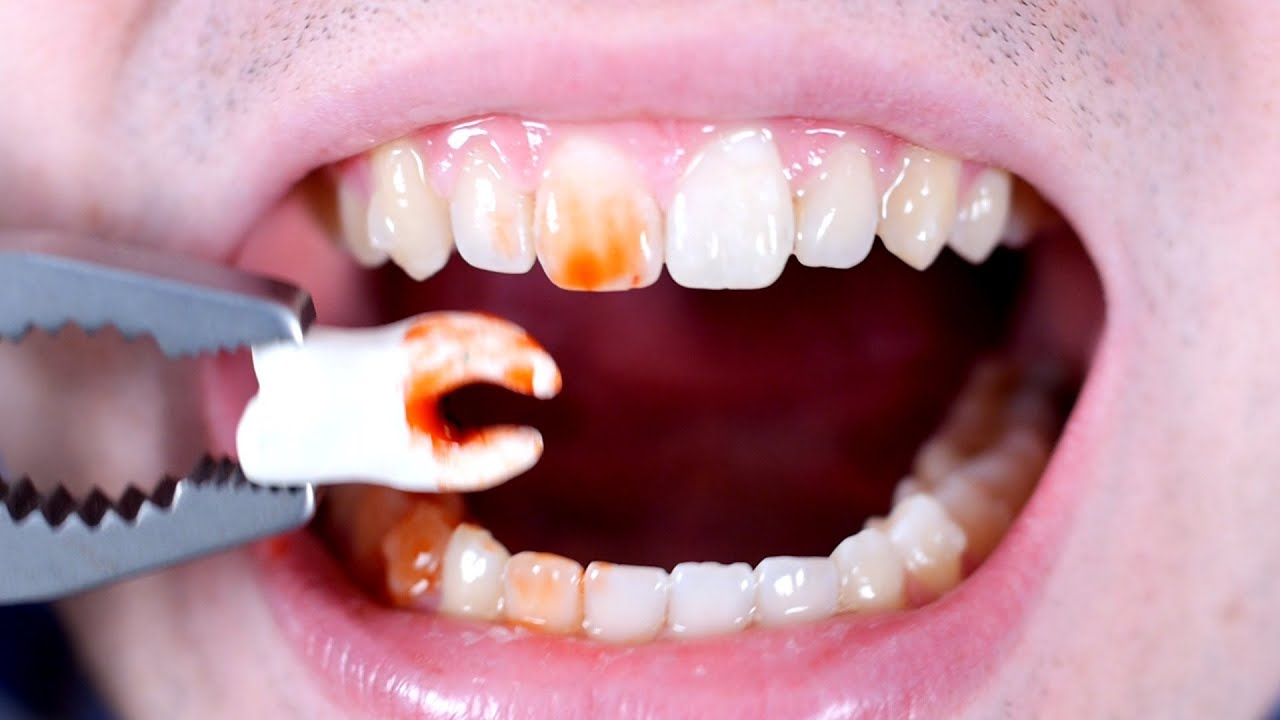
Image Source: i.ytimg.com
The Perils of DIY Tooth Extraction
The idea of pulling a molar at home, often stemming from severe toothache relief or the desire to avoid dental costs, is a dangerous path. Most people envision a quick fix, perhaps inspired by old tales or a desperate attempt to end excruciating jaw pain. However, the reality of self-dental extraction is far from simple or safe.
Why You Shouldn’t Try to Pull a Tooth at Home
Attempting to pull a tooth yourself, especially a molar, carries a high risk of complications. Dentists spend years learning the intricate anatomy of the mouth and the precise techniques required for tooth extraction. Without this specialized knowledge and equipment, you’re setting yourself up for a host of problems.
- Infection: The oral cavity is teeming with bacteria. Introducing unsterilized tools into an open wound, or failing to properly clean the area afterward, can lead to serious infections. These infections can spread from the mouth to the jawbone, the bloodstream, and even the brain.
- Incomplete Extraction: Molars have complex root systems, often with multiple roots that can curve or break. If you try to pull a tooth and only remove part of it, the remaining root fragments can cause ongoing pain, infection, and abscesses. This often necessitates more complex dental procedures later.
- Hemorrhage: Bleeding is a natural part of any extraction. However, without proper knowledge of blood vessels and clotting mechanisms, excessive bleeding can occur. This can be difficult to control at home and may require immediate medical attention.
- Damage to Surrounding Tissues: The jawbone, gums, and adjacent teeth are all delicate structures. Improper force or technique can lead to fractures of the jawbone, damage to nearby healthy teeth, or severe tearing of the gums. This can result in long-term pain and functional issues.
- Nerve Damage: The trigeminal nerve, responsible for sensation in the face, runs through the jaw. Accidental damage to this nerve during a DIY extraction can lead to persistent numbness, tingling, or chronic pain in the mouth, face, or even the tongue.
- Pain and Trauma: Without local anesthesia, the pain associated with trying to pull a molar is immense. The trauma to your body and mind can also be significant, potentially leading to anxiety around dental procedures.
The Allure of Home Remedies for Tooth Pain
When tooth pain strikes, the urge to find immediate toothache relief is powerful. Many turn to home remedies for tooth pain before consulting a dentist. While some simple remedies can offer temporary comfort, they are not a substitute for professional dental care, especially when a tooth is loose or severely compromised.
- Saltwater Rinse: A warm saltwater rinse can help clean the area and reduce swelling. Mix about half a teaspoon of salt in a cup of warm water and swish it around your mouth for about 30 seconds before spitting it out.
- Clove Oil: Clove oil contains eugenol, a natural anesthetic and antiseptic. You can apply a tiny amount of clove oil to a cotton ball and dab it gently onto the affected tooth and gum. Be careful, as too much can irritate the gums.
- Cold Compress: Applying a cold compress to the outside of your cheek near the painful area can help numb the pain and reduce swelling. Wrap ice in a cloth and apply it for 15-20 minutes at a time.
- Peppermint Tea Bags: A slightly cooled, damp peppermint tea bag can be applied to the sore tooth or gum. Peppermint has mild numbing properties.
It’s crucial to remember that these remedies are for temporary relief only. They do not address the underlying cause of the tooth pain, which might be decay, infection, or a fracture that requires professional treatment.
When is a Tooth Considered “Loose”?
A tooth is considered loose when it wiggles or shifts in its socket more than is normal. In children, baby teeth naturally become loose as permanent teeth grow underneath. However, for adults, a loose tooth is almost always a sign of a problem.
Causes of Loose Teeth in Adults
- Gum Disease (Periodontitis): This is the most common cause of loose teeth in adults. Bacteria in plaque can infect the gums and the bone supporting the teeth. As the disease progresses, the bone weakens, leading to tooth loosening.
- Dental Trauma: A blow to the mouth, even a minor one, can cause a tooth to become loose. This could happen during sports, a fall, or an accident.
- Grinding or Clenching Teeth (Bruxism): Constant, forceful grinding or clenching can put excessive pressure on teeth, weakening the ligaments that hold them in place and making them loose.
- Tooth Decay: Severe decay that reaches the root of the tooth or weakens the tooth structure can lead to loosening.
- Osteoporosis: In some cases, bone loss associated with osteoporosis can affect the jawbone, contributing to tooth loosening.
What to Do If You Have a Loose Tooth
If you discover a loose tooth, your first step should be to schedule an appointment with your dentist. They can diagnose the cause of the loosening and recommend the appropriate treatment. Trying to push the tooth back into place or wiggling it further can exacerbate the problem. Gentle cleaning with a soft toothbrush and warm water is best.
The Process of Professional Tooth Extraction
Understanding the process a dentist follows can help alleviate fears associated with tooth extraction. Dentists are trained to perform extractions safely and effectively, minimizing pain and complications.
Steps in a Dental Extraction
- Examination and Diagnosis: The dentist will examine the tooth, surrounding gums, and jawbone. X-rays are often taken to assess the tooth’s roots and the bone’s condition.
- Anesthesia: Local anesthetic is administered to numb the area around the tooth. Sedation options, such as nitrous oxide or oral sedatives, may be offered for anxious patients.
- Tooth Loosening: The dentist uses specialized instruments called elevators to carefully loosen the tooth from the periodontal ligament that holds it in place.
- Extraction: Once sufficiently loosened, forceps are used to grasp the tooth and gently rock it back and forth until it can be removed.
- Gauze Packing: The empty socket is usually packed with sterile gauze to control bleeding and promote clotting.
- Post-Operative Instructions: The dentist will provide detailed instructions on how to care for the extraction site, manage pain, and what to expect during healing.
When is Tooth Extraction Necessary?
Tooth extraction is usually a last resort. Dentists strive to save natural teeth whenever possible. However, certain situations make extraction the best or only option.
Common Reasons for Molar Extraction
- Severe Tooth Decay: When decay is so extensive that the tooth cannot be restored with fillings or crowns.
- Advanced Gum Disease: When the bone supporting the tooth is severely damaged, and the tooth is very loose, extraction might be necessary to prevent further spread of infection.
- Impacted Wisdom Teeth: Wisdom teeth that do not have enough room to erupt properly are often impacted, leading to pain, infection, and damage to adjacent teeth.
- Severe Tooth Fracture: If a tooth breaks in a way that cannot be repaired.
- Overcrowding: In orthodontics, sometimes teeth need to be removed to make space for proper alignment of other teeth.
- Infection or Abscess: When a severe infection or abscess affects the tooth and cannot be treated with root canal therapy.
Alternatives to Extraction
Before considering tooth extraction, your dentist will explore all possible alternatives.
Options to Save a Tooth
- Fillings: For minor to moderate decay.
- Crowns: For teeth that are significantly damaged but still have a healthy root.
- Root Canal Therapy: To treat infected or inflamed pulp within the tooth, saving the tooth from extraction.
- Gum Disease Treatment: Scaling and root planing to remove plaque and tartar below the gum line, halting the progression of gum disease.
- Orthodontic Treatment: Sometimes, creating space through braces can prevent the need for extraction.
Oral Hygiene and Prevention
Maintaining excellent dental hygiene is the most effective way to prevent the need for tooth extraction and avoid painful toothaches and jaw pain.
Key Practices for Dental Health
- Regular Brushing: Brush your teeth at least twice a day for two minutes each time, using fluoride toothpaste. Pay attention to cleaning along the gum line.
- Daily Flossing: Floss daily to remove food particles and plaque from between teeth and under the gum line, areas your toothbrush can’t reach.
- Regular Dental Check-ups: Visit your dentist every six months for professional cleanings and examinations. This allows for early detection and treatment of problems like decay and gum disease.
- Healthy Diet: Limit sugary snacks and drinks, as sugar fuels the bacteria that cause decay.
- Avoid Tobacco: Smoking and other tobacco products significantly increase the risk of gum disease and oral cancer.
Safety First: When to Seek Immediate Dental or Medical Help
There are instances where tooth pain or a loose tooth indicates a serious issue that requires immediate attention.
Warning Signs to Watch For
- Severe, Uncontrollable Bleeding: If you have bleeding after any dental work or injury that doesn’t stop after applying pressure.
- Signs of Infection: Swelling in the cheek, jaw, or neck; fever; pus discharge from the gums; foul taste or smell in the mouth.
- Difficulty Breathing or Swallowing: This can indicate a severe infection spreading.
- Severe Jaw Pain: Especially if it’s accompanied by swelling or difficulty opening your mouth.
- Traumatic Injury: Any injury to the mouth that results in a knocked-out tooth, fractured tooth, or severe bleeding.
If you experience any of these symptoms, do not attempt self-treatment. Contact your dentist immediately or go to the nearest emergency room.
Addressing Toothache Relief and Jaw Pain
Tooth pain and jaw pain can be debilitating. While professional care is paramount, some immediate measures can help manage discomfort.
Managing Toothache and Jaw Pain Safely
- Avoid Putting Pressure on the Tooth: Try not to chew on the affected side of your mouth.
- Keep the Area Clean: Continue gentle rinsing with warm salt water.
- Over-the-Counter Pain Relievers: Ibuprofen or acetaminophen can help manage pain and inflammation, following dosage instructions carefully.
- Elevate Your Head: When resting or sleeping, prop your head up with extra pillows to help reduce throbbing pain.
- Avoid Extreme Temperatures: Hot or cold foods and drinks can aggravate a sensitive tooth.
Remember, these are temporary measures. A persistent toothache or jaw pain is a signal that something is wrong and needs professional evaluation.
Frequently Asked Questions (FAQ)
Q1: What happens if I try to pull a tooth at home and it breaks?
A1: If a tooth breaks during a DIY extraction, the remaining root fragments can cause significant infection, pain, and may require a more complex surgical procedure to remove them. It is crucial to see a dentist as soon as possible.
Q2: How long does it take for a socket to heal after a tooth extraction?
A2: The initial healing of the soft tissues typically takes about one to two weeks. The bone underneath will continue to heal for several months. Following your dentist’s post-operative instructions is vital for proper healing and preventing complications like dry socket.
Q3: Can I get an infection from pulling a tooth at home?
A3: Yes, the risk of infection is very high with DIY tooth removal. Introducing non-sterile instruments or failing to maintain a clean wound site can lead to bacterial infections in the mouth, jaw, or even the bloodstream.
Q4: My tooth is very loose, but it doesn’t hurt. Do I still need to see a dentist?
A4: Yes, absolutely. A loose tooth in an adult, even without pain, is a significant warning sign. It usually indicates underlying gum disease, bone loss, or trauma that needs professional diagnosis and treatment to prevent further damage or tooth loss.
Q5: What are the signs of dry socket?
A5: Dry socket (alveolar osteitis) is a common complication after tooth extraction. Symptoms include severe pain that starts a few days after the extraction, pain radiating to the ear, and a bad taste or smell in the mouth. If you suspect dry socket, contact your dentist immediately.
In conclusion, while the desire for quick toothache relief or the avoidance of dental costs might tempt you to consider DIY tooth removal, the risks are simply too great. Professional dental care ensures the procedure is performed safely, minimizes complications, and leads to proper healing. Prioritizing your oral health and seeking timely dental attention for any tooth issues, including loose teeth or persistent jaw pain, is the wisest course of action.