
To achieve the best air and health benefits from your bedroom air purifier, continuous operation, or 24/7 usage, is generally recommended. This ensures consistent bedroom air purity and maximum effectiveness against pollutants. But let’s delve deeper into the specifics of air cleaner runtime and its impact on your well-being.
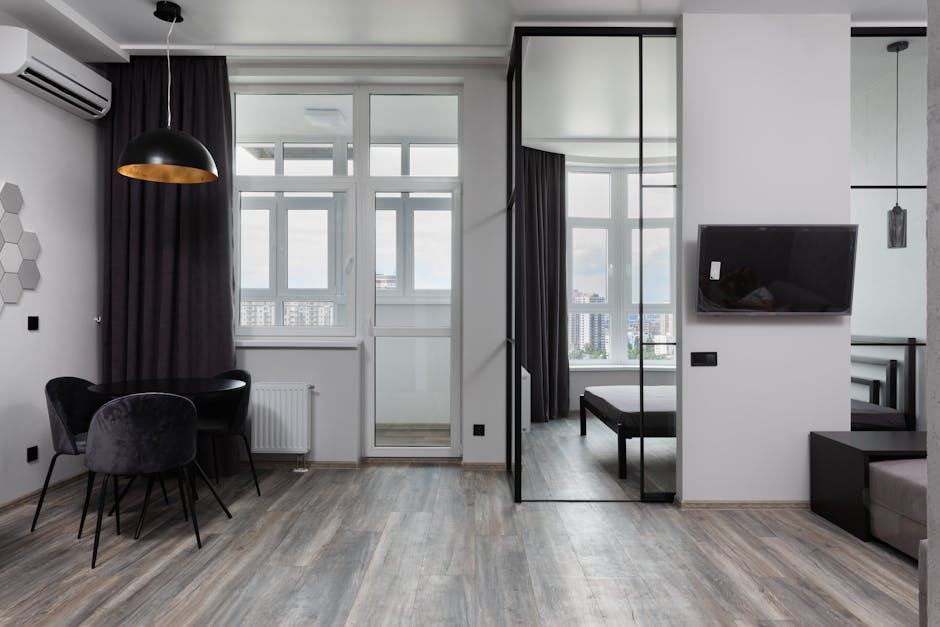
Image Source: images.pexels.com
Maximizing Your Bedroom Air Quality
Breathing clean air is fundamental to good health, and in our homes, especially our bedrooms, this can be a challenge. Dust, pollen, pet dander, mold spores, and volatile organic compounds (VOCs) from furniture and cleaning products can accumulate, negatively impacting our health. An air purifier can be a powerful ally in combating these airborne irritants. But how long should this ally be actively working in your sanctuary?
The Case for Continuous Operation
Why is continuous operation the often-cited ideal for air purifiers? It boils down to the nature of airborne pollutants. These particles don’t just appear and disappear; they are constantly being introduced into the air through everyday activities.
- Constant Infiltration: Even with closed windows, microscopic particles find their way indoors. Opening doors, walking around, and even the air circulating from other rooms can introduce new pollutants.
- Lingering Pollutants: Once inside, some particles, like fine dust or VOCs, can remain suspended in the air for extended periods if not actively removed.
- Building Up Over Time: If an air purifier is only run for short bursts, pollutants can build up to significant levels between cycles. This means you might not be breathing truly clean air for much of the time.
24/7 usage ensures that your air purifier is always working to capture these ongoing intrusions and reduce the overall concentration of contaminants in your bedroom. This is particularly important for ensuring good overnight air quality, as we spend a significant portion of our lives sleeping.
Benefits of Consistent Air Purification
Running your air purifier consistently yields a range of tangible health benefits:
Dust Reduction
Dust is more than just an annoyance; it’s a complex mix of particles, including skin cells, fabric fibers, and even tiny insect parts. For many people, dust is a primary trigger for allergies and asthma. A good air purifier with a HEPA filter is highly effective at capturing these fine dust particles, leading to a cleaner living environment and fewer respiratory issues. Dust reduction is one of the most immediate and noticeable benefits of consistent air purifier use.
Allergen Removal
Allergens like pollen, pet dander, and mold spores can wreak havoc on sensitive individuals. These microscopic irritants can cause sneezing, itchy eyes, runny noses, and even trigger severe asthma attacks. By running your air purifier continuously, you actively trap these allergens, preventing them from circulating and exacerbating symptoms. Consistent allergen removal creates a much more comfortable and breathable space, especially during allergy seasons.
VOC Control
Volatile Organic Compounds (VOCs) are gases emitted from various household products, including paints, varnishes, cleaning supplies, cosmetics, and new furniture. These compounds can cause headaches, nausea, dizziness, and long-term health problems. Activated carbon filters, commonly found in air purifiers, are excellent at adsorbing VOCs. VOC control is crucial for improving indoor air quality, and continuous operation ensures that these harmful gases are being managed around the clock.
Achieving Optimal Performance
For your air purifier to deliver optimal performance, consistent operation is key. Think of it like a filter for your lungs – you want it to be actively filtering all the time, not just when you remember to turn it on.
Factors Influencing Air Purifier Runtime
While continuous operation is the general rule, a few factors might influence your specific air cleaner runtime decisions:
Bedroom Size and Air Purifier Capacity
The size of your bedroom and the Clean Air Delivery Rate (CADR) of your air purifier are critical. A purifier’s CADR indicates how quickly it can clean the air in a specific room size.
- Oversized Purifier: If your air purifier is significantly larger than your bedroom’s square footage, it will clean the air more rapidly. You might achieve a satisfactory level of bedroom air purity even with slightly less than 24/7 usage, though continuous operation will still offer the most consistent benefits.
- Undersized Purifier: Conversely, if your purifier is undersized for your room, it will struggle to keep up with the pollution load. In this case, continuous operation is even more essential to maximize its effectiveness. Running it on a higher setting might seem like a solution, but this can increase noise and energy consumption unnecessarily.
It’s always best to match your air purifier to your room size for the most efficient and effective air cleaner runtime.
Air Quality Levels
The current state of your indoor air quality plays a significant role.
- High Pollution Environments: If you live in an area with high outdoor pollution, have pets that shed heavily, or have recently undertaken renovations that released VOCs, you’ll benefit greatly from 24/7 usage. This helps to continuously combat the higher pollutant levels.
- Low Pollution Environments: In a very clean environment with minimal allergen or pollutant sources, you might be able to reduce air cleaner runtime slightly without a significant drop in air quality. However, the gains from dust reduction and general VOC control are still present with continuous operation.
You can use portable air quality monitors to gauge the levels of PM2.5 (fine particulate matter) and VOCs in your bedroom. These readings can help you fine-tune your air cleaner runtime.
Noise Levels and Energy Consumption
Modern air purifiers are designed to be relatively quiet, especially on lower settings. However, continuous operation does contribute to your energy bill.
- Noise: Most purifiers have a “sleep” or “low” setting that is very quiet, making it ideal for overnight air quality. Running it on this setting ensures it works without disturbing your sleep.
- Energy Usage: While an air purifier is an electrical appliance, their energy consumption is often comparable to or less than other household items like refrigerators or televisions. The health benefits derived from consistently clean air often outweigh the marginal increase in your electricity bill. For optimal performance and maximum health benefits, the slight increase in energy cost is usually a worthwhile investment.
Many energy-efficient models are available that can provide continuous operation without a substantial impact on your energy costs. Look for ENERGY STAR certified models for the best efficiency.
Specific Health Concerns
For individuals with pre-existing respiratory conditions like asthma, allergies, or COPD, continuous operation is highly recommended. Maintaining consistently clean air minimizes exposure to triggers and can significantly improve symptom management. The consistent allergen removal and dust reduction provided by 24/7 usage are paramount for these individuals.
Optimizing Your Air Purifier Schedule
While continuous operation is the gold standard, here are some practical ways to optimize your air purifier’s schedule for optimal performance:
24/7 Usage with Smart Features
Many newer air purifiers come with intelligent features:
- Auto Mode: This mode uses sensors to detect air quality and automatically adjust the fan speed. This allows for continuous operation but conserves energy by running at lower speeds when air quality is good and ramping up when needed. This is an excellent way to balance bedroom air purity with efficiency.
- Timers: If you are concerned about 24/7 usage, you can use timers to set specific operating periods. For example, you could run it on a higher setting for a few hours while you’re awake and then switch to a quieter, lower setting overnight. However, this can lead to fluctuations in air quality.
Strategic Placement for Maximum Impact
The placement of your air purifier within the bedroom can also influence its effectiveness.
- Avoid Obstructions: Place the unit where air can freely circulate around it. Avoid corners, behind furniture, or near curtains that can block airflow.
- Central Location: A more central location generally allows the purifier to draw air from more areas of the room, aiding in overall dust reduction and VOC control.
Filter Maintenance for Peak Efficiency
Regardless of your air cleaner runtime, the effectiveness of your purifier hinges on its filters.
- HEPA Filters: These need to be replaced periodically (typically every 6-12 months, depending on usage and air quality) to maintain their ability to capture fine particles.
- Activated Carbon Filters: These also have a lifespan and need replacement to continue effective VOC control.
Following the manufacturer’s recommendations for filter replacement is crucial for ensuring your air purifier continues to deliver optimal performance and contribute to excellent bedroom air purity. Neglecting filter maintenance will reduce the unit’s efficiency, even with continuous operation.
When Might You Adjust Runtime?
While the general advice leans towards continuous operation, there might be specific scenarios where you could adjust your air cleaner runtime:
During Short Absences
If you are stepping out of the bedroom for a short period (e.g., going downstairs for dinner), there’s usually no need to turn off the purifier. However, if you are leaving for an extended period, like a full day or overnight, and have concerns about energy usage, you might consider turning it off. But be aware that the air quality will begin to degrade during your absence.
When Not in the Bedroom
If your bedroom is solely used for sleeping and you spend most of your waking hours elsewhere in the house, and you have other air purifiers in common areas, you could potentially reduce the runtime in the bedroom. However, the benefits of clean air for sleep and rest are significant, so minimizing bedroom air purity is generally not advisable.
Very Low Pollution Levels
As mentioned earlier, if you have absolute certainty of very low pollution levels, you might experiment with slightly reduced runtime. However, the continuous presence of some pollutants means that consistent filtering is always beneficial.
The Nuance of “How Long”
The question “How Long to Run Air Purifier in Bedroom” isn’t always a simple binary answer of “on” or “off.” It’s about achieving consistent, high-quality bedroom air purity for optimal health benefits.
- For Maximum Health Benefits: 24/7 usage is the most effective strategy. This provides constant dust reduction, allergen removal, and VOC control.
- For Balancing Efficiency and Purity: Smart modes or timed operation can be used, but they may not offer the same level of consistent air quality as continuous operation.
- For Specific Needs: Individuals with respiratory issues should prioritize continuous operation for the most significant therapeutic impact.
Ultimately, the goal is to create a healthy breathing environment in your bedroom. By running your air purifier consistently, you invest in better sleep, reduced allergy symptoms, and overall improved well-being. The commitment to continuous operation is the surest path to realizing the full potential of your air purifier for superior bedroom air purity and lasting health benefits.
Frequently Asked Questions (FAQ)
Q1: Is it necessary to run an air purifier in the bedroom 24/7?
A1: While not strictly “necessary” for everyone, running an air purifier 24/7 usage is generally recommended for the best health benefits and consistent bedroom air purity. It ensures continuous operation against ongoing pollution.
Q2: How often should I turn my air purifier on and off?
A2: It’s best to keep it running. Frequent on/off cycles mean pollutants can build up between operating periods. For optimal performance, aim for continuous operation rather than frequent cycling.
Q3: Can running an air purifier all day increase my electricity bill significantly?
A3: Modern air purifiers are quite energy-efficient. While there will be an increase, it’s typically modest and often outweighed by the health benefits of cleaner air, especially with features like auto mode for 24/7 usage.
Q4: Will running my air purifier overnight harm my sleep?
A4: Most air purifiers have a “sleep” or low setting designed to be very quiet, making them ideal for overnight air quality without disruption.
Q5: What are the main pollutants an air purifier in the bedroom helps remove?
A5: Air purifiers are effective at dust reduction, allergen removal (like pollen and pet dander), and VOC control from household items, contributing to better bedroom air purity.