
Can you make your glasses anti-glare at home? While achieving a professional-grade anti-reflective coating at home that perfectly mimics a factory application is challenging, you can implement several effective DIY methods to significantly prevent glare on glasses and reduce reflections. This guide will explore various DIY anti-glare treatment options and provide simple solutions for common vision annoyances.
Glare from lights, screens, and even sunlight can be a major nuisance. It can cause eye strain, headaches, and make it difficult to see clearly. While commercially available anti-glare coatings are the most effective solution, there are several home remedies for foggy glasses and ways to create your own DIY anti-fog spray and homemade lens cleaner that can help reduce these issues.
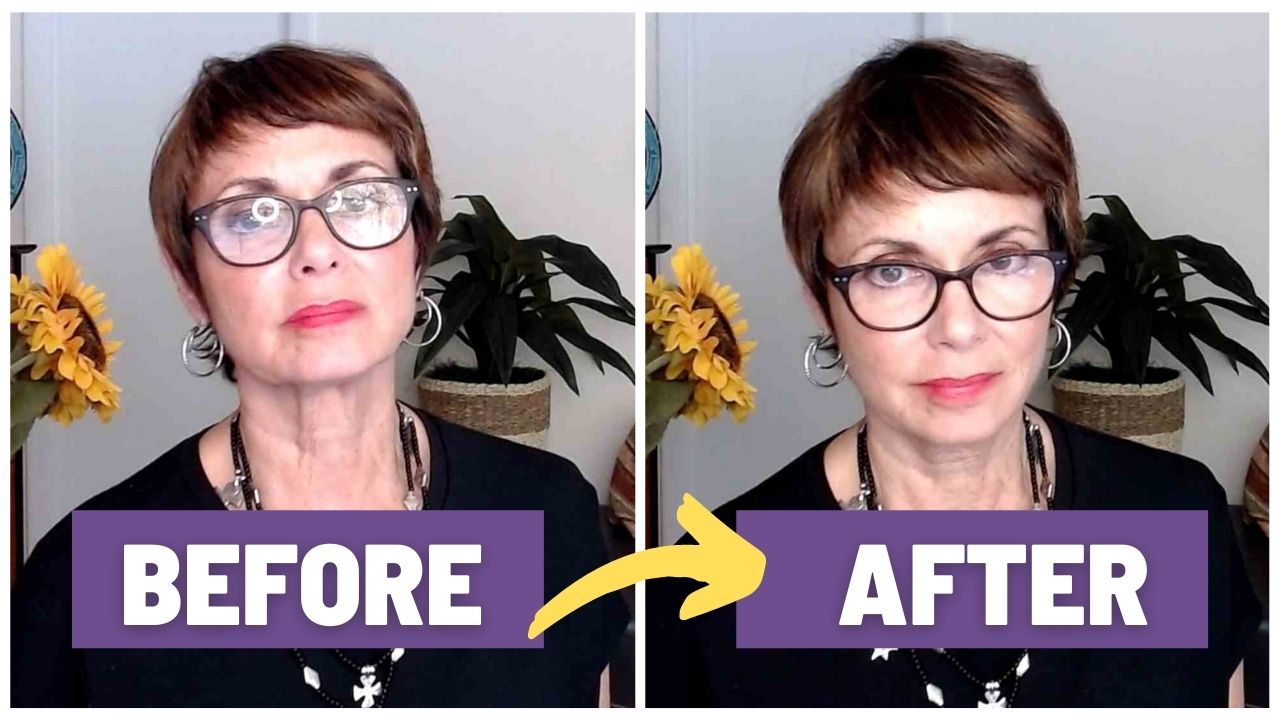
Image Source: rosemaryravinal.com
The Science of Glare and Anti-Glare Coatings
Before diving into DIY solutions, it’s helpful to understand what glare is and how anti-glare coatings work.
What Causes Glare?
Glare occurs when light reflects off the surface of your lenses. This reflection can come from various sources:
- Artificial Lights: Overhead lights, streetlights, and car headlights are common culprits.
- Sunlight: Direct sunlight or light reflecting off surfaces like water or snow.
- Electronic Screens: Computer monitors, smartphones, and televisions emit light that can bounce back into your eyes.
These reflections scatter light, reducing the amount of light that actually passes through your lenses to your eyes. This scattering is what causes the visual discomfort and reduces clarity.
How Anti-Glare Coatings Work
Commercial anti-glare coatings, also known as anti-reflective (AR) coatings, are thin, transparent layers applied to the surface of eyeglass lenses. These coatings work on the principle of destructive interference.
Light waves have crests and troughs. When light hits a lens surface, some of it reflects off the front and back surfaces. An AR coating is designed with multiple microscopic layers. The thickness and refractive index of these layers are precisely controlled so that the light reflected from one layer interferes with and cancels out the light reflected from the next layer.
The result is a significant reduction in light reflection from the lens surface. This allows more light to pass through the lens directly to your eye, leading to:
- Sharper Vision: Less light scattering means clearer images.
- Reduced Eye Strain: Less effort is needed to see through the reflections.
- Improved Appearance: Without reflections, people can see your eyes more clearly, creating better eye contact.
While replicating this precise optical coating home is not feasible without specialized equipment, we can leverage simple principles to create a DIY lens protector and address related issues like fogging and smudging.
DIY Solutions for Reducing Glare and Improving Lens Clarity
You can’t apply a true anti-reflective coating at home, but you can create solutions that help clean your lenses effectively, prevent fogging, and reduce minor reflections.
1. The Simple Soap and Water Method: Your First Line of Defense
This is the most basic and often overlooked method for keeping your lenses clean and reducing smudges that can contribute to glare. A clean lens reflects less light.
What you’ll need:
- Mild dish soap (like Dawn or a similar gentle brand)
- Lukewarm water
- A soft, lint-free microfiber cloth
Steps:
- Rinse your glasses: Hold your glasses under lukewarm running water. This removes any loose dust or debris that could scratch your lenses if rubbed dry.
- Apply a tiny drop of soap: Put a single, small drop of mild dish soap onto the tip of your finger.
- Gently clean the lenses: Rub the soapy finger over the entire surface of both lenses, front and back, including the frames and nose pads. Be gentle.
- Rinse thoroughly: Rinse the glasses again under lukewarm running water. Ensure all soap residue is washed away. If you leave soap behind, it can create streaks.
- Dry carefully: Gently shake off excess water. Then, use your clean microfiber cloth to dry the lenses. Start by patting them dry, then gently wipe in a circular motion.
Why it works: Dish soap is a surfactant. It breaks down oils and grime on the lens surface, which are major contributors to smudges and can exacerbate glare. This method also helps create a temporary barrier that can prevent glare on glasses by smoothing the lens surface at a microscopic level, although this effect is very short-lived.
2. Creating Your Own Homemade Lens Cleaner
For a more dedicated lens cleaner, you can mix a simple solution at home. This is particularly useful for removing fingerprints and minor smudges that contribute to glare.
What you’ll need:
- Distilled water (tap water can leave mineral deposits)
- Isopropyl alcohol (rubbing alcohol) – 70% concentration is ideal.
- A small amount of mild dish soap (optional, but can help with grease)
- A clean spray bottle
- A clean microfiber cloth
The Recipe:
- Option A (Alcohol-Based):
- 1 part Isopropyl alcohol (70%)
- 1 part Distilled water
- Option B (Slightly Softer):
- 3 parts Distilled water
- 1 part Isopropyl alcohol (70%)
- 1-2 drops of mild dish soap (optional)
Steps to Make and Use:
- Mix the solution: Pour the ingredients into your clean spray bottle. Gently swirl the bottle to mix. Do not shake vigorously, especially if you’ve added soap, as this can create too many bubbles.
- Apply to lenses: Spray a small amount of the cleaner onto your microfiber cloth, not directly onto your glasses. This prevents excess liquid from seeping into the frame.
- Wipe gently: Wipe the lenses with the damp cloth using a gentle, circular motion.
- Dry: Use a dry part of the microfiber cloth to dry and polish the lenses.
Why it works: Isopropyl alcohol is an excellent solvent for oils and grime. Distilled water ensures no mineral residue is left behind. The small amount of soap in Option B helps lift stubborn grease. This cleaner is effective at removing the build-up that can cause reflections and reduce clarity, helping to reduce screen glare glasses.
3. The DIY Anti-Fog Spray: Tackling Fogging That Mimics Glare
While not directly an anti-glare solution, foggy glasses can feel like glare because they obscure vision. A DIY anti-fog spray can significantly improve your experience.
What you’ll need:
- Distilled water
- White vinegar OR Isopropyl alcohol (70%)
- A clean spray bottle
- A clean microfiber cloth
The Recipe:
- Option A (Vinegar Based – Gentle):
- 1 part White vinegar
- 1 part Distilled water
- Option B (Alcohol Based – Stronger):
- 1 part Isopropyl alcohol (70%)
- 1 part Distilled water
Steps to Make and Use:
- Combine ingredients: Mix your chosen ingredients in the spray bottle.
- Spray lightly: Lightly mist one lens at a time.
- Wipe: Gently spread the solution across the lens surface with a clean microfiber cloth.
- Let dry: Allow the lenses to air dry or gently buff them with a dry section of the cloth.
Why it works: Both vinegar and alcohol have properties that can temporarily alter the surface tension of water droplets. Instead of forming small, light-scattering spheres (fog), the water spreads out into a thin, transparent film that doesn’t obstruct vision. This is a great home remedy for foggy glasses.
4. The Glycerin Trick: A Temporary Barrier
Glycerin is known for its humectant properties, meaning it attracts and holds moisture. In this context, it can help prevent condensation from forming into tiny water droplets.
What you’ll need:
- Glycerin (available at most pharmacies)
- A small bowl
- A clean microfiber cloth
Steps:
- Apply a tiny amount of glycerin: Dip the corner of your microfiber cloth into the glycerin. You need only a very small amount.
- Gently wipe lenses: Rub the glycerin-moistened cloth over the lenses, ensuring even coverage.
- Buff: Use a clean, dry part of the microfiber cloth to gently buff the lenses until they are clear and streak-free.
Why it works: Glycerin creates a thin, transparent film on the lens surface that reduces the surface tension of water molecules. This makes it harder for water droplets to form and stick to the lens, helping to prevent glare on glasses caused by condensation. The effect is temporary and may need reapplication.
5. The Potato Method (Use with Extreme Caution!)
This is a more unusual method often cited in DIY circles. Potatoes contain starch, which can leave a residue that might, in theory, smooth the lens surface slightly. However, this method is risky and can easily lead to smudges or scratches if not done perfectly.
What you’ll need:
- A raw potato
- A clean microfiber cloth
Steps (Proceed with caution!):
- Cut the potato: Cut a thin slice from the raw potato.
- Rub the lens: Gently rub the cut surface of the potato slice over your eyeglass lenses.
- Let dry: Allow the potato residue to dry on the lenses.
- Buff: Once dry, use a clean microfiber cloth to gently buff away the dried residue until the lenses are clear.
Why it might work: The starch from the potato is thought to create a temporary coating that can fill in microscopic imperfections on the lens surface, potentially reducing reflections. However, this is unproven and carries a high risk of smudging or even scratching your lenses if any grit is present in the potato or on the lens. It’s generally safer to stick to the soap and water or alcohol-based cleaners.
Maintaining Your Glasses for Reduced Glare
Beyond specific treatments, regular maintenance is key to keeping your glasses clear and reducing glare.
Regular Cleaning Schedule
Daily:
* Wipe your glasses with a clean microfiber cloth to remove dust and light smudges.
Weekly:
* Perform a more thorough cleaning using the soap and water method or your homemade lens cleaner.
Proper Storage
- Always use a glasses case: When you’re not wearing your glasses, store them in a hard or soft case. This protects them from dust, scratches, and accidental damage that can contribute to glare.
- Avoid placing them face down: Never lay your glasses directly on a surface with the lenses facing down.
Handling Your Glasses
- Hold by the frames: Always pick up and put down your glasses by holding the frame, not the lenses.
- Wash your hands: Before handling your glasses, wash and dry your hands to avoid transferring oils and dirt to the lenses.
Addressing Specific Glare Issues
Reducing Screen Glare on Glasses
For those who spend a lot of time in front of screens, reduce screen glare glasses effectively is crucial. While a true anti-reflective coating at home isn’t possible, a clean lens and a good DIY anti-fog spray can help.
- Cleanliness is paramount: Ensure your lenses are impeccably clean. Smudges and dust on your lenses will catch the light from your screen.
- Positioning: Adjust your screen brightness and positioning to minimize direct reflection.
- Blue Light Filters: While not an anti-glare solution, blue light filtering lenses can reduce digital eye strain, which is often exacerbated by glare. You can find temporary blue light filtering films for screens, but this is separate from lens treatment.
Anti-Smudge Solution for Glasses
Smudges are a major contributor to perceived glare. A good anti-smudge solution for glasses is essentially a well-formulated cleaner.
- Alcohol-based cleaners: As mentioned, the alcohol and distilled water mixture is very effective at cutting through oils.
- Microfiber cloths: Always use clean microfiber cloths. A dirty cloth will simply redistribute smudges. Wash your microfiber cloths regularly with mild detergent and air dry them. Avoid fabric softener, as it can leave a residue that transfers to your lenses.
Can I Apply an Anti-Glare Coating Myself?
No, you cannot achieve a true professional anti-glare coating at home. The process of applying an optical coating home requires specialized vacuum deposition equipment and precise control over layer thickness and composition. This is why AR coatings are applied in labs.
However, the DIY methods discussed here aim to reduce the effects of glare by:
- Keeping lenses immaculately clean.
- Preventing fogging.
- Potentially creating temporary, microscopic smoothing effects.
Think of these as maintenance and temporary fixes rather than a replacement for a factory-applied AR coating.
Frequently Asked Questions (FAQ)
Q1: Will these DIY methods permanently add an anti-glare coating to my glasses?
A1: No, these methods do not permanently add an anti-reflective coating at home. They are temporary solutions that clean your lenses, prevent fogging, and reduce minor reflections. A true AR coating requires professional application.
Q2: Are these homemade cleaners safe for all types of lenses, including those with special coatings?
A2: The mild dish soap, distilled water, and isopropyl alcohol mixtures are generally safe for most lenses, including those with existing coatings. However, always test on a small, inconspicuous area first if you are unsure. Avoid harsh chemicals or abrasive materials. If your glasses have delicate coatings (like hydrophobic or oleophobic), it’s best to use cleaners specifically recommended by your optician.
Q3: How often should I use my homemade lens cleaner?
A3: You can use your homemade lens cleaner as often as you feel the need. For daily cleaning, a quick wipe with a microfiber cloth might suffice. For more stubborn smudges, use the spray cleaner.
Q4: What’s the best way to prevent my glasses from fogging up when I wear a mask?
A4: The DIY anti-fog spray with vinegar or alcohol can help. Another popular trick is to ensure your mask fits snugly around your nose and mouth, directing your breath downwards. You can also try gently wiping the inside of your lenses with a bar of soap, rinsing, and then buffing them dry. This leaves a thin soap residue that can help prevent fogging.
Q5: My glasses still feel reflective. What else can I do?
A5: If DIY methods aren’t sufficient, consider getting professionally applied AR coating. It’s the most effective way to prevent glare on glasses and is well worth the investment for clear, comfortable vision. You can also explore computer glasses with built-in blue light and anti-glare properties if screen glare is your primary concern.
By following these simple tips and utilizing the DIY anti-fog spray and homemade lens cleaner recipes, you can significantly improve your visual comfort and reduce the annoying effects of glare and fog on your eyeglasses. While you won’t achieve a factory-level optical coating home, you can keep your lenses in top condition for clearer, more enjoyable vision.