
Can you repair a cracked tooth at home? While a definitive, long-term repair for a cracked tooth at home isn’t possible, you can take steps to manage the situation safely until you can see a dentist. This blog post will guide you through safe temporary measures and explain why professional dental care is crucial.
A cracked tooth can be a worrying experience. It might feel sharp, cause sensitivity, or even be invisible. While you absolutely need to see a dentist for a proper fix, there are things you can do right now to protect your tooth and ease discomfort. This guide will walk you through how to handle a cracked tooth at home, focusing on safety and temporary relief.
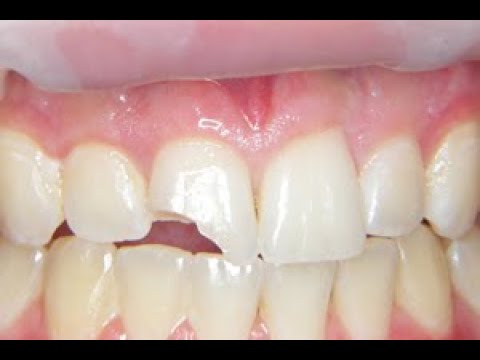
Image Source: i.ytimg.com
Why a Cracked Tooth Needs Professional Attention
Before we dive into home care, it’s vital to grasp why a cracked tooth isn’t something to ignore or permanently fix yourself.
- Underlying Damage: A crack, even a small one, can go deeper than you see. It might reach the dentin or even the pulp (the inner part of the tooth with nerves and blood vessels).
- Infection Risk: Open cracks can allow bacteria to enter the tooth, leading to infection. This can cause severe pain and potentially spread.
- Further Fracturing: Without proper repair, a cracked tooth is more prone to breaking further, sometimes beyond repair.
- Bite Issues: A cracked tooth can affect how you bite and chew, leading to pain and further damage.
Recognizing a Cracked Tooth
Sometimes, a cracked tooth is obvious. Other times, it’s more subtle.
Signs to look for:
- Sudden pain: Especially when biting down or releasing pressure.
- Sensitivity: To hot or cold temperatures, or sweet foods.
- Visible cracks: You might see a line on the tooth surface.
- Roughness: The tooth might feel rough or have a sharp edge.
- Swelling: Around the tooth or in your gums.
Safe Temporary Measures for a Cracked Tooth
These steps are designed to protect your tooth and make you more comfortable until you can visit your dentist.
1. Cleanliness is Key
Keeping the area clean is crucial to prevent infection.
- Rinse your mouth: Gently rinse your mouth with warm salt water. Mix about half a teaspoon of salt in a cup of warm water. This can help clean the area and reduce inflammation.
- Gentle brushing: Brush and floss around the cracked tooth very carefully. Avoid putting too much pressure on the damaged area.
2. Managing Pain and Sensitivity
Discomfort is common with a cracked tooth.
- Over-the-counter pain relievers: Ibuprofen (Advil, Motrin) or naproxen (Aleve) can help reduce pain and inflammation. Acetaminophen (Tylenol) can also help with pain. Always follow the dosage instructions on the packaging.
- Cold compress: Apply a cold pack or a bag of frozen peas wrapped in a cloth to the outside of your cheek, over the painful area. Do this for 15-20 minutes at a time, several times a day.
- Avoid triggers: Try to avoid very hot or cold foods and drinks, and sugary or acidic items, as these can worsen sensitivity.
3. Protecting the Cracked Tooth
Preventing further damage is a priority.
- Soft foods: Stick to soft foods and avoid chewing on the side of your mouth with the cracked tooth.
- Dental wax: If a sharp edge is irritating your tongue or cheek, you can carefully cover it with sugar-free chewing gum or orthodontic wax. This is a very temporary fix, like a makeshift dental cement for cracks.
What NOT to Do When You Have a Cracked Tooth
It’s as important to know what to avoid as it is to know what to do.
- Don’t try to glue it yourself: Avoid using super glue or any household adhesives. These are not safe for oral use and can cause harm.
- Don’t ignore it: Even if the pain is mild, a crack needs professional assessment.
- Don’t use harsh mouthwashes: Avoid alcohol-based mouthwashes, as they can dry out the mouth and irritate the area.
- Don’t ignore severe pain or swelling: If you have intense pain, fever, or swelling in your face or gums, seek emergency dental care immediately.
Temporary Dental Filling and Repair Kits: A Closer Look
While a dentist is the only one who can properly repair a cracked tooth, there are over the counter tooth repair products that offer temporary relief or protection. These are not permanent solutions but can bridge the gap until your dental appointment.
Temporary Dental Filling Material
These kits often contain a pliable material that you can shape to temporarily fill a cavity or cover a chip.
What to expect:
- Purpose: To provide a smooth surface, prevent food from getting into the crack, and offer some protection.
- Materials: Often made of zinc oxide or a similar temporary filling compound.
- Application: Typically involves mixing a powder and liquid, then placing the material into the affected area.
Important considerations:
- Follow instructions precisely: These kits are designed for temporary use and require careful application.
- Not for deep cracks: If the crack is deep or the tooth is significantly broken, these might not be suitable or effective.
- Seek professional advice: Even if you use a temporary filling, you still need to see a dentist.
Tooth Repair Kit Options
When looking for an emergency tooth repair kit or a general tooth repair kit, you’ll find a range of products. These are primarily for cosmetic fixes or temporary structural support.
Common components:
- Temporary filling material: As mentioned above, this is often a key component.
- Dental wax or putty: For covering sharp edges or minor chips.
- Mouth rinse: To clean the area before application.
- Applicators: Small tools to help place the material.
How to use them safely:
- Read reviews: Look for products with good reviews from other users.
- Clean the tooth: Ensure the tooth is clean and dry before applying any material.
- Use sparingly: Apply only enough material to cover the immediate issue. Don’t try to rebuild a large portion of the tooth.
- Avoid swallowing: Be careful not to ingest any of the materials.
Dental Cement for Cracks vs. Dental Adhesive for Teeth
It’s important to distinguish between different types of dental products.
- Dental Cement for Cracks: This term might be used loosely. True dental cements are used by dentists to bond crowns, bridges, or veneers. Some over-the-counter products might use this terminology, but their composition is different and less robust than professional-grade cement.
- Dental Adhesive for Teeth: Dental adhesives are bonding agents used by dentists to attach restorations to teeth. They create a strong bond. Over-the-counter products may offer a form of adhesive, but it will not be as strong or as durable as what a dentist uses.
Best Dental Cement for Front Teeth (Temporary Home Use)
If you’re looking for a temporary fix for a chipped or cracked front tooth that’s visible, you might consider over the counter tooth repair options that offer a tooth-colored material.
What to look for:
- Tooth-colored material: To blend in better with your natural teeth.
- Easy application: Products designed for home use should be relatively simple to apply.
- Temporary nature: Remember, these are not permanent.
Example: Some kits offer a moldable resin that can be shaped to fill a small chip. It hardens with air or light. However, achieving a natural look and a smooth feel can be challenging.
Tooth Filling Material at Home
When we talk about tooth filling material at home, we are referring to the temporary kits mentioned earlier. These are not the same as the composite or amalgam fillings a dentist uses, which require specialized equipment and training to place correctly and safely. Home-use materials are designed for temporary relief and cosmetic improvement of minor issues, not for structural restoration.
Home Remedies for Chipped Tooth: What Works and What Doesn’t
Beyond specialized kits, some natural or common household items are sometimes suggested.
Effective Temporary Measures
- Saltwater rinse: As mentioned, this is great for cleaning and soothing.
- Cold compress: Excellent for reducing swelling and numbing pain.
- Avoiding certain foods: Soft foods, avoiding chewing on the side of the crack.
What to Avoid as “Home Remedies”
- Clove oil: While clove oil has some numbing properties, applying it directly to a raw nerve exposed by a crack can cause significant irritation and pain. It’s best used diluted and for mild toothaches, not as a repair agent.
- Garlic: Similar to clove oil, garlic has antibacterial properties but is too harsh to apply directly to a damaged tooth.
- Any attempt to “glue” or “fill” with non-dental materials: This is the most critical warning. These materials are not biocompatible, can be toxic, and can cause further damage or infection.
How to Fix a Broken Tooth Temporarily: A Step-by-Step Guide (Using Safe Kits)
If you have purchased a reputable temporary tooth repair kit, here’s a general guide on how to use it. Always prioritize the specific instructions provided with your product.
Step 1: Prepare Your Workspace and Tools
* Find a well-lit area.
* Ensure you have a mirror handy.
* Gather all components from the kit.
Step 2: Clean Your Mouth and the Affected Tooth
* Gently rinse your mouth with warm salt water.
* Carefully clean the surface of the cracked or broken tooth with a soft brush and water. Ensure no food debris is present.
* Gently dry the tooth surface with a clean cloth or cotton swab.
Step 3: Prepare the Temporary Filling Material
* Follow the kit’s instructions for mixing the temporary filling material. This might involve mixing a small amount of powder and liquid on a clean surface.
* Work quickly, as some materials begin to set once mixed.
Step 4: Apply the Material
* Using the applicator tool provided, carefully pick up a small amount of the mixed material.
* Gently press the material into the crack or chip. Aim to cover the damaged area smoothly and evenly.
* If you are trying to fill a chip on a front tooth, you may want to try and shape it to match the tooth’s natural contour as best as possible.
* Avoid overfilling or packing the material too tightly.
Step 5: Shape and Smooth (If Applicable)
* Some kits allow for minor shaping before the material fully hardens. Use the applicator or a moistened finger (wear gloves if provided) to smooth the surface.
* Be careful not to dislodge the material.
Step 6: Allow to Set/Harden
* Follow the kit’s instructions regarding setting time. Some materials harden on their own, while others may require exposure to air or even a specific light source (though home kits rarely include specialized dental curing lights).
* Avoid biting or putting pressure on the repaired area until it has fully set.
Step 7: Final Check and Clean-up
* Once set, gently check the surface. If there are any rough spots, you might be able to carefully smooth them, but be cautious.
* Dispose of any unused mixed material and kit components according to the packaging.
Important Reminder: This is a temporary fix. It is crucial to schedule an appointment with your dentist as soon as possible to get a proper diagnosis and permanent repair.
When to Seek Emergency Dental Care
While home care can help manage the situation, certain symptoms indicate a dental emergency.
Seek immediate dental attention if you experience:
- Severe, unbearable pain.
- Swelling in your mouth, jaw, or face.
- A fever.
- Pus or discharge around the tooth.
- The tooth has fallen out completely.
- You cannot control bleeding from the tooth or gum.
In these cases, call your dentist immediately. If it’s outside of regular business hours, look for an emergency dental clinic or go to the nearest hospital emergency room.
Professional Dental Treatments for Cracked Teeth
Once you see your dentist, they will assess the crack and recommend the best course of action.
Possible treatments include:
- Bonding: For small chips or cracks, the dentist can use dental adhesive for teeth and a tooth-colored resin to repair the damage. This is similar to some home kits but done with professional-grade materials and precision.
- Veneers: Thin shells of porcelain placed over the front of the tooth to cover cracks and improve appearance.
- Crowns: If the crack is significant or the tooth is weakened, a crown (a cap that covers the entire tooth) may be necessary.
- Root Canal: If the crack extends into the pulp, a root canal treatment might be needed to remove the infected pulp before the tooth can be restored with a crown.
- Extraction: In severe cases, if the tooth cannot be saved, extraction may be the only option.
Frequently Asked Questions (FAQ)
Q1: Can I use super glue to fix a cracked tooth?
A1: Absolutely not. Super glue and other household adhesives are toxic and not safe for use in the mouth. They can cause chemical burns, irritation, and further damage to your teeth and gums.
Q2: How long can a temporary filling last?
A2: Temporary fillings are designed to last a few days to a few weeks. Their longevity depends on the product used and how carefully you treat the tooth. They are not a long-term solution.
Q3: My cracked tooth doesn’t hurt, do I still need to see a dentist?
A3: Yes. Pain is not always an indicator of the severity of a crack. Even if it’s painless, a crack can weaken the tooth, making it susceptible to further damage or infection. Professional examination is always recommended.
Q4: What if the crack is very small, like a hairline crack?
A4: Even a hairline crack needs attention. Your dentist can assess its depth and advise if any treatment is needed. Sometimes, minor cracks can be smoothed or sealed.
Q5: Can I eat normally with a temporary filling?
A5: It’s best to stick to soft foods and avoid chewing on the side with the temporary filling. Try to chew with your back teeth and avoid hard, sticky, or chewy foods.
Q6: Are there any “miracle cures” for cracked teeth you can buy online?
A6: Be very wary of products promising permanent or miraculous home repairs for cracked teeth. Most reliable options are temporary solutions or cosmetic fixes for very minor chips. Always prioritize professional dental care.
Remember, a cracked tooth is a serious dental issue. While these home care tips and temporary kits can help manage the situation until you see a professional, they are not a substitute for proper dental treatment. Your dentist is the only one who can accurately diagnose the problem and provide a safe, long-lasting solution.