
Image Source: www.body-piercing.com
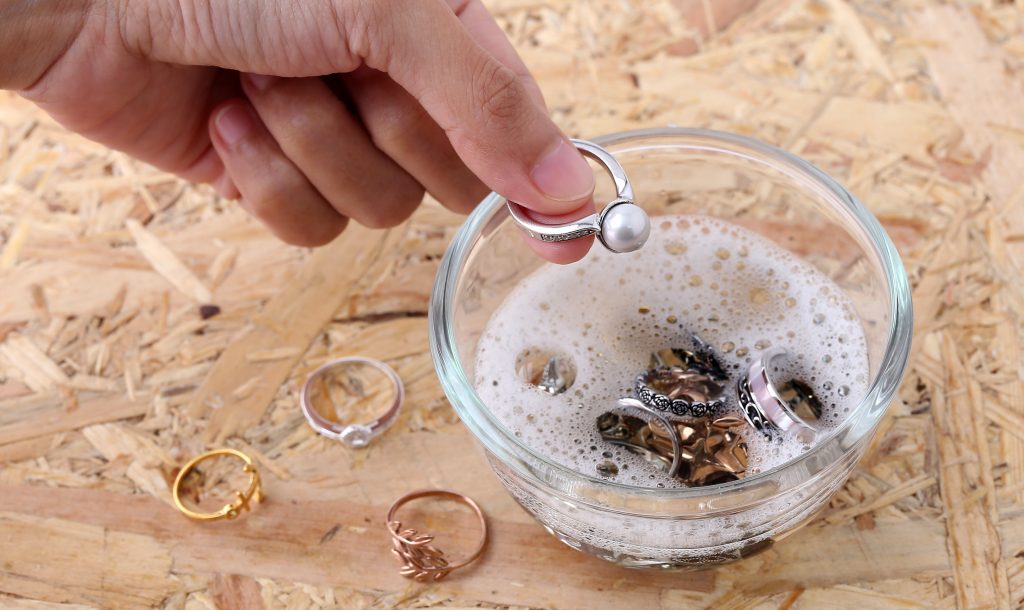
How To Sterilize Piercing Jewelry At Home Safely
Can you sterilize piercing jewelry at home? Yes, you can sterilize piercing jewelry at home using specific methods, but it’s crucial to ensure these methods are effective and safe for your body jewelry and your piercing. Improper sterilization can lead to serious infections. This guide will walk you through safe and effective at-home sterilization methods for your piercing jewelry.
When you get a new piercing, the jewelry inserted is typically sterilized by your professional piercer. However, situations arise where you might need to sterilize jewelry yourself. This could be if you’re changing your jewelry, reusing a piece that has been stored, or if you have any concerns about its cleanliness. It’s vital to know that not all materials are created equal when it comes to sterilization. Understanding how to properly clean body jewelry and sanitize earrings is key to preventing complications.
Why Sterilization Matters
Sterilization is the complete elimination of all forms of microbial life, including bacteria, viruses, fungi, and spores. This is different from cleaning or sanitizing, which reduces the number of microorganisms but doesn’t eliminate them all. For piercings, which are essentially open wounds, even a few surviving microbes can cause infection.
An improperly sterilized piece of jewelry can introduce harmful bacteria directly into your healing piercing. This can lead to:
- Infection: Redness, swelling, pain, pus, and increased discharge.
- Inflammation: The body’s natural response to irritants or pathogens.
- Delayed Healing: Infections can significantly prolong the healing process.
- Scarring and Keloids: Severe infections can sometimes result in permanent skin changes.
- Allergic Reactions: If jewelry is cleaned with harsh chemicals not meant for skin contact.
Therefore, when dealing with any jewelry that will be inserted into a piercing, especially a new or healing one, sterilization is not just recommended; it’s essential for your health and safety.
What Makes Jewelry Safe for Sterilization?
The material of your piercing jewelry plays a critical role in how it can be safely sterilized. Not all metals or materials can withstand the heat or chemicals required for true sterilization.
- Surgical Stainless Steel: This is a popular choice for initial piercings due to its biocompatibility and durability. Surgical steel is generally safe to sterilize using heat methods. When you’re looking at surgical steel cleaning, ensure it’s high-quality, implant-grade steel (like 316L or ASTM F-138).
- Titanium: Another excellent, biocompatible material for piercings. Titanium jewelry sterilization is highly effective using heat methods. It’s lightweight, strong, and doesn’t react with body fluids, making it ideal for sensitive individuals.
- Niobium: Similar to titanium, niobium is a biocompatible metal that can handle sterilization processes well.
- Gold (14k or higher, nickel-free): Solid gold, especially 14k or higher and guaranteed to be nickel-free, can also be sterilized. However, prolonged high heat can sometimes affect its luster. Avoid gold plating, as the plating can wear off and expose less safe base metals.
- Glass: Borosilicate glass (Pyrex) is non-porous and can be autoclaved or boiled. Ensure it’s made from quality glass that can withstand temperature changes without shattering.
Materials to Be Cautious With:
- Plated Metals: The plating can chip or wear off, exposing the base metal, which might be allergenic or react poorly to sterilization.
- Sterling Silver: While it can be cleaned, sterling silver can tarnish and is not typically considered a material for true, repeated sterilization in the same way as surgical steel or titanium.
- Acrylic and Bioplast: These materials cannot withstand high heat and will melt or degrade. They are generally single-use for initial piercings or require specialized, low-temperature sterilization methods that are not feasible at home.
- Organics (Wood, Bone, Shell): These porous materials can harbor bacteria and cannot be effectively sterilized with heat or harsh chemicals without damage. They are not suitable for fresh piercings.
At-Home Sterilization Methods: A Deep Dive
When considering at-home sterilization methods, the goal is to reach temperatures and durations that kill all microbes. The most reliable methods at home mimic professional sterilization techniques.
Method 1: Boiling (Effective for Metal Jewelry)
Boiling is a common and accessible at-home sterilization method, particularly for jewelry made of metals like surgical steel, titanium, and gold. This process uses the power of high heat and water to kill microorganisms.
What You’ll Need:
- A small, clean saucepan or pot.
- Distilled water (tap water can contain minerals that deposit on jewelry).
- Tongs or a slotted spoon.
- A clean, lint-free cloth or paper towel.
- A clean, airtight container for storage.
Steps for Boiling Earrings and Other Metal Jewelry:
- Prepare Your Jewelry: Ensure your jewelry is free of any visible debris or lotion. Rinse it under clean water.
- Fill the Pot: Add enough distilled water to the saucepan to completely submerge your jewelry.
- Add Jewelry: Carefully place your metal jewelry into the pot.
- Bring to a Boil: Place the saucepan on the stove over medium-high heat. Bring the water to a rolling boil.
- Maintain the Boil: Once boiling, reduce the heat slightly to maintain a steady boil.
- Boil for the Recommended Time: For effective sterilization, boil the jewelry for at least 10 to 20 minutes. This duration is crucial for ensuring all forms of microbial life are destroyed.
- Cool Down: Turn off the heat and allow the water and jewelry to cool down significantly before attempting to remove them. This prevents burns.
- Remove and Dry: Using tongs or a slotted spoon, carefully remove the jewelry from the hot water. Place it on a clean, lint-free cloth or paper towel to air dry completely or gently pat it dry.
- Store Safely: Once completely dry, store the sterilized jewelry in a clean, airtight container until you are ready to use it.
Important Considerations for Boiling:
- Water Quality: Using distilled water is preferred. Tap water can leave mineral deposits on your jewelry, especially if you have hard water.
- Jewelry Type: This method is only suitable for solid metal jewelry and high-quality glass that can withstand boiling temperatures. Do not use this for acrylic, plastic, or porous materials.
- Duration: Don’t skimp on the boiling time. 10-20 minutes is a standard recommendation for effective sterilization via boiling.
- Safety: Always be careful when handling hot water and jewelry. Allow sufficient cooling time.
Method 2: Using Rubbing Alcohol (Sanitizing, Not True Sterilization)
Using rubbing alcohol, specifically isopropyl alcohol with a concentration of 70% or higher, is a common at-home practice. However, it’s crucial to understand that while alcohol is a disinfectant and sanitizer, it may not achieve complete sterilization by killing all spores. It’s a good option for quick sanitizing when true sterilization isn’t an option or for jewelry that cannot withstand heat.
What You’ll Need:
- 70% or 91% Isopropyl Rubbing Alcohol.
- A small, clean glass or ceramic dish.
- Tweezers or tongs.
- A clean, lint-free cloth.
- A clean, airtight container for storage.
Steps for Using Rubbing Alcohol on Piercings Jewelry:
- Clean the Jewelry: First, wash your jewelry with soap and water to remove any visible dirt or oils. Rinse it thoroughly.
- Submerge in Alcohol: Place the jewelry in the clean glass or ceramic dish. Pour enough rubbing alcohol over it to completely cover the jewelry.
- Soak Time: Allow the jewelry to soak in the alcohol for at least 5 to 10 minutes.
- Remove and Air Dry: Using clean tweezers or tongs, carefully remove the jewelry from the alcohol. Place it on a clean, lint-free cloth to air dry completely. Do not use a paper towel to dry, as it might leave lint.
- Store Safely: Once fully dry, store the jewelry in a clean, airtight container.
Important Considerations for Rubbing Alcohol:
- Concentration: Use 70% or 91% isopropyl alcohol. Lower concentrations are less effective.
- Material Compatibility: While generally safe for most metals, prolonged or frequent exposure to alcohol might affect the finish of some softer metals or plated jewelry. Test on an inconspicuous area if unsure.
- Not True Sterilization: Remember, alcohol is a potent sanitizer but not a sterilant. It kills most bacteria and viruses but may not eliminate all resistant spores. It’s excellent for sanitizing between uses or for jewelry that can’t be boiled.
- Avoid Direct Contact with Healing Piercings: Never apply rubbing alcohol directly to a healing piercing. It can irritate the delicate tissue and hinder healing. This method is for the jewelry itself.
Method 3: Autoclave (The Gold Standard – Not Typically Home-Based)
While not a typical at-home method for most individuals, it’s worth mentioning that autoclaves are the most effective sterilization devices. They use pressurized steam at high temperatures (typically 121-134°C or 250-273°F) to sterilize equipment. Professional piercing studios and medical facilities use autoclaves.
If you have access to a medical-grade autoclave, it is the superior method for sterilizing jewelry. However, for the average person, boiling or using high-concentration alcohol are the most practical and achievable at-home options for cleaning body jewelry.
Sanitizing Earrings and Other Jewelry: Best Practices and What to Avoid
Maintaining the cleanliness of your piercing jewelry is crucial, whether it’s for a new piercing or an existing one. Good practices ensure your piercings stay healthy.
What to Do:
- Wash Your Hands: Always wash your hands thoroughly with soap and water before handling your piercing jewelry.
- Use Clean Tools: Use clean tweezers or gloves when handling sterilized jewelry to avoid re-contamination.
- Store Properly: Keep sterilized jewelry in clean, dry, and airtight containers. Ziploc bags can work in a pinch, but dedicated jewelry cases or small sealed containers are better.
- Regular Cleaning: Even if not sterilizing, regularly clean your jewelry with mild soap and water, especially if it’s not in an active piercing.
- Inspect Jewelry: Before sterilizing or inserting, inspect your jewelry for any signs of damage, cracks, or wear that could harbor bacteria or cause irritation.
What to Avoid:
- Using Harsh Chemicals: Avoid cleaning jewelry with bleach, ammonia, or other harsh household cleaners. These can damage the jewelry material, leave residues that irritate the skin, and are not safe for use on body jewelry.
- Using Dirty Containers: Don’t store jewelry in dirty boxes, bags, or drawers.
- Applying Makeup or Lotions Before Handling: These products can leave residues on jewelry.
- Reusing Single-Use Jewelry: Jewelry provided for initial piercings by a professional piercer is often intended for single use. Do not attempt to sterilize and reuse these.
- Using Toothbrushes on Fresh Piercings: While a soft toothbrush might be used for scrubbing jewelry outside the body, never use a toothbrush directly on a healing piercing.
- Relying on Oral Practices: Never put jewelry in your mouth to “clean” it. Saliva contains bacteria and is not sterile.
- Using Untested Homemade Piercing Solution: Stick to proven sterilization and cleaning methods. While a “homemade piercing solution” might be intended for cleaning around a piercing (like saline solution), it’s not a sterilization method for the jewelry itself. The common saline solution recipe (distilled water and non-iodized sea salt) is for wound care, not jewelry sterilization.
Material-Specific Guidance: Surgical Steel Cleaning and Titanium Jewelry Sterilization
Let’s revisit specific materials to reinforce best practices.
Surgical Steel Cleaning
Surgical steel is robust and holds up well to sterilization.
- Boiling: This is an excellent method for surgical steel. Follow the steps outlined previously for boiling.
- Alcohol Soak: A 70-91% isopropyl alcohol soak for 5-10 minutes is also effective for sanitizing surgical steel.
- Cleaning: For general cleaning, mild soap and water are sufficient. A soft brush can help remove debris from crevices, but ensure it’s a clean brush dedicated to jewelry.
Titanium Jewelry Sterilization
Titanium is highly biocompatible and corrosion-resistant, making it ideal for sterilization.
- Boiling: Titanium can be safely boiled for 10-20 minutes.
- Alcohol Soak: A 70-91% isopropyl alcohol soak is also suitable for titanium.
- Autoclaving: This is the professional standard for titanium and is highly effective.
Table: Sterilization Method Suitability by Jewelry Material
| Jewelry Material | Boiling (10-20 min) | 70-91% Isopropyl Alcohol Soak (5-10 min) | Autoclave (Professional) | Notes |
|---|---|---|---|---|
| Surgical Stainless Steel | Excellent | Good (Sanitizing) | Excellent | Durable and can withstand heat. |
| Titanium | Excellent | Good (Sanitizing) | Excellent | Highly biocompatible and stable. |
| Niobium | Excellent | Good (Sanitizing) | Excellent | Similar properties to titanium regarding sterilization. |
| Gold (14k+ solid, nickel-free) | Good | Good (Sanitizing) | Excellent | High heat can potentially affect luster over time; avoid prolonged boiling for aesthetic reasons. |
| Borosilicate Glass (Pyrex) | Excellent | Good (Sanitizing) | Excellent | Ensure it’s quality glass that can handle thermal shock. |
| Sterling Silver | Fair | Good (Sanitizing) | Not Recommended | Can tarnish; less ideal for repeated sterilization compared to surgical steel or titanium. |
| Plated Metals | Not Recommended | Fair (Use cautiously) | Not Recommended | Plating can degrade or chip, exposing base metals. Alcohol may affect plating over time. |
| Acrylic/Bioplast | No | No | No | Melts or degrades with heat. Requires low-temp sterilization not feasible at home. |
| Organics (Wood, Bone, Shell) | No | No | No | Porous; cannot be effectively sterilized at home without damage or compromise. |
Frequently Asked Questions (FAQ)
Q1: Can I sterilize my piercing jewelry in a microwave?
No, you absolutely should not sterilize piercing jewelry in a microwave. Microwaves heat unevenly and can cause metals to spark or even melt, creating a fire hazard. Furthermore, it does not guarantee effective sterilization.
Q2: What is a safe homemade piercing solution for cleaning the piercing itself?
A safe homemade solution for cleaning a piercing is a simple saline solution: 1/4 teaspoon of non-iodized sea salt dissolved in 1 cup of distilled water. This is for cleaning the piercing, not for sterilizing jewelry. Never use this to sterilize jewelry itself.
Q3: How often should I sterilize my piercing jewelry?
You should sterilize jewelry if you are reusing it after it has been stored for a while, if it’s for a new piercing (though the initial jewelry should be from a professional), or if you have any concerns about its cleanliness. For jewelry worn daily, regular cleaning with mild soap and water is usually sufficient between sterilizations.
Q4: Can I use hydrogen peroxide to sterilize my piercing jewelry?
No, you should not use hydrogen peroxide to sterilize piercing jewelry. While it has antiseptic properties, it is not a sterilant and can be too harsh for many jewelry materials, potentially causing damage or discoloration. It can also be very irritating to healing piercings.
Q5: Is it safe to boil titanium jewelry?
Yes, it is very safe and effective to boil titanium jewelry for sterilization. Titanium is a highly stable metal that can withstand high temperatures without degrading.
Q6: I lost my jewelry and found it on the floor. What should I do?
If you find your jewelry on the floor, it has been exposed to environmental contaminants. You will need to sterilize it before reinserting it into any piercing, especially a healing one. Boiling or a thorough alcohol soak are recommended methods.
Q7: Can I use my dishwasher to sterilize earrings?
It is generally not recommended to use a dishwasher for sterilizing piercing jewelry. While dishwashers use hot water and detergent, they do not typically reach the sustained high temperatures or pressure required for true sterilization of all microbial forms. Also, detergents can be harsh and leave residues.
Q8: My jewelry is made of surgical steel. How do I clean it properly?
For surgical steel cleaning, you can boil it for 10-20 minutes for sterilization, or soak it in 70-91% isopropyl alcohol for 5-10 minutes for sanitizing. For regular cleaning, mild soap and water are effective. Use a soft brush for any stubborn residue.
By following these guidelines, you can safely sterilize your piercing jewelry at home, ensuring your piercings remain healthy and free from infection. Always prioritize safety and use methods appropriate for your jewelry’s material.