
Can you sell a mobile home quickly and without a lot of hassle? Yes, you absolutely can sell a mobile home fast and easy with the right approach. This guide will walk you through every step, from preparing your home to closing the deal, making the process as smooth as possible.
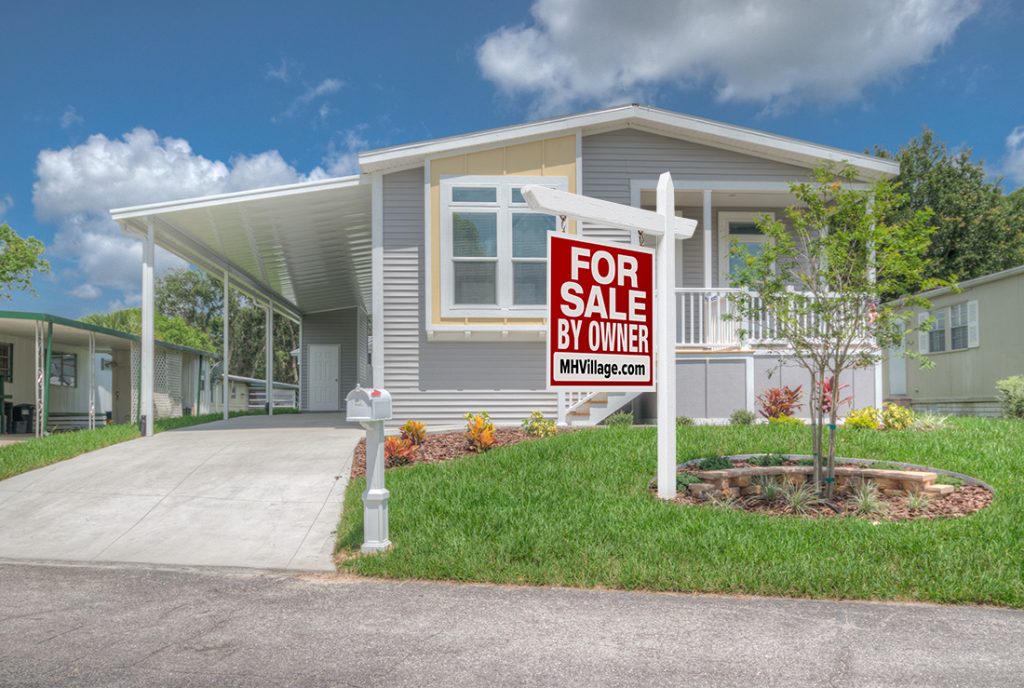
Image Source: resources.mhvillage.com
Preparing Your Mobile Home for Sale
Before you even think about listing your mobile home, it needs to be in the best possible condition. Buyers want to see a clean, well-maintained property.
Decluttering and Cleaning
This is the most crucial first step. Go through every room and remove anything you don’t use or need. Think about donating items, selling them, or simply discarding what’s no longer wanted. A tidy home feels much larger and more inviting.
- Kitchen: Clear countertops, clean appliances inside and out, organize cabinets.
- Bathrooms: Scrub everything, remove personal items from counters and showers.
- Bedrooms: Organize closets, make beds, and remove excess furniture.
- Living Areas: Remove personal photos and collections to help buyers envision themselves in the space.
After decluttering, give your home a thorough cleaning. Windows, floors, walls, and fixtures should all sparkle.
Making Minor Repairs
Small issues can make a big difference to a potential buyer. Address any problems that are easily fixable.
- Leaky faucets: Fix them.
- Peeling paint: Touch it up.
- Loose doorknobs: Tighten them.
- Cracked tiles: Replace or repair them.
- Damaged screens: Mend or replace them.
These minor fixes show buyers that the home has been cared for.
Curb Appeal Matters
The first impression is often made before a buyer even steps inside. Focus on making the exterior attractive.
- Landscaping: Mow the lawn, trim bushes, and plant some colorful flowers.
- Exterior cleaning: Wash siding and clean gutters.
- Porch/Deck: Sweep, repair any loose boards, and add a welcome mat.
- Entrance: Ensure the front door is freshly painted or cleaned.
A welcoming exterior draws buyers in.
Pricing Your Mobile Home Correctly
Setting the right price is key to selling fast. Too high, and buyers won’t consider it; too low, and you’ll lose money.
Getting a Mobile Home Appraisal
A professional mobile home appraisal can give you an objective valuation of your property. An appraiser will consider the home’s condition, features, location, and recent sales of similar homes in the area. This provides a solid basis for your asking price.
Researching Local Market Prices
Look at comparable mobile homes for sale or recently sold in your area. Websites and local real estate listings can be helpful resources. Consider factors like age, size, condition, and any upgrades.
Factors Affecting Price
- Location: Is it in a desirable community or on private land?
- Age and condition: Newer homes in good repair command higher prices.
- Size and features: Number of bedrooms, bathrooms, lot size, and any special amenities.
- Upgrades: Recent renovations, new appliances, or modern finishes.
- Land ownership: If you own the land, it adds value. If it’s on rented land in a park, the monthly lot rent is a factor.
Marketing Your Mobile Home Effectively
Once your home is ready, it’s time to let people know it’s for sale. Smart marketing a mobile home will help you reach the right buyers.
Selling Mobile Home Privately
Selling mobile home privately means you handle all aspects yourself, from listing to closing. This can save you money on agent commissions.
- Create a compelling listing: Use high-quality photos and write a detailed, attractive description highlighting the best features.
- Use online platforms: List on websites like Zillow, Trulia, Facebook Marketplace, and specialized mobile home listing sites.
- Yard signs: A clear “For Sale” sign with your contact information is essential.
- Word of mouth: Let friends, family, and neighbors know your home is for sale.
Hiring a Mobile Home Real Estate Agent
A mobile home real estate agent can be a great asset, especially if you’re new to selling. They have experience in marketing, pricing, and navigating the sales process.
- Benefits: Agents have access to multiple listing services (MLS), professional marketing tools, and buyer networks. They also handle showings, negotiations, and paperwork.
- Costs: Agents charge a commission, usually a percentage of the sale price.
- Choosing an agent: Look for someone with experience selling mobile homes specifically, as they understand the unique aspects of this market.
Find a Mobile Home Buyer
Target your marketing efforts towards where potential buyers are looking.
- Online Classifieds: Beyond general real estate sites, look for forums or groups dedicated to mobile homes.
- Mobile Home Parks: If your home is in a park, inquire about their resident referral programs or if they can advertise your listing.
- Local Community Boards: Post flyers in local community centers, libraries, or grocery stores.
Showcasing Your Mobile Home
When potential buyers come to see your home, you want it to make a great impression.
Mobile Home Staging Tips
Mobile home staging tips can help buyers visualize themselves living in the space.
- Light and Bright: Open curtains and blinds to let in natural light.
- Neutral Decor: Remove overly personal items and bright colors. Neutral paint colors and minimal decor make it easier for buyers to project their own style.
- Furniture Arrangement: Ensure furniture is arranged to make rooms feel spacious and functional.
- Cleanliness: Make sure the home is spotless for every showing.
- Pleasant Scents: Avoid strong perfumes. A subtle, fresh scent like baked cookies or clean linen is best.
- Outdoor Living Space: If you have a deck or patio, make it inviting with a few chairs and a small table.
Handling Showings
- Be Prepared: Have all necessary information about the home readily available.
- Leave During Showings: Allow buyers to explore freely and discuss their thoughts openly with their agent or each other.
- Answer Questions Honestly: Be prepared to answer questions about the home’s history, features, and any recent work done.
Navigating Offers and Negotiations
Once you receive an offer, it’s time to evaluate and negotiate.
Reviewing Offers
Consider not just the price but also the terms of the offer.
- Sale Price: The amount the buyer is offering.
- Financing: How the buyer plans to pay (cash, loan, etc.).
- Contingencies: Conditions that must be met before the sale closes (e.g., financing contingency, inspection contingency).
- Closing Date: When the buyer wants to complete the sale.
Negotiation Strategies
- Know Your Bottom Line: Decide on the lowest price you’re willing to accept and the terms you’re firm on.
- Be Responsive: Promptly respond to offers and counteroffers.
- Consider All Terms: Sometimes a slightly lower offer with fewer contingencies can be more attractive.
Understanding Mobile Home Financing Options
Buyers often need assistance with financing, especially for mobile homes. Being aware of common mobile home financing options can help you understand potential buyer situations.
Common Financing Methods
- Personal Loans: Some buyers use unsecured personal loans.
- Home Equity Loans: If the buyer owns their current home, they might use its equity.
- Manufactured Home Loans: Specific loans are available for manufactured homes, often requiring certain age and condition standards.
- Park Financing: Some mobile home parks have relationships with lenders who specialize in financing homes within their communities.
- Cash Offers: These are the simplest but often less common.
What is a Chattel Loan?
A chattel loan is a type of loan used to finance personal property, including mobile homes that are not permanently attached to land owned by the buyer. If the mobile home is on rented land or in a park, it’s typically considered personal property and financed with a chattel loan. These loans can sometimes have higher interest rates than traditional mortgages.
Legal Requirements and Paperwork
Selling a mobile home involves specific legal steps to ensure a smooth and lawful transaction.
Legal Requirements Selling Mobile Home
The legal requirements selling mobile home vary by state and locality, but generally involve:
- Ownership Verification: Proving you legally own the mobile home.
- Title Transfer: Correctly transferring the title from you to the buyer.
- Lien Release: If there’s a loan on the home, ensuring it’s paid off and a lien release is obtained.
- Disclosure: Providing buyers with all necessary information about the home’s condition.
Mobile Home Disclosure Statement
A mobile home disclosure statement is a legally required document in most places. It details any known defects or issues with the property that could affect its value or desirability. Honesty here protects you from future liability.
- What to disclose: This can include known problems with plumbing, electrical systems, roofing, foundation, appliances, pest infestations, or environmental hazards like lead paint or asbestos.
- Importance: Failing to disclose known issues can lead to legal trouble after the sale.
Mobile Home Title Transfer
The mobile home title transfer process is critical. The title is like the deed to a traditional house, proving ownership.
- Locating the Title: You’ll need the original title. If it’s lost, you’ll need to apply for a duplicate from the relevant state agency (often the Department of Motor Vehicles or Housing).
- Completing the Title: Both the seller and buyer must sign the title, along with any other required information.
- Sales Contract: A bill of sale or sales contract should accompany the title.
- Registration: The buyer will typically need to register the home and pay any applicable taxes or fees.
- Lien Release: If there was a loan on the home, the lender must sign off on the title to release the lien.
The Closing Process
The closing is the final stage where ownership is officially transferred.
What Happens at Closing?
- Review and Sign Documents: All parties review and sign the necessary paperwork, including the title transfer, sales contract, and any loan documents.
- Payment Exchange: The buyer provides the payment (or loan funds are disbursed), and you receive your money.
- Key Handover: Once everything is signed and paid, you hand over the keys to the new owner.
What is a Mobile Home Bill of Sale?
A mobile home bill of sale is a crucial document for the closing process. It serves as a receipt and legal record of the sale, outlining the details of the transaction.
- Key Information: It should include the date of sale, names and addresses of the buyer and seller, the mobile home’s make, model, year, and Vehicle Identification Number (VIN) or serial number, the sale price, and a statement that the mobile home is being sold “as-is” (if applicable).
- Purpose: It protects both parties by clearly defining the terms of the sale and providing proof of ownership transfer.
Selling Fast: Strategies and Considerations
If speed is your priority, certain tactics can accelerate the process.
Cash Offers
Accepting a cash offer can significantly speed up the closing process, as it eliminates the need for buyer financing contingencies. However, cash offers may be lower than financed offers.
Pricing Aggressively
If you need to sell quickly, pricing your mobile home slightly below market value can attract more buyers and lead to a faster sale.
Flexible with Terms
Being open to the buyer’s preferred closing date or other terms can make your property more attractive and lead to a quicker agreement.
Quick Sale Companies
Some companies specialize in buying mobile homes quickly, often for cash. While they may offer less than you could get on the open market, they provide an extremely fast and convenient sale.
Frequently Asked Questions (FAQ)
What if my mobile home is not on its own land?
If your mobile home is in a park or on land you don’t own, you can still sell it. However, the buyer will need to qualify with the park management for lot rental and potentially secure mobile home financing options that accommodate this. The sale often involves a mobile home title transfer and an assignment of the lease for the lot.
Can I sell a mobile home “as-is”?
Yes, you can sell a mobile home “as-is.” This means the buyer accepts the home in its current condition, and you are not obligated to make any further repairs. However, you still must make necessary disclosures about any known issues. It’s advisable to have this clearly stated in your sales contract.
What are the taxes on selling a mobile home?
Taxes vary by state. You might owe capital gains tax on any profit made from the sale if it’s considered an investment. In some states, sales tax may also apply. It’s best to consult with a tax professional or your local tax authority for specific guidance.
How do I find a mobile home buyer for a home in a park?
To find a mobile home buyer for a home in a park, you’ll want to market within that community. Signs within the park, flyers on community bulletin boards, and letting park management know you’re selling are good first steps. Online platforms that allow targeting by location are also effective.
What is a mobile home real estate agent?
A mobile home real estate agent is a licensed real estate professional who specializes in the sale and purchase of manufactured and mobile homes. They understand the unique aspects of this market, including financing, park rules, and title transfer procedures.
By following these steps, you can navigate the process of selling your mobile home with confidence and aim for a fast and easy transaction. Good luck!